- Customer group: Guest
-


- Home

- Details
- More images
Products description
Cyamodus Placodont tooth – Unterohrn (Muschelkalk/Keuper)
Description:
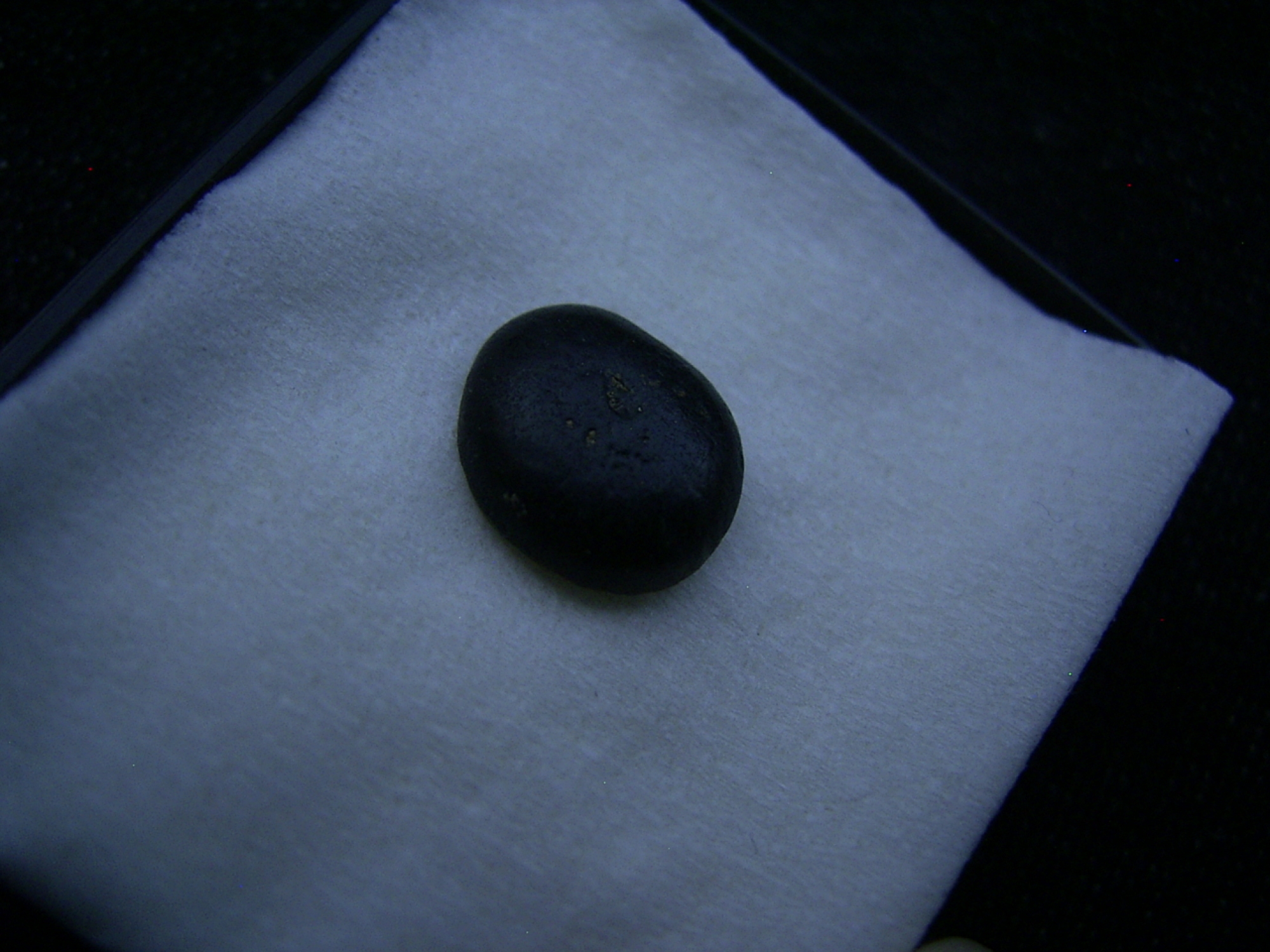
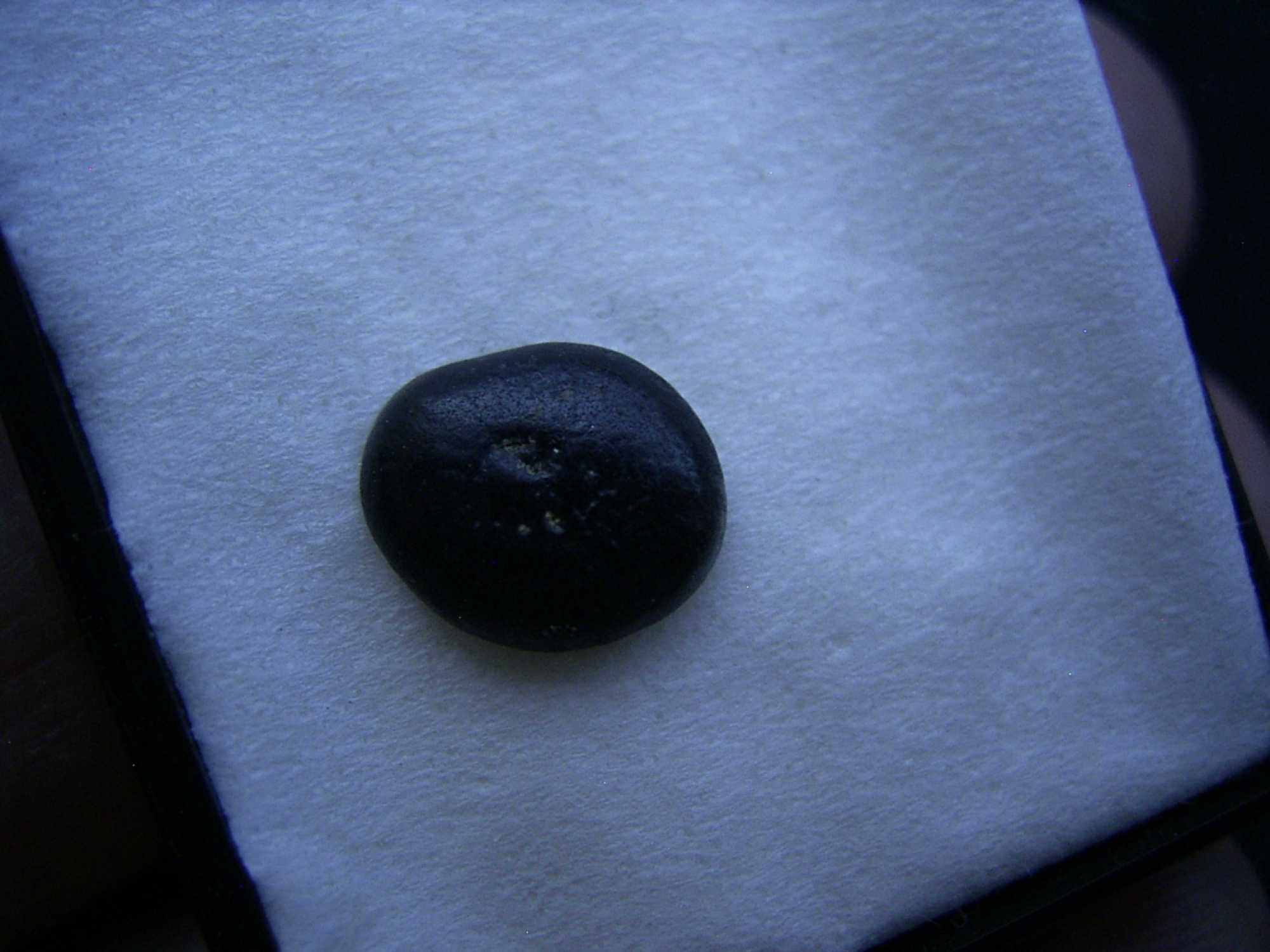
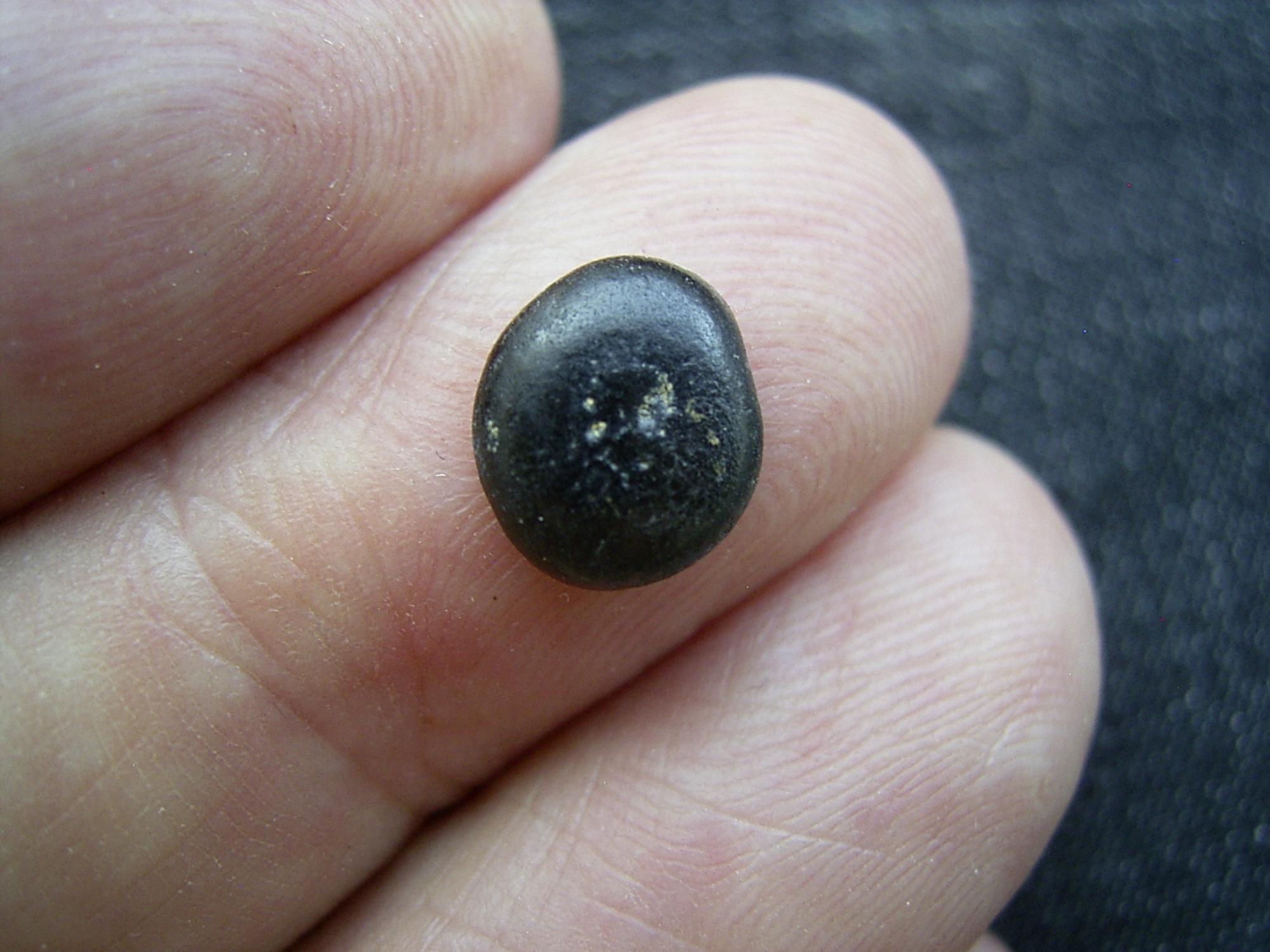
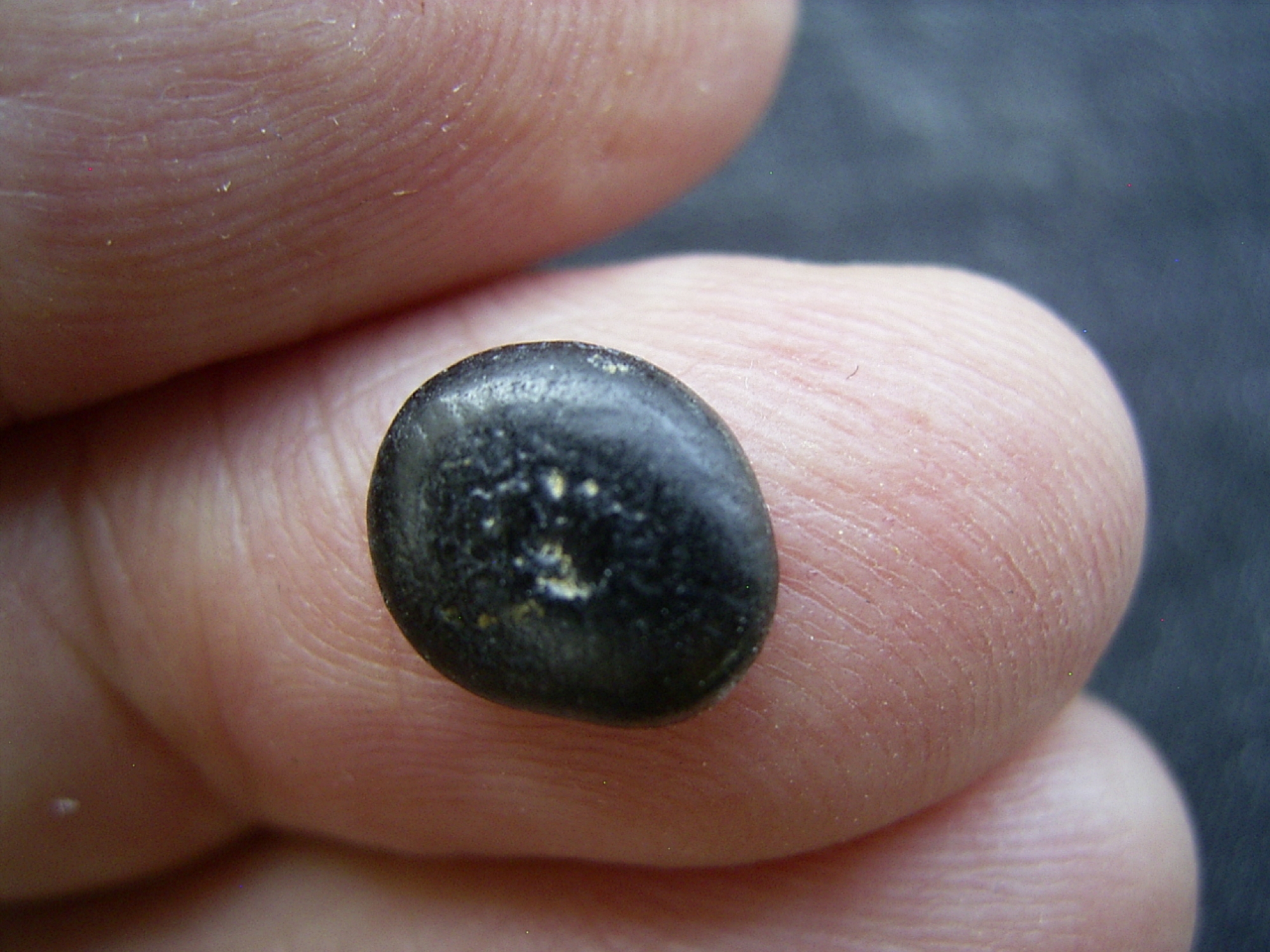
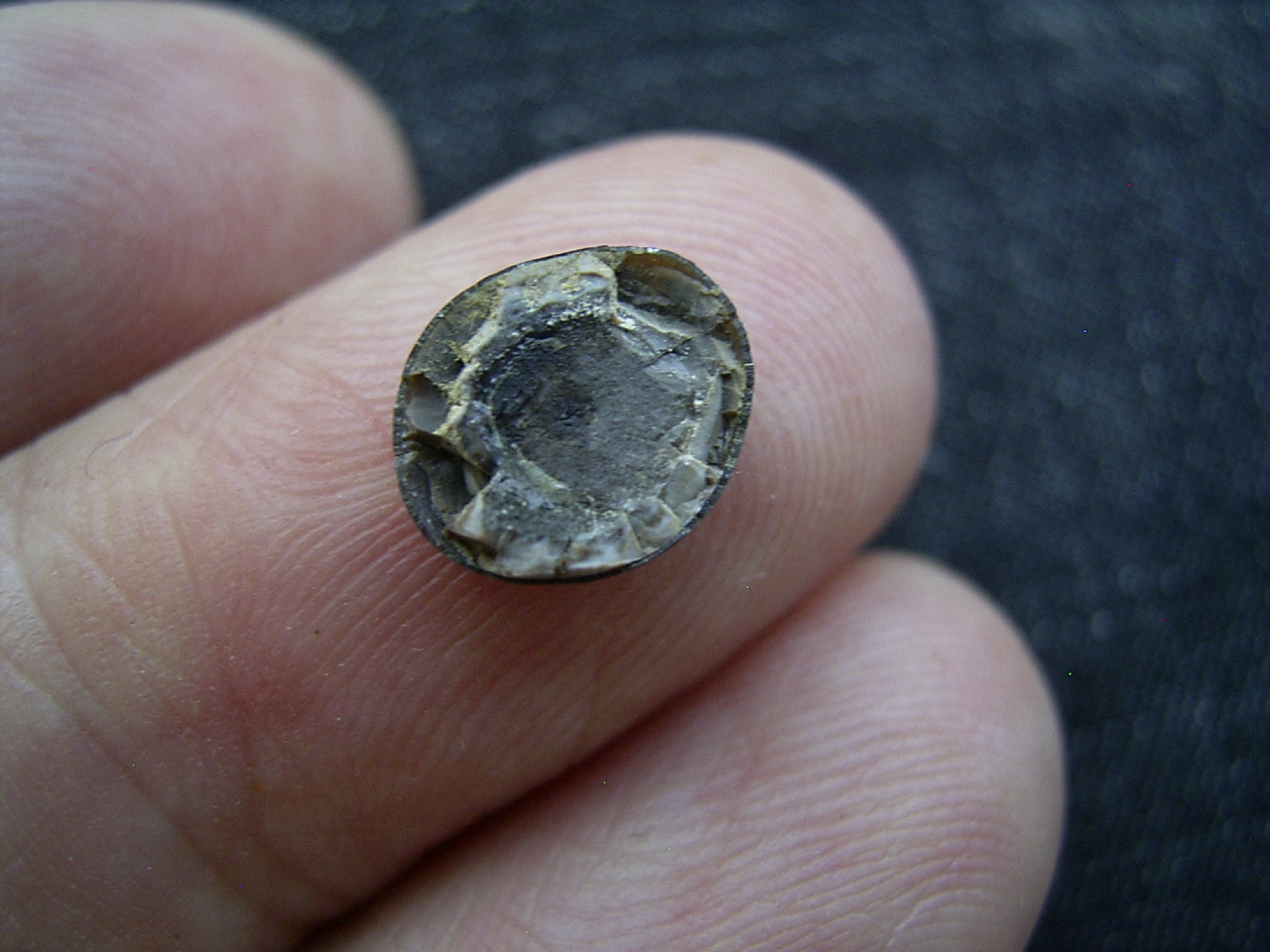
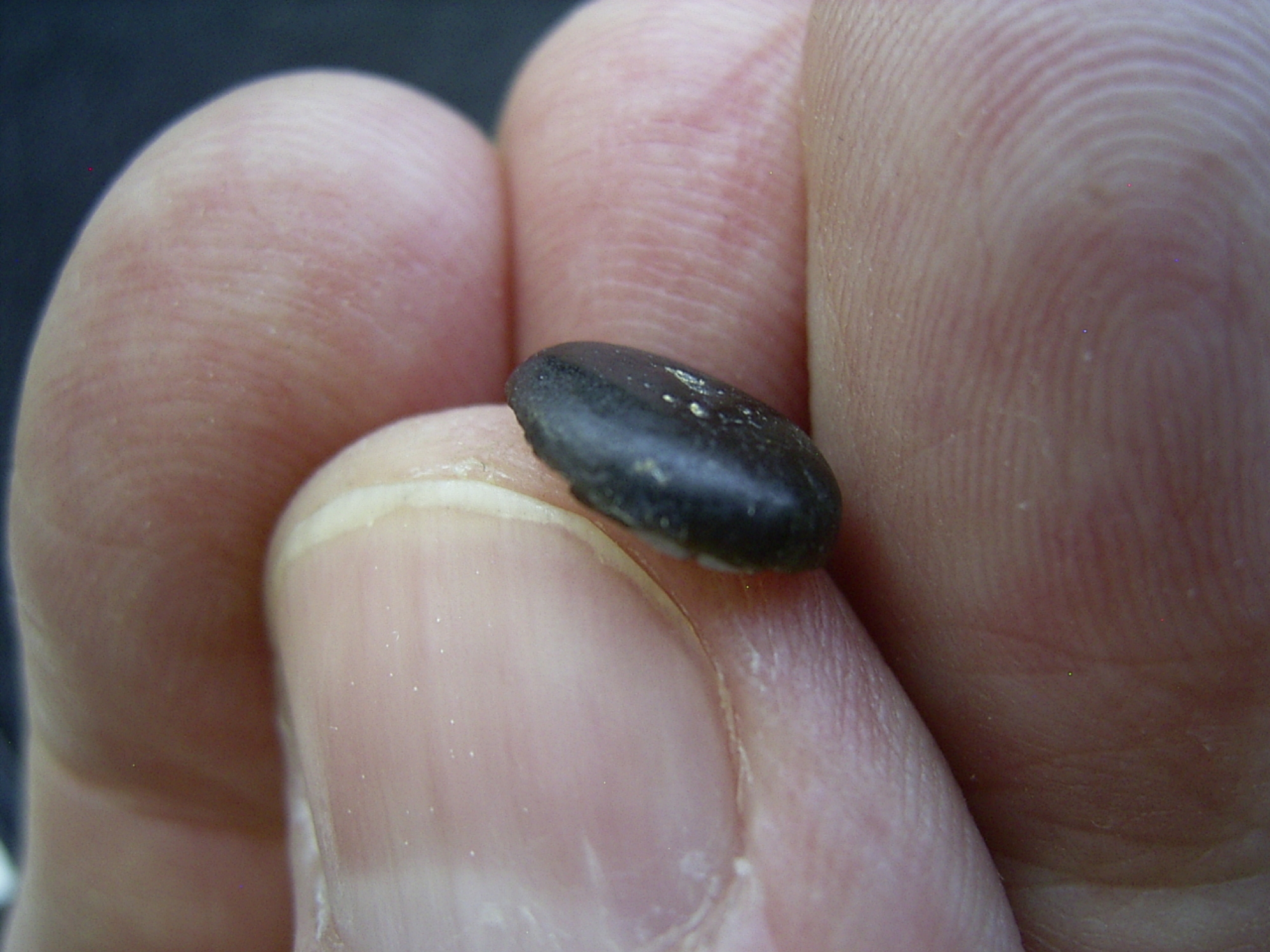
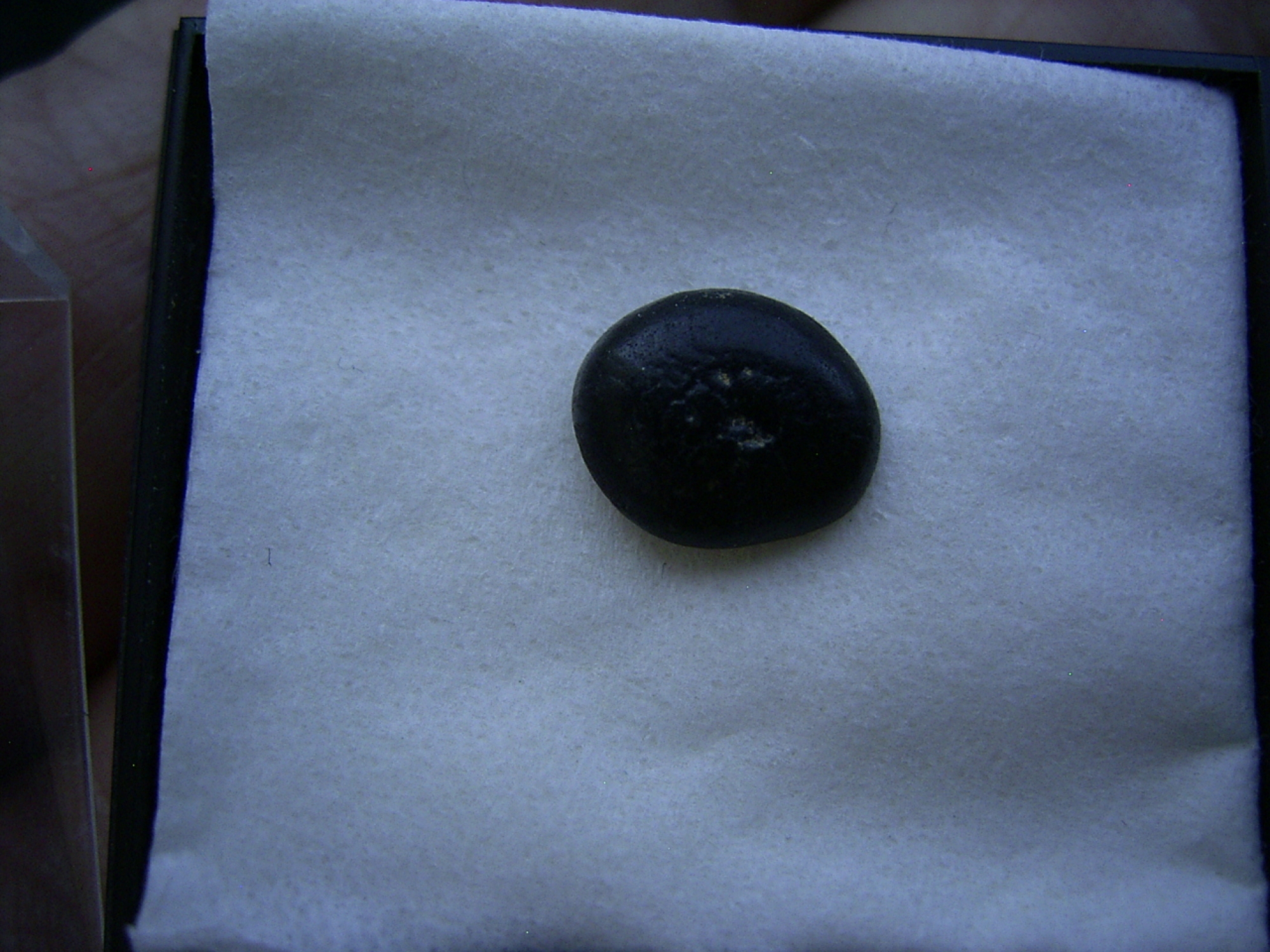
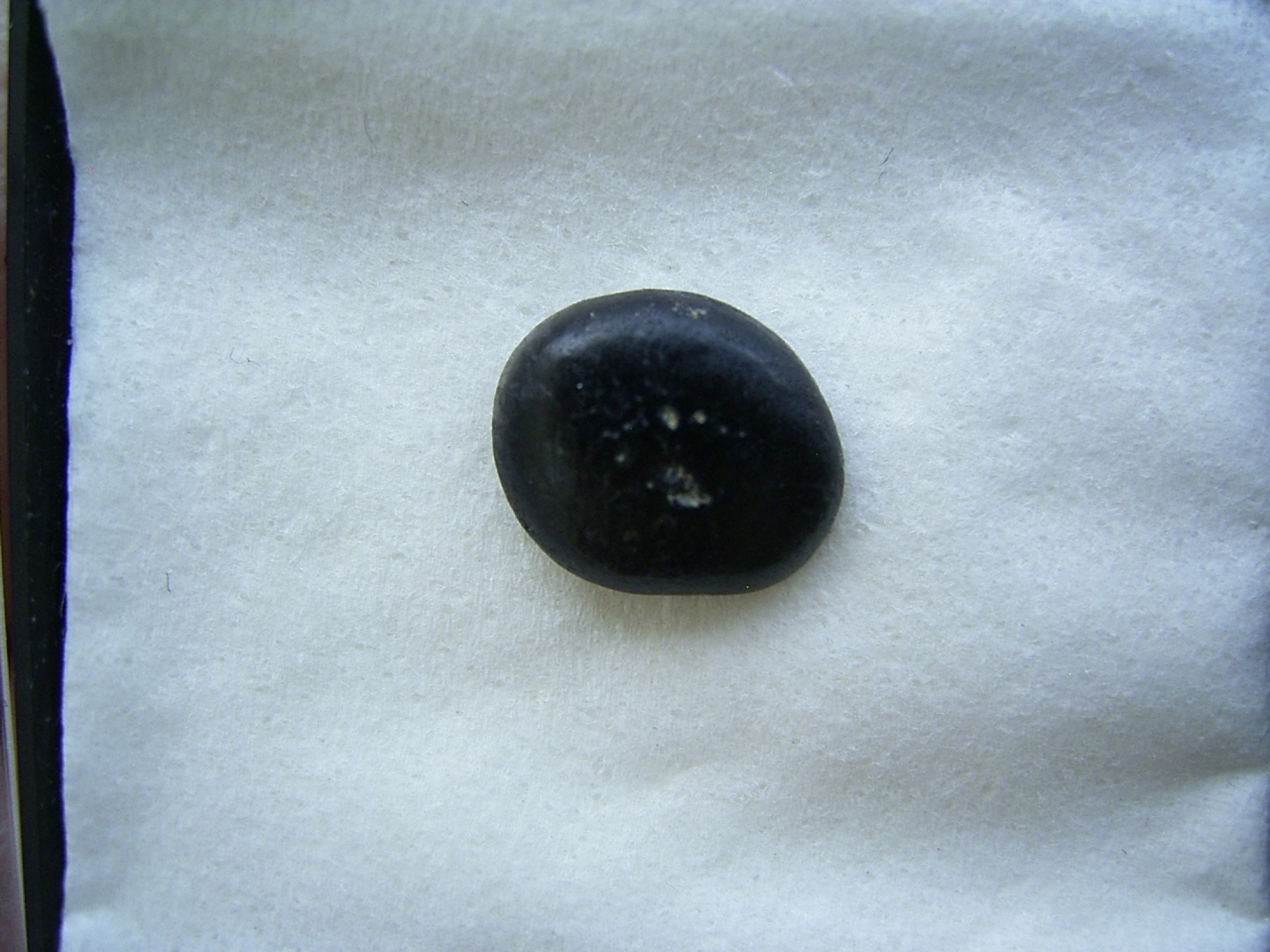
For sale is a true rarity for collectors of Triassic fauna: an excellently preserved, isolated tooth of the prehistoric pavement-tooth reptile Cyamodus.
This piece comes from a classic and well-known locality: the boundary from the Upper Muschelkalk to the Lower Keuper of Unterohrn near Oehringen (Baden-Wuerttemberg, Germany).
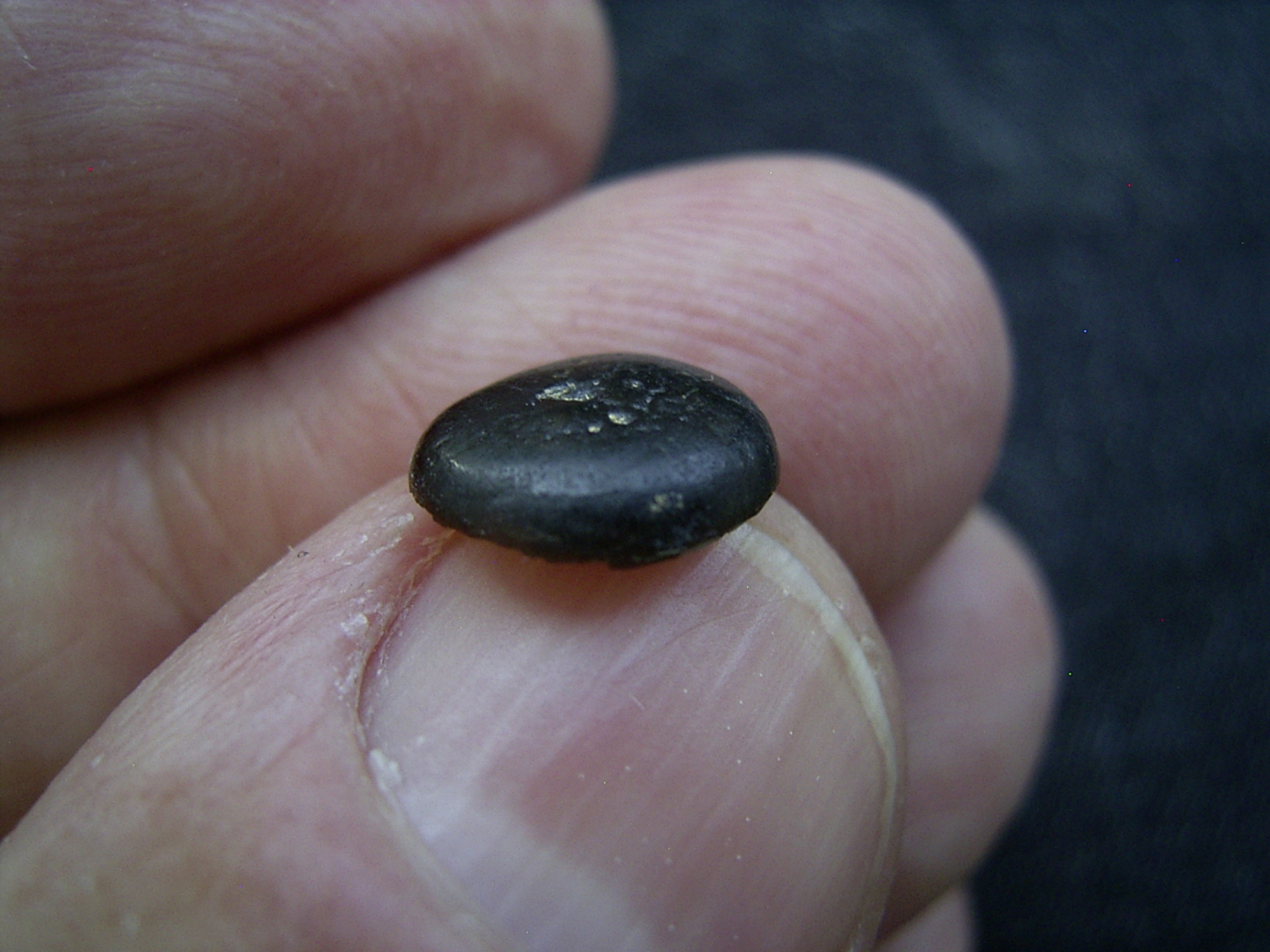
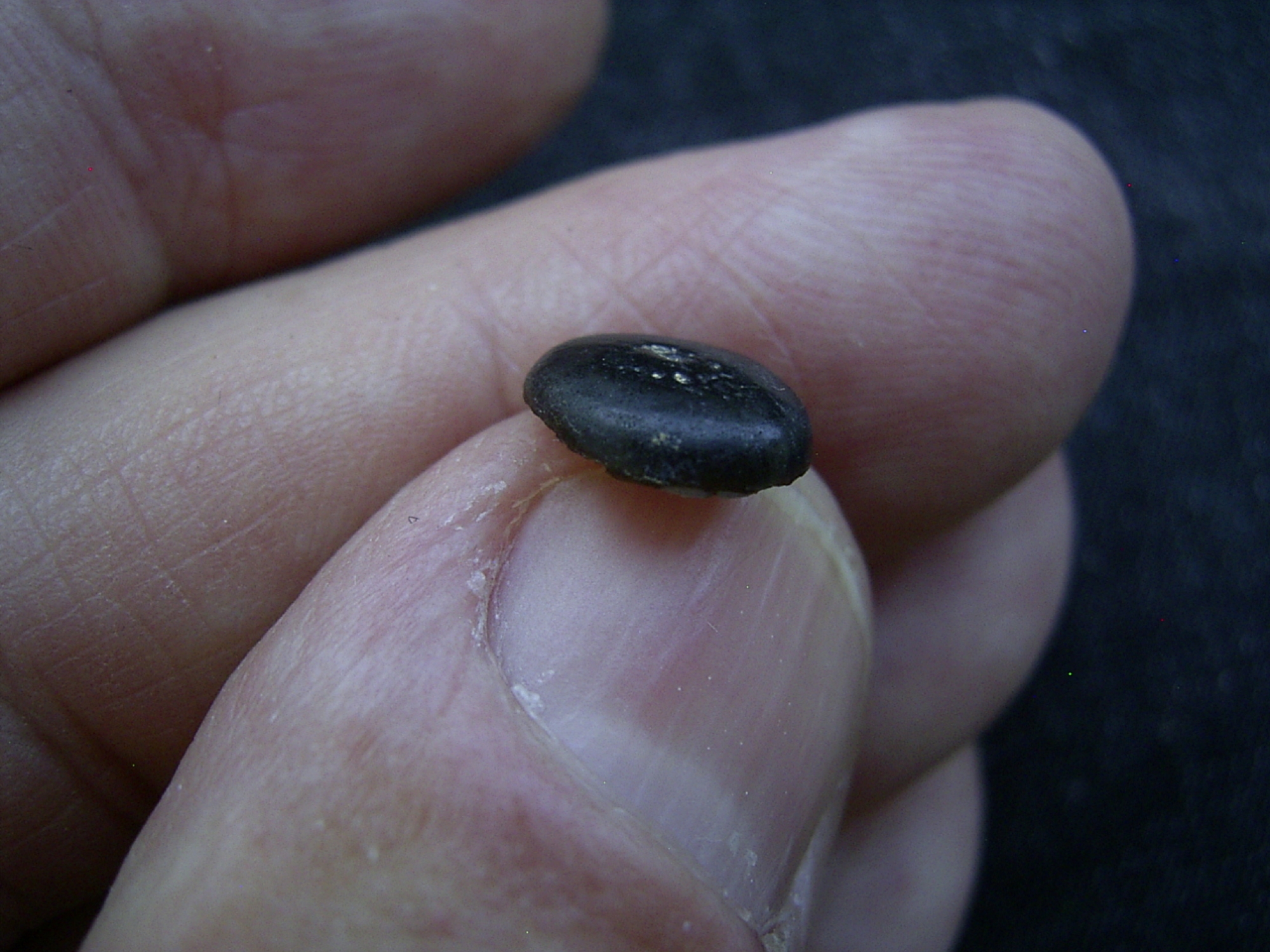
The tooth is characterized by its original, characteristic shape. The fossil is unbroken; it shows a very beautiful preservation of the fossil tooth enamel.
Background information on Cyamodus (Placodontia):
- The animal: Cyamodus belonged to the group of placodonts (pavement-tooth reptiles). These were marine reptiles of the Triassic period, which visually strongly resembled modern sea turtles and possessed a flat, heavily armored body.
- The tooth peculiarity: The name pavement-tooth reptile comes from the unique dentition. In the jaw, the animal possessed wide, flat, and extremely thick tooth plates. With these massive tools, Cyamodus cracked open the hard shells of mussels, brachiopods, and crabs on the seabed. This isolated tooth shows precisely this flat, extremely robust structure.
- Age & Habitat: Middle to Upper Triassic (approx. 240 to 235 million years ago). The animal lived in the shallow, warm Germanic Basin, which covered large parts of Central Europe at that time.
Highlights of this collector's item:
- Originality: Absolutely honest, unbroken, not glued, and without any additions or painting.
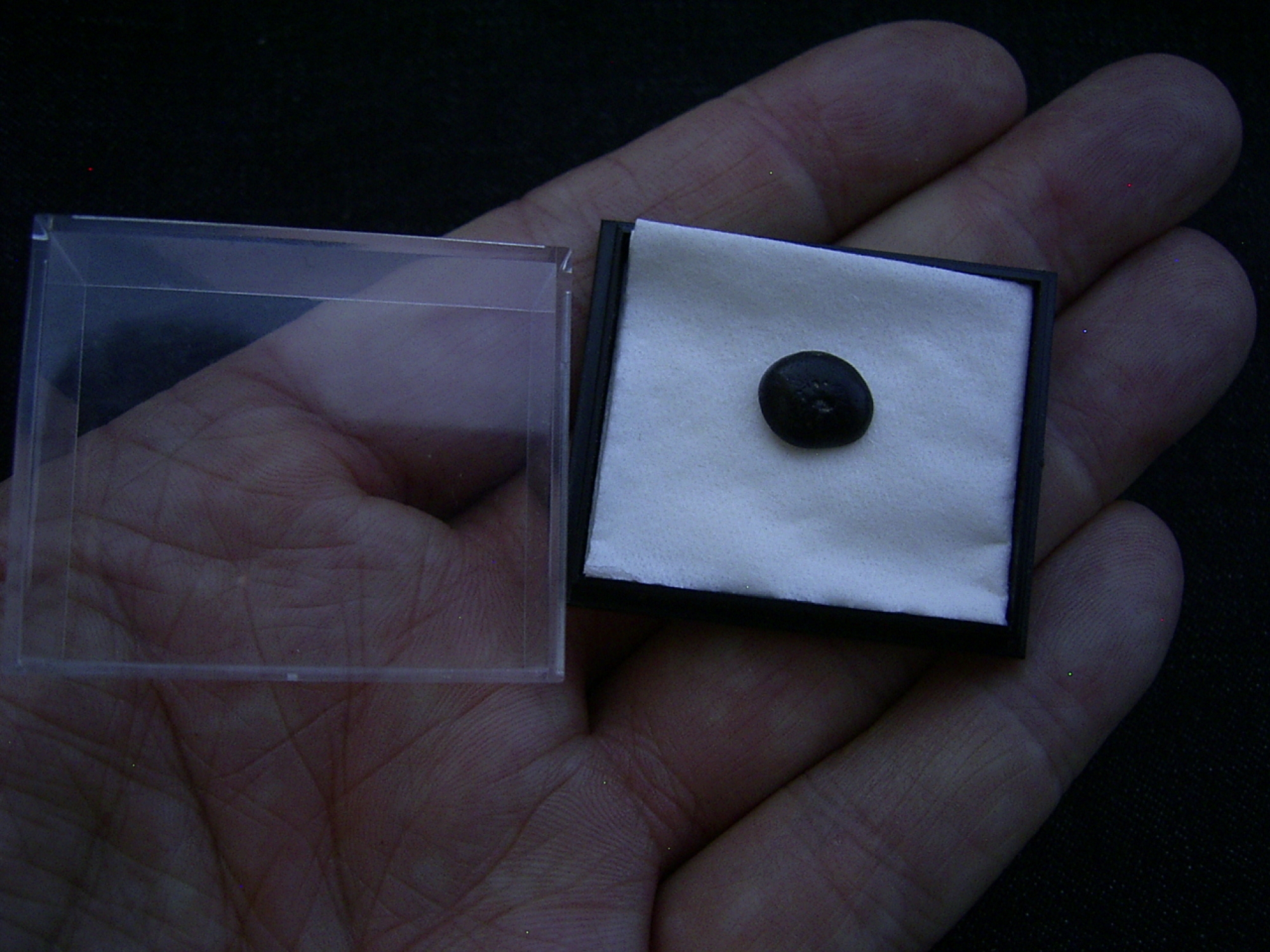
- Size: The tooth measures approx. 1 cm.
- Locality value: Unterohrn near Oehringen is famous in paleontology for finds from the Grenzdolomit. Since it is hardly possible to obtain new material there today, undamaged reptile teeth from this region are rare, historic collector's items and a solid investment.
Why are such finds so extremely rare?
- Low fossil density: Pavement-tooth reptiles like Cyamodus stood as larger marine reptiles at the top of the food chain. For every single reptile, there were millions of mussels and other invertebrates. Accordingly, their fossil remains are rare compared to normal Muschelkalk fossils.
- The Grenzdolomit window: The locality Unterohrn is known for the so-called Grenzdolomit. This layer documents a very specific, short geological period of time during the transition from the open sea (Muschelkalk) to a silting coastal landscape (Keuper). The teeth were deposited only within this narrow time window.
- Loss due to prehistoric surf: Since Cyamodus lived in shallow water near the coast, deceased animals were usually completely smashed by the strong surf and wave action. The fact that a single tooth survives the millions of years completely unbroken and without signs of rolling is a lucky coincidence.
- Disappearance of the localities: The classic outcrops, quarries, and construction sites around Oehringen and Unterohrn, which provided these finds in past decades, are today almost all closed, renatured, or built over. New material is virtually no longer coming in.
- The preparation factor: Due to the small size of only 1 cm, such teeth are simply overlooked in the rock during normal quarrying or searching in the field. It requires years of experience and eagle eyes to detect such a piece in the quarry at all.
The comparison: Cyamodus vs. Nothosaurus
- Frequency in the find area: Anyone looking for reptiles in the Germanic Muschelkalk finds remains of Nothosaurus in 90 percent of cases. Their pointed, long fangs as well as bone fragments count among the regular finds in certain layers. A tooth of Cyamodus, on the other hand, is an absolute stroke of luck that is often denied even to long-time collectors in their careers.
- Different population size: Nothosaurus was the dominating, highly efficient fish hunter of that epoch. The animals occurred in large numbers. Cyamodus, on the other hand, was a highly specialized loner of the seabed. Its population density was naturally significantly lower.
- Robustness of the teeth: The long, pointed teeth of Nothosaurus broke off constantly in the everyday life of the animals and were regularly replaced. As a result, vast amounts of these teeth were distributed in the sediment. The massive pavement-tooth plates of Cyamodus, on the other hand, were extremely firmly anchored in the jaw and rarely fell out during their lifetime. An isolated Cyamodus tooth therefore almost always comes from a deceased animal and not from shed teeth.
- Collector desirability: While almost every well-sorted Triassic collection contains several Nothosaurus teeth, an undamaged Cyamodus tooth is considered a true status factor and a valuable enrichment for specialized collections in collector circles.
We deliver this fossil inside a small plastic box.
We have only this one tooth of Cyamodus, do not miss this opportunity.
SOLD
Description:
For sale is a true rarity for collectors of Triassic fauna: an excellently preserved, isolated tooth of the prehistoric pavement-tooth reptile Cyamodus.
This piece comes from a classic and well-known locality: the boundary from the Upper Muschelkalk to the Lower Keuper of Unterohrn near Oehringen (Baden-Wuerttemberg, Germany).
The tooth is characterized by its original, characteristic shape. The fossil is unbroken; it shows a very beautiful preservation of the fossil tooth enamel.
Background information on Cyamodus (Placodontia):
- The animal: Cyamodus belonged to the group of placodonts (pavement-tooth reptiles). These were marine reptiles of the Triassic period, which visually strongly resembled modern sea turtles and possessed a flat, heavily armored body.
- The tooth peculiarity: The name pavement-tooth reptile comes from the unique dentition. In the jaw, the animal possessed wide, flat, and extremely thick tooth plates. With these massive tools, Cyamodus cracked open the hard shells of mussels, brachiopods, and crabs on the seabed. This isolated tooth shows precisely this flat, extremely robust structure.
- Age & Habitat: Middle to Upper Triassic (approx. 240 to 235 million years ago). The animal lived in the shallow, warm Germanic Basin, which covered large parts of Central Europe at that time.
Highlights of this collector's item:
- Originality: Absolutely honest, unbroken, not glued, and without any additions or painting.
- Size: The tooth measures approx. 1 cm.
- Locality value: Unterohrn near Oehringen is famous in paleontology for finds from the Grenzdolomit. Since it is hardly possible to obtain new material there today, undamaged reptile teeth from this region are rare, historic collector's items and a solid investment.
Why are such finds so extremely rare?
- Low fossil density: Pavement-tooth reptiles like Cyamodus stood as larger marine reptiles at the top of the food chain. For every single reptile, there were millions of mussels and other invertebrates. Accordingly, their fossil remains are rare compared to normal Muschelkalk fossils.
- The Grenzdolomit window: The locality Unterohrn is known for the so-called Grenzdolomit. This layer documents a very specific, short geological period of time during the transition from the open sea (Muschelkalk) to a silting coastal landscape (Keuper). The teeth were deposited only within this narrow time window.
- Loss due to prehistoric surf: Since Cyamodus lived in shallow water near the coast, deceased animals were usually completely smashed by the strong surf and wave action. The fact that a single tooth survives the millions of years completely unbroken and without signs of rolling is a lucky coincidence.
- Disappearance of the localities: The classic outcrops, quarries, and construction sites around Oehringen and Unterohrn, which provided these finds in past decades, are today almost all closed, renatured, or built over. New material is virtually no longer coming in.
- The preparation factor: Due to the small size of only 1 cm, such teeth are simply overlooked in the rock during normal quarrying or searching in the field. It requires years of experience and eagle eyes to detect such a piece in the quarry at all.
The comparison: Cyamodus vs. Nothosaurus
- Frequency in the find area: Anyone looking for reptiles in the Germanic Muschelkalk finds remains of Nothosaurus in 90 percent of cases. Their pointed, long fangs as well as bone fragments count among the regular finds in certain layers. A tooth of Cyamodus, on the other hand, is an absolute stroke of luck that is often denied even to long-time collectors in their careers.
- Different population size: Nothosaurus was the dominating, highly efficient fish hunter of that epoch. The animals occurred in large numbers. Cyamodus, on the other hand, was a highly specialized loner of the seabed. Its population density was naturally significantly lower.
- Robustness of the teeth: The long, pointed teeth of Nothosaurus broke off constantly in the everyday life of the animals and were regularly replaced. As a result, vast amounts of these teeth were distributed in the sediment. The massive pavement-tooth plates of Cyamodus, on the other hand, were extremely firmly anchored in the jaw and rarely fell out during their lifetime. An isolated Cyamodus tooth therefore almost always comes from a deceased animal and not from shed teeth.
- Collector desirability: While almost every well-sorted Triassic collection contains several Nothosaurus teeth, an undamaged Cyamodus tooth is considered a true status factor and a valuable enrichment for specialized collections in collector circles.
We deliver this fossil inside a small plastic box.
We have only this one tooth of Cyamodus, do not miss this opportunity.
SOLD
Categories
Last viewed: