- Customer group: Guest
-


- Home

- Details
- More images
Products description
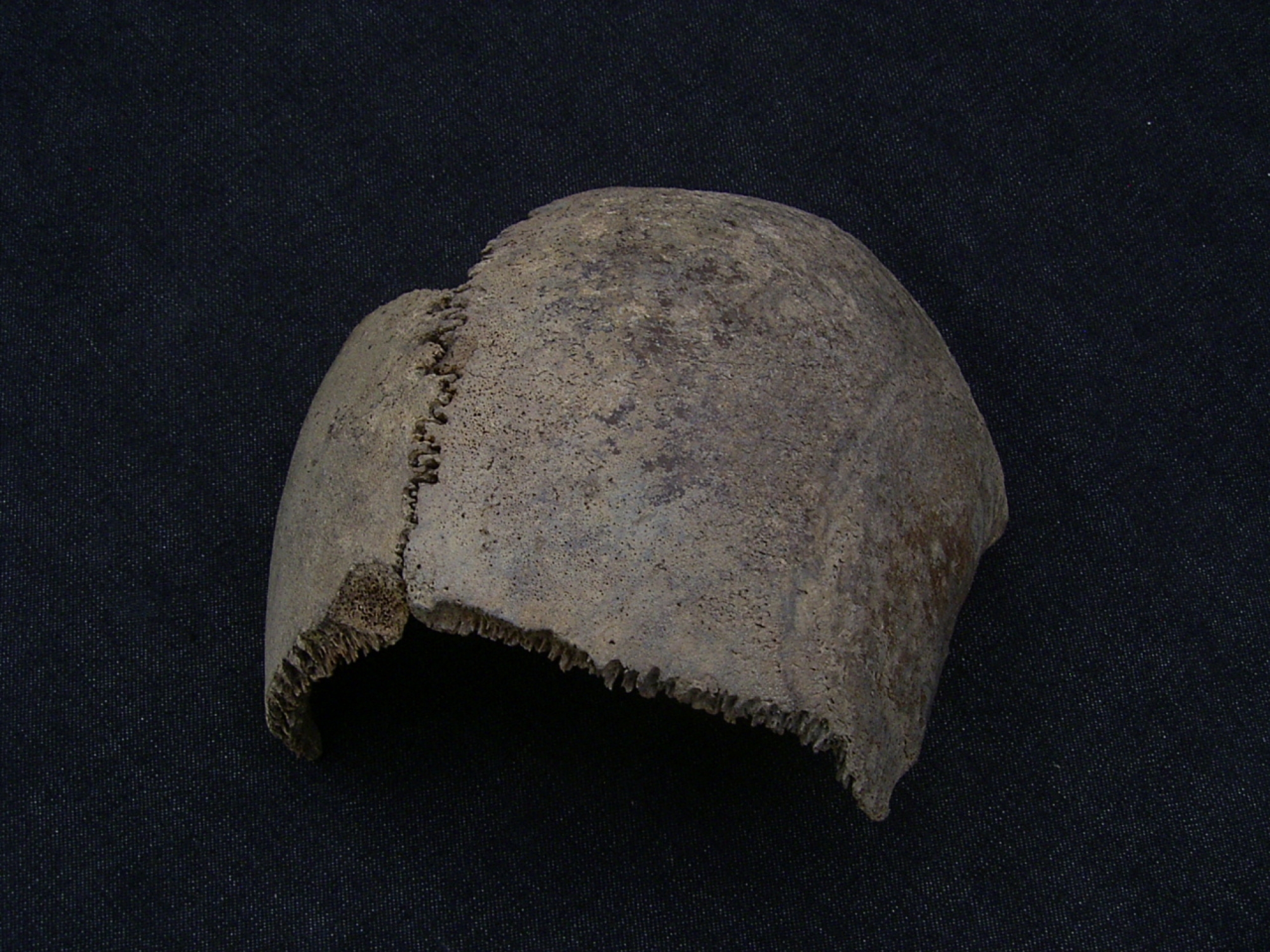
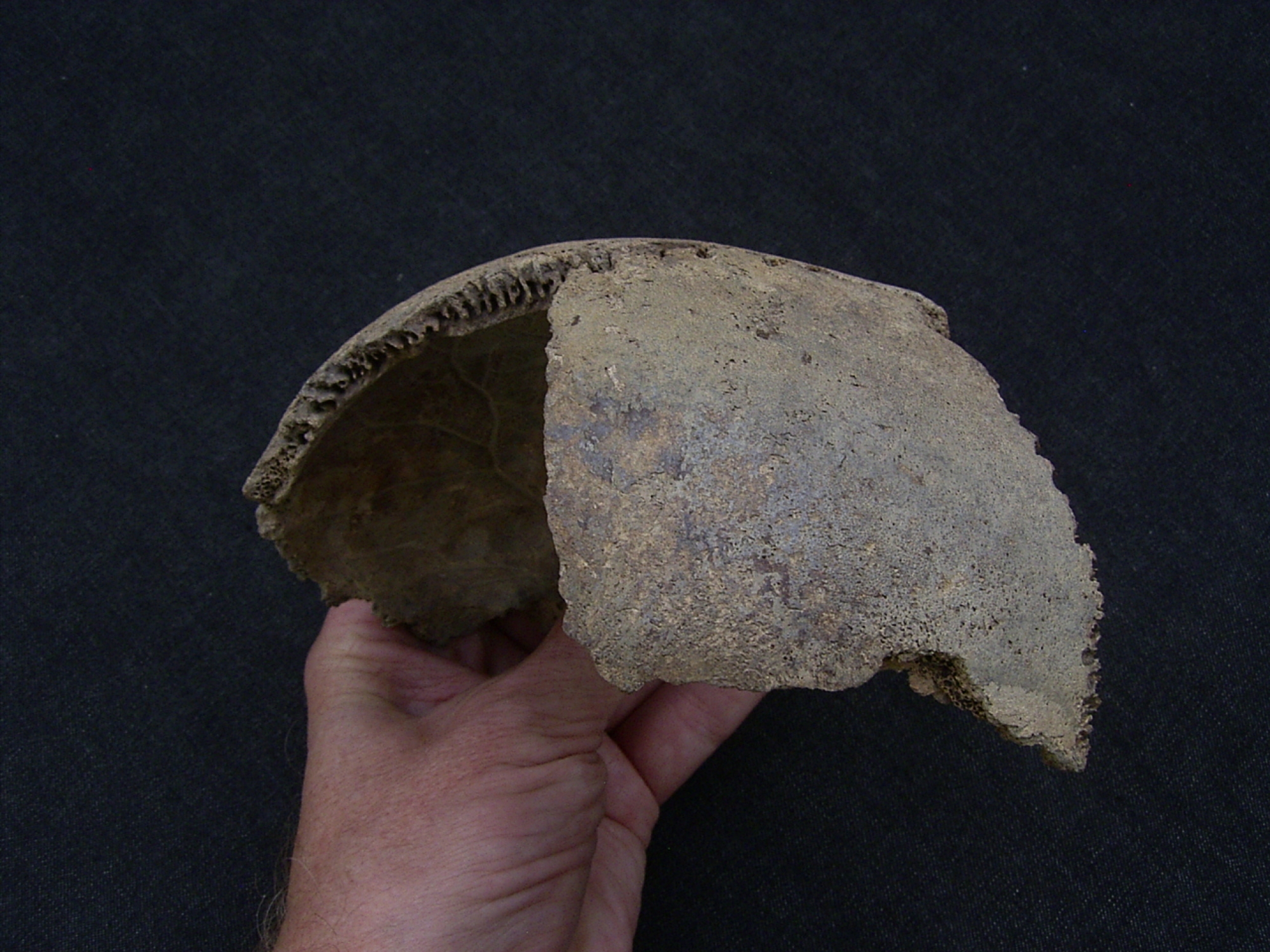
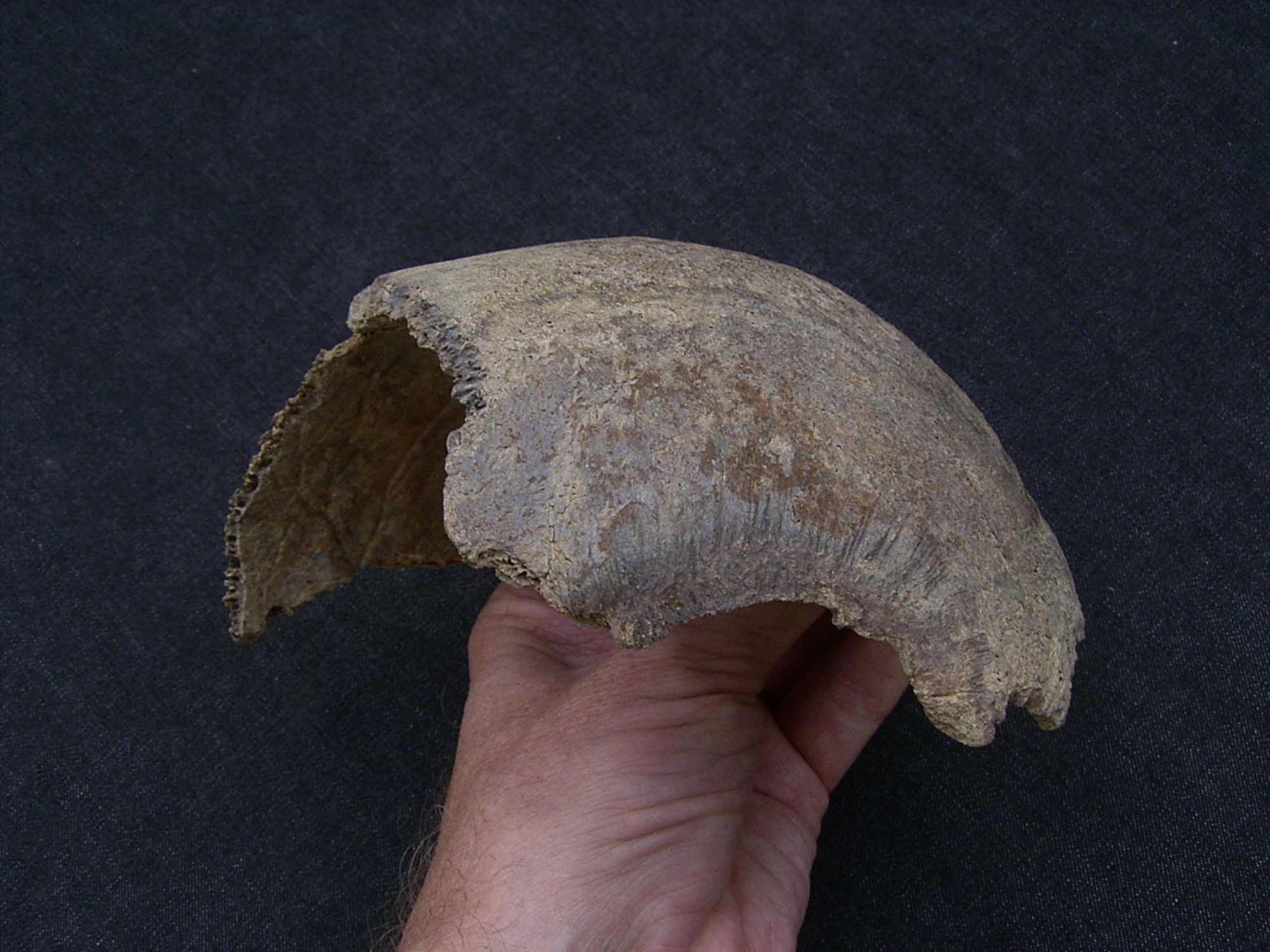
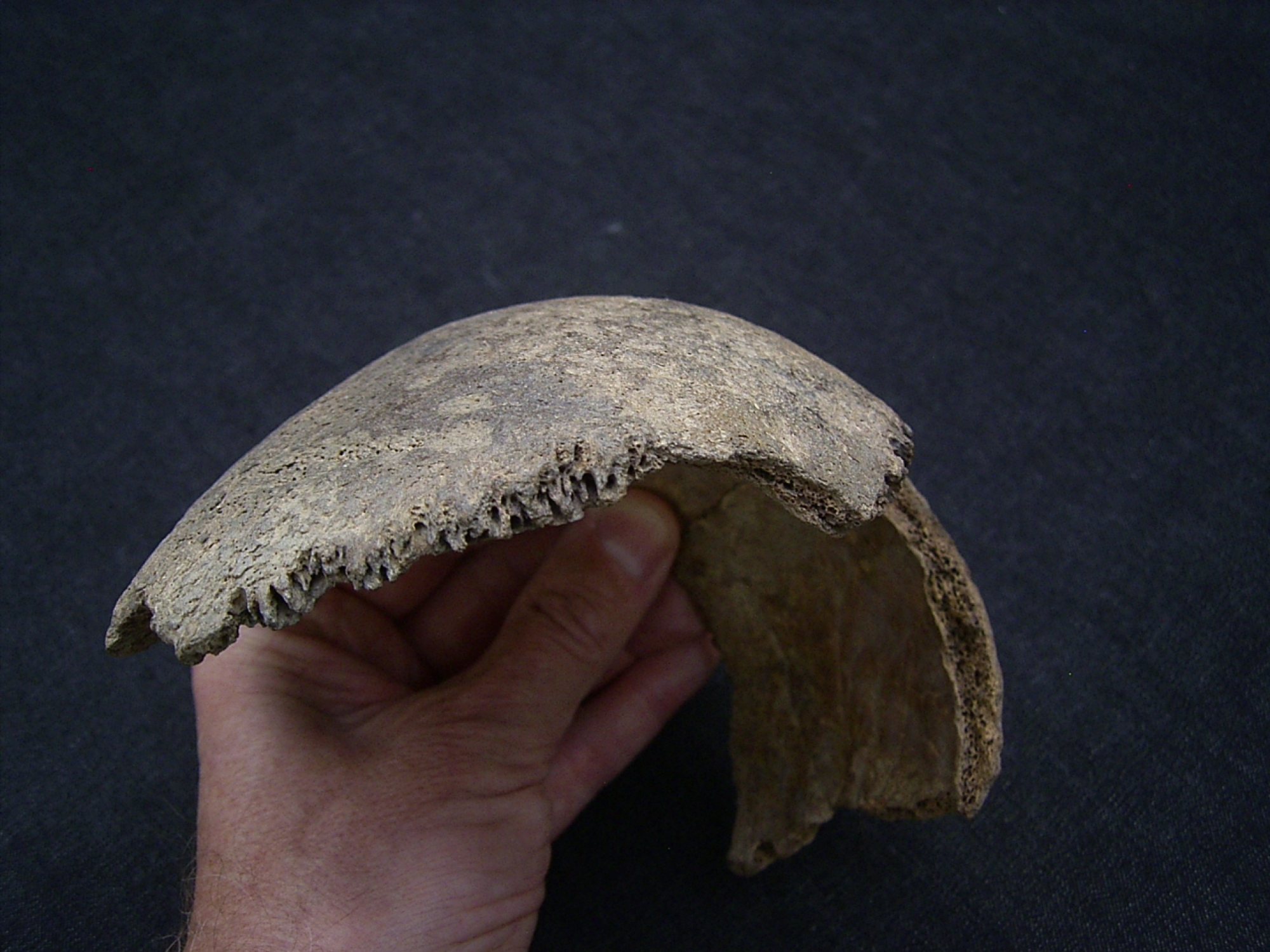
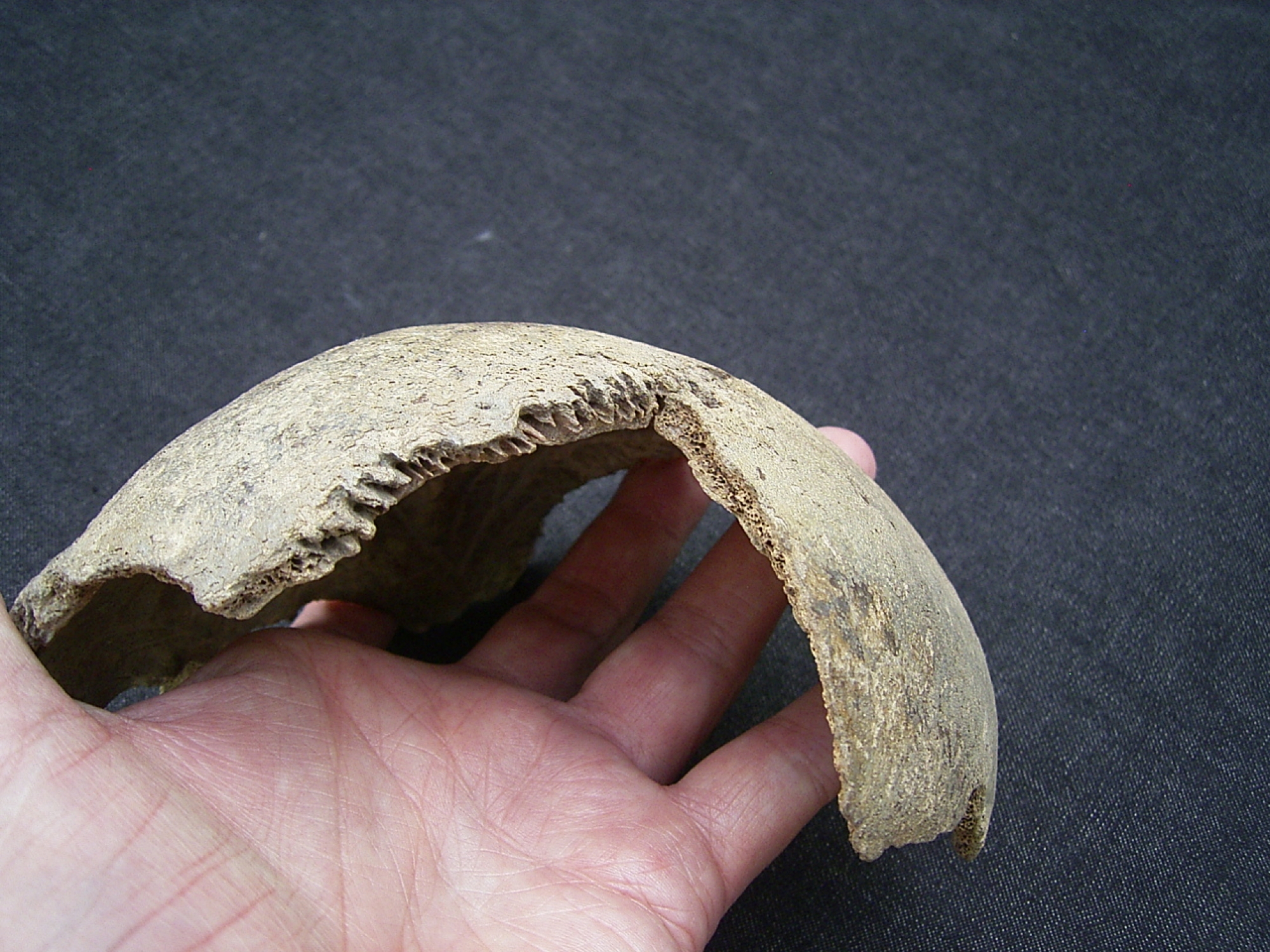
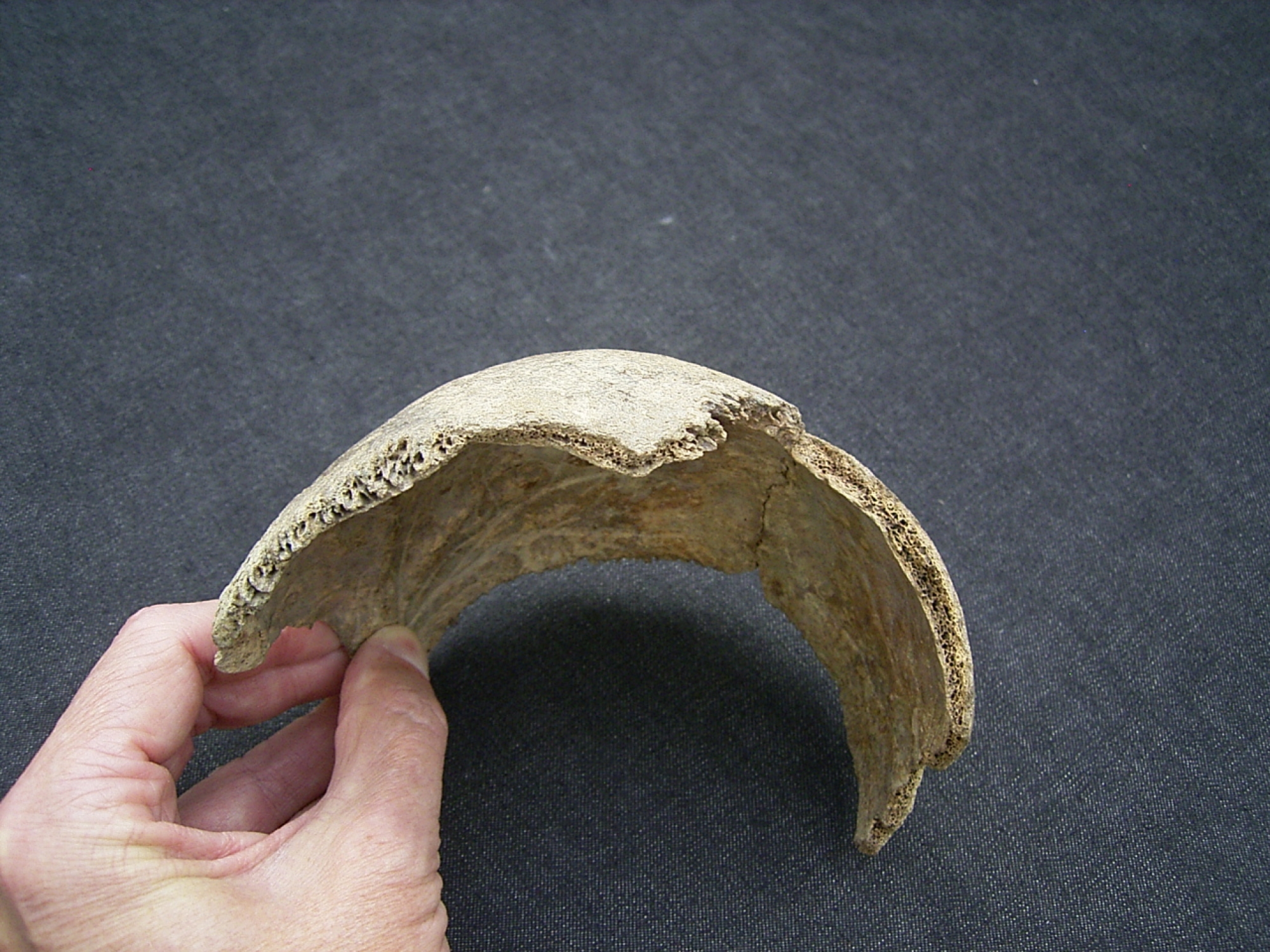
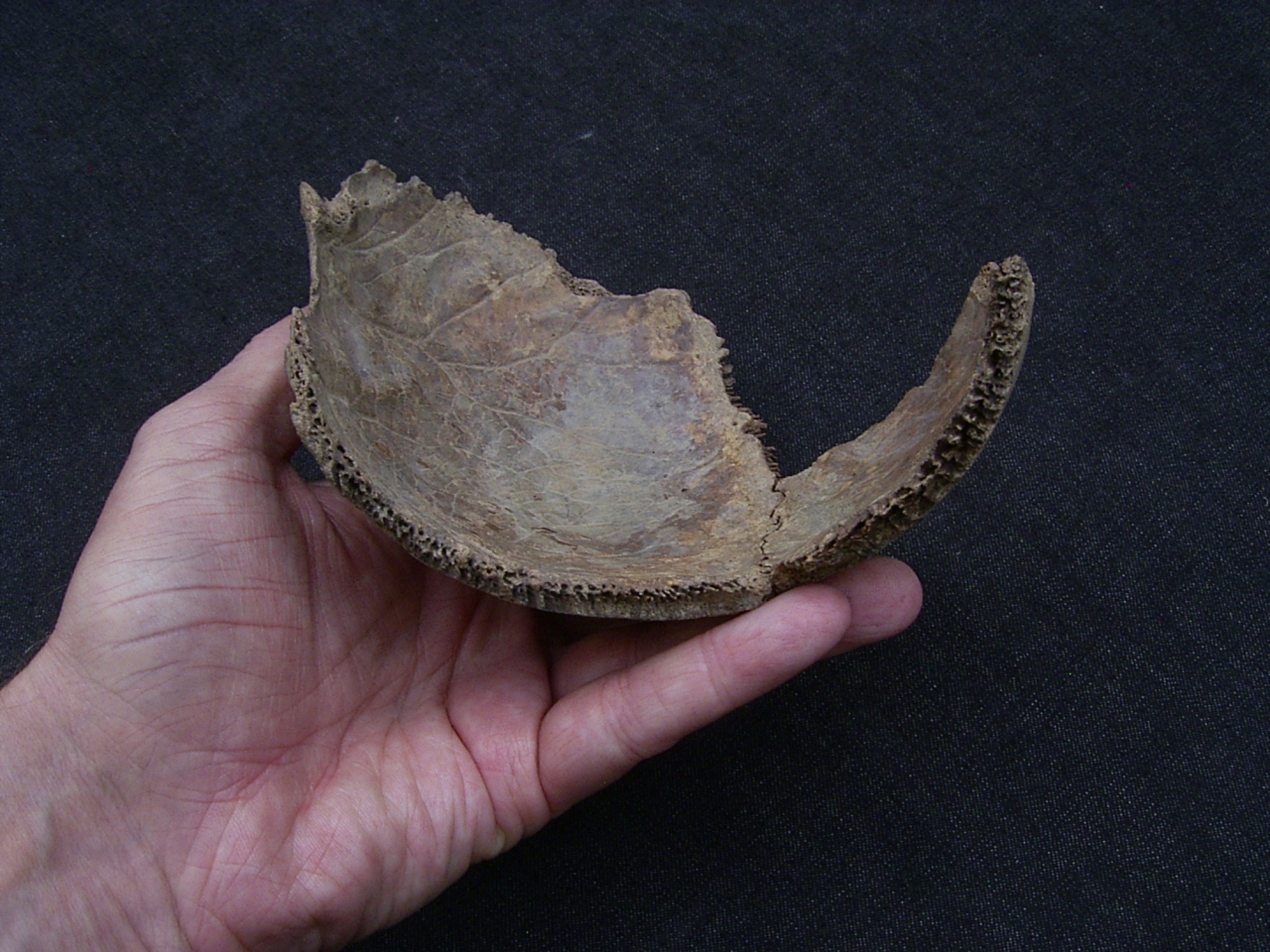
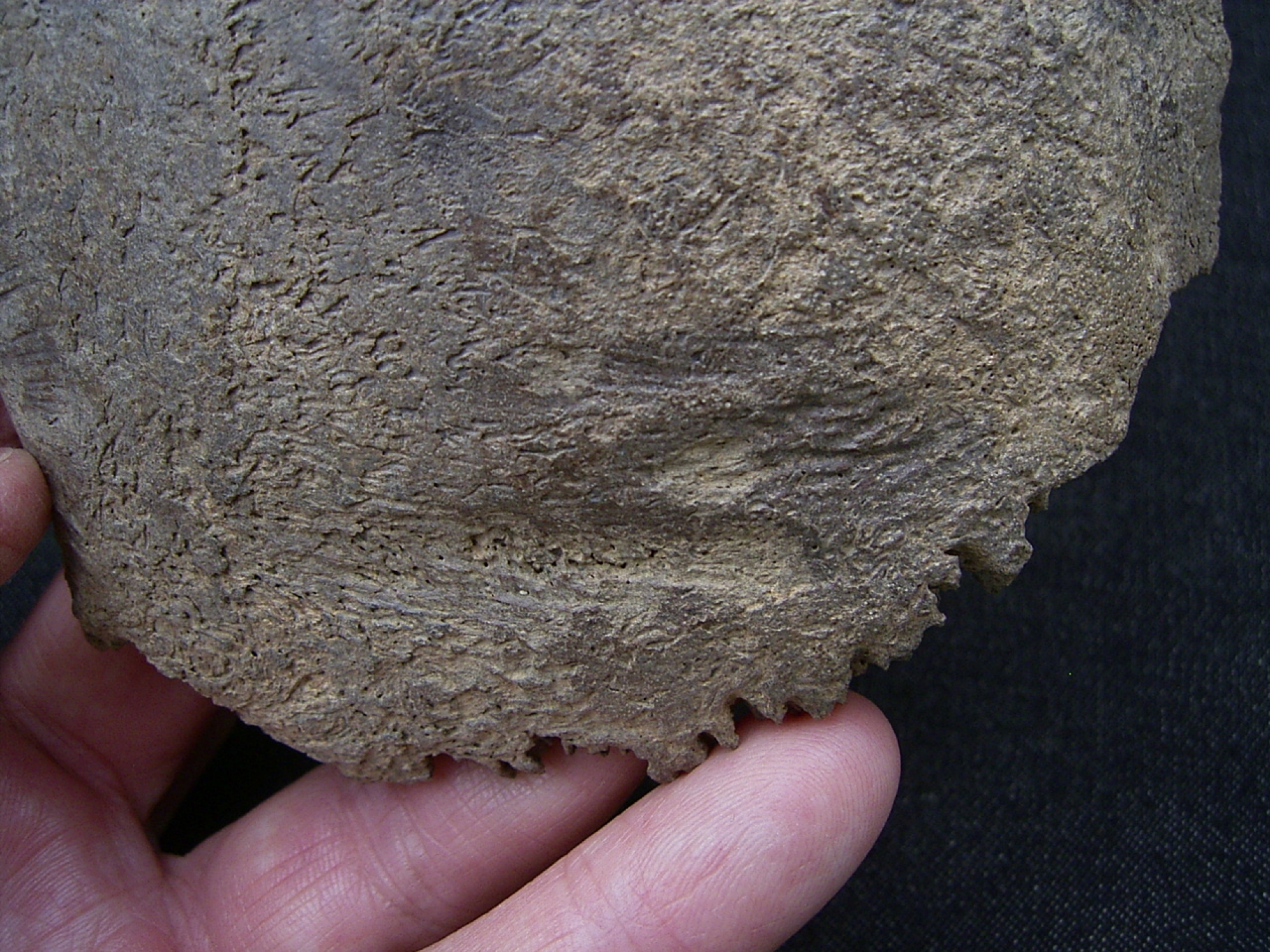
Here we offer you another special feature. It is a skull fragment of an early human.

The paleoanthropologist to whom we presented the piece was able to contribute these interesting informations:

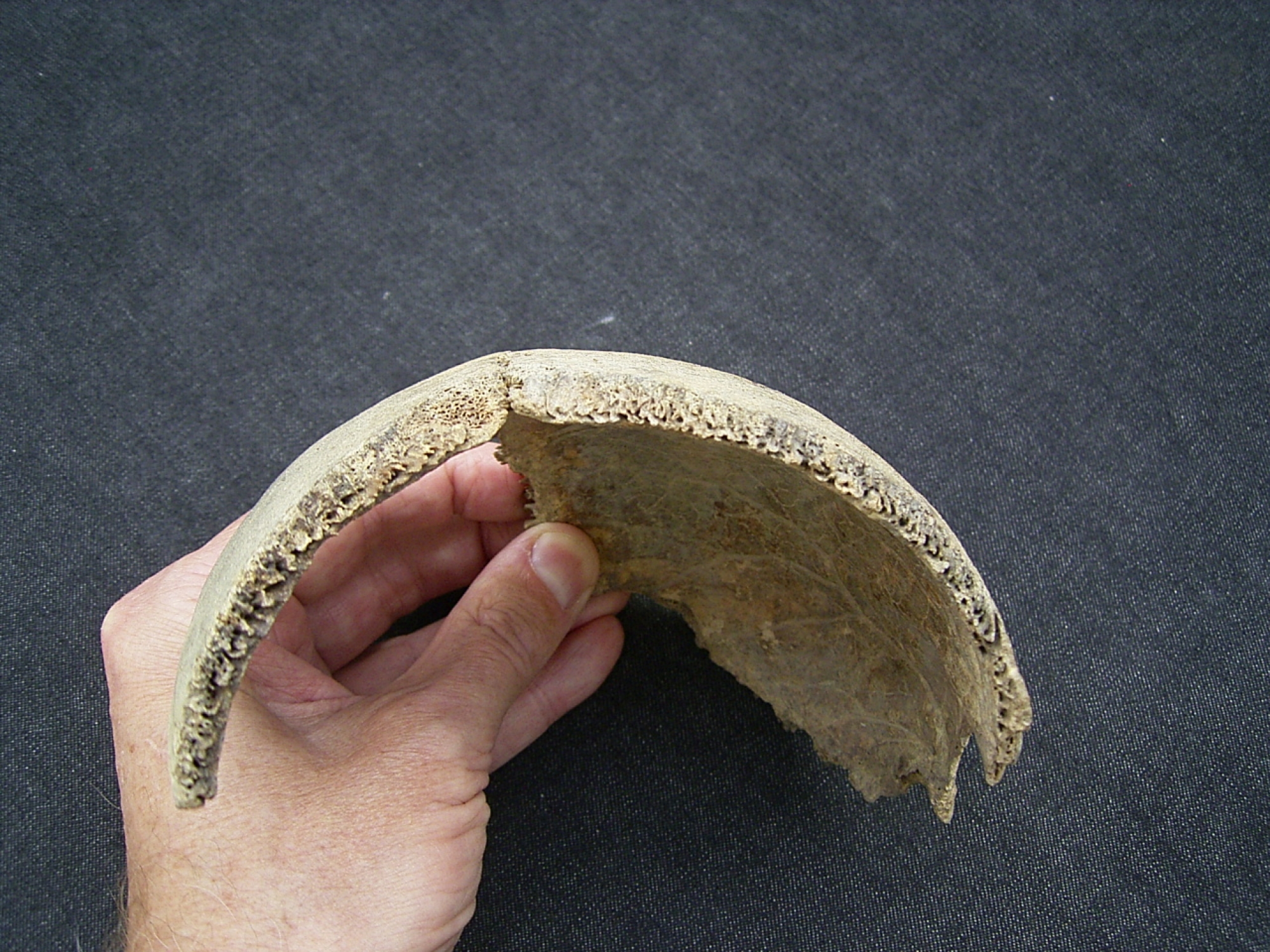
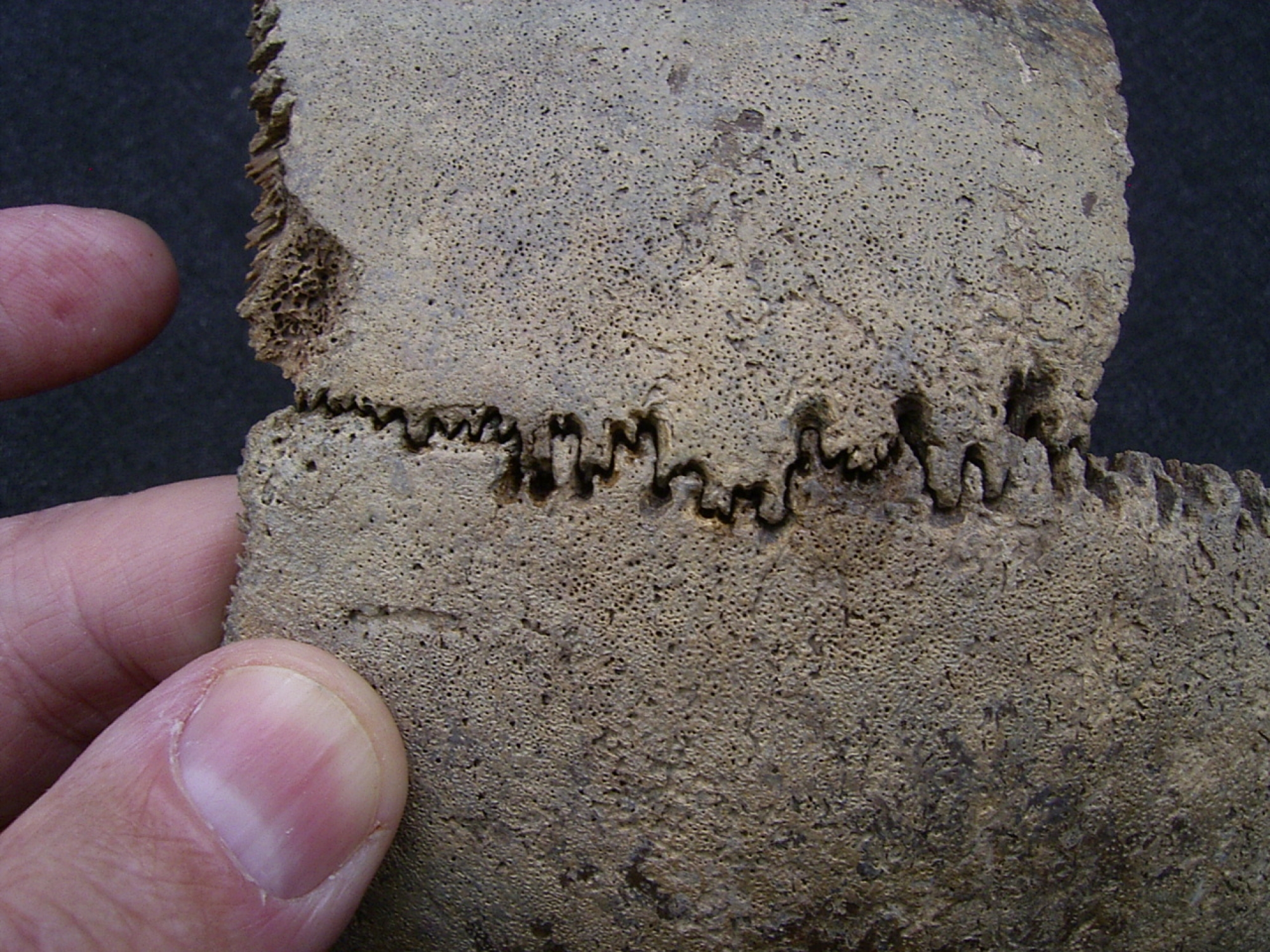
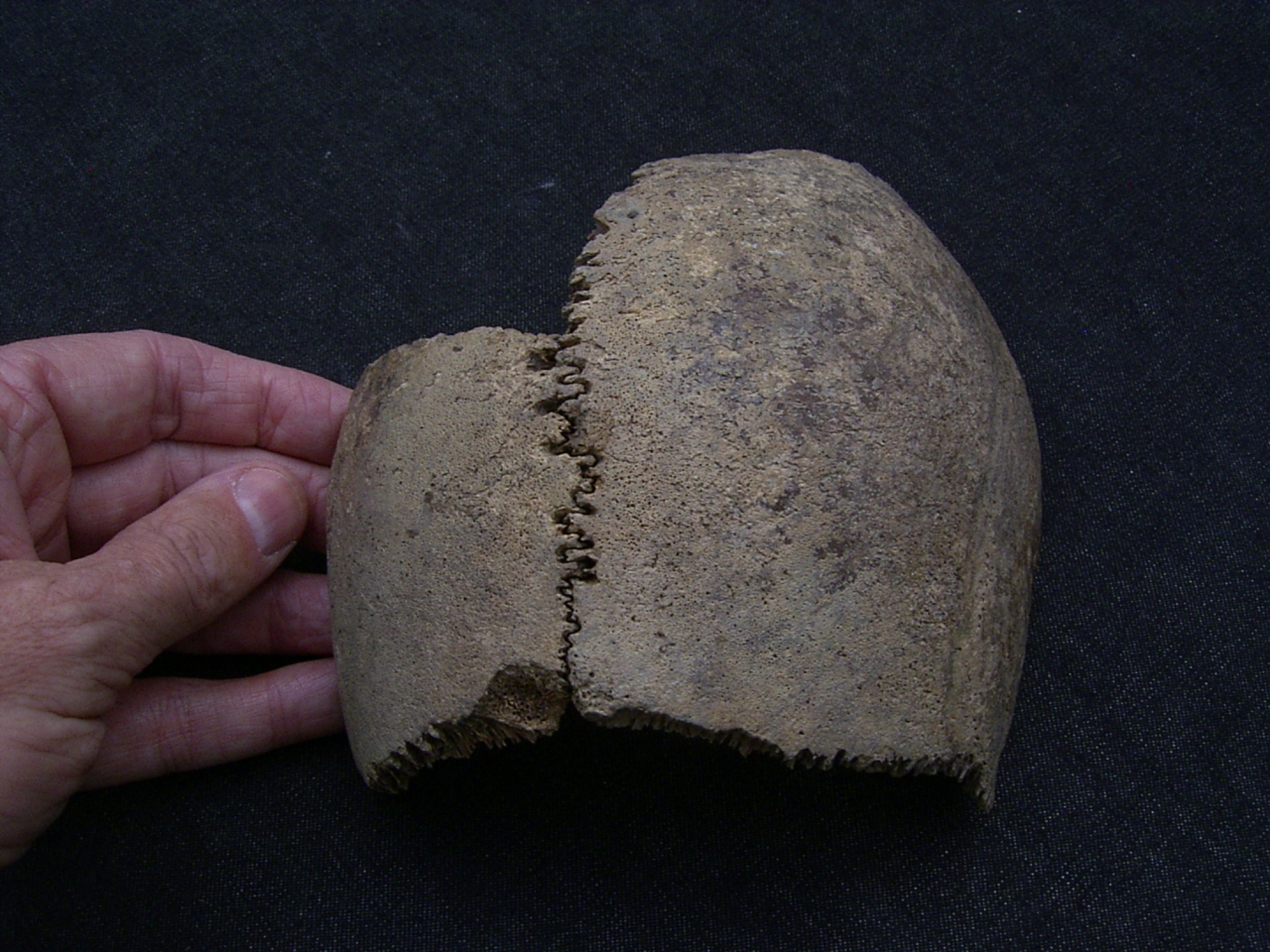
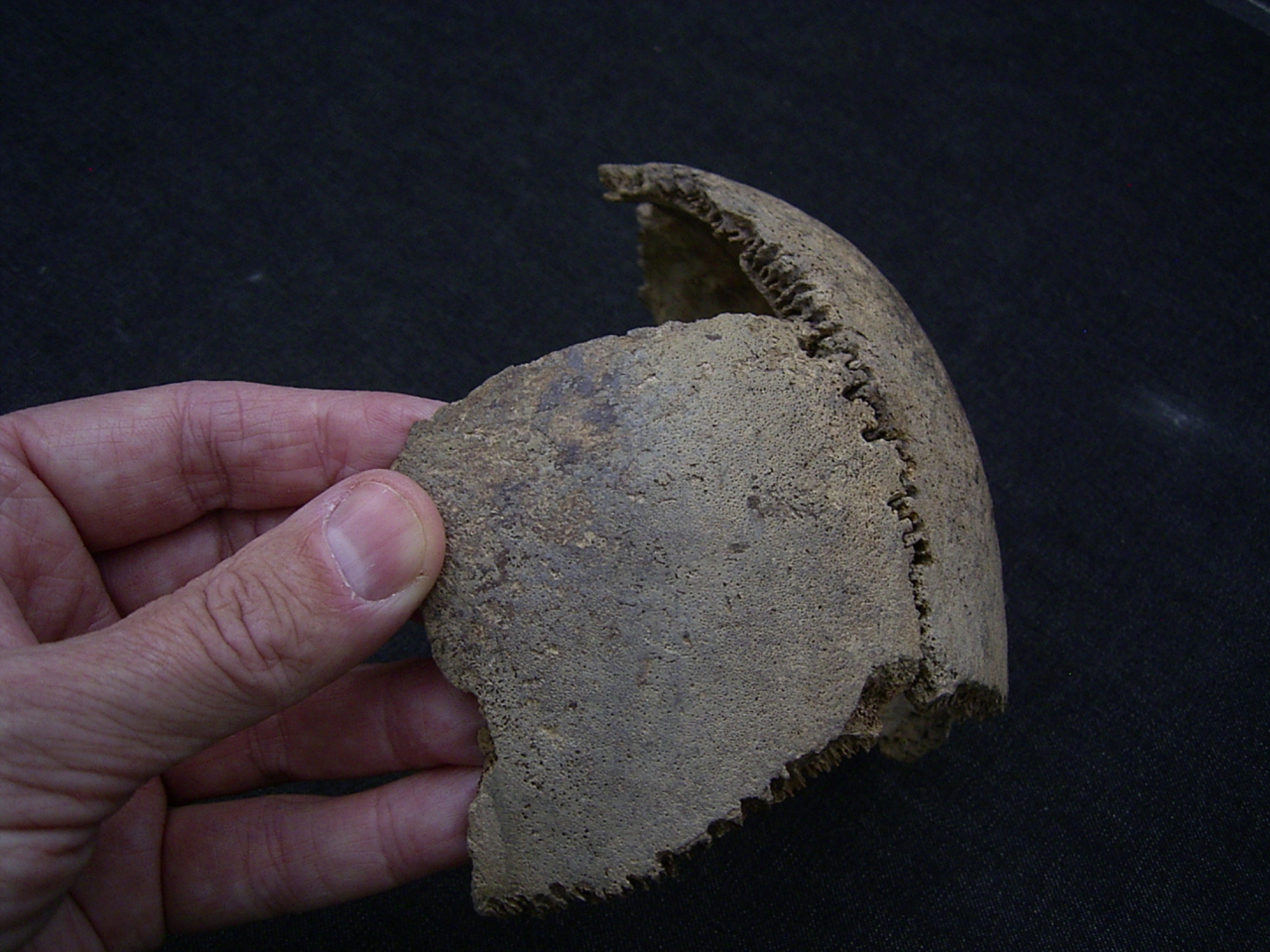
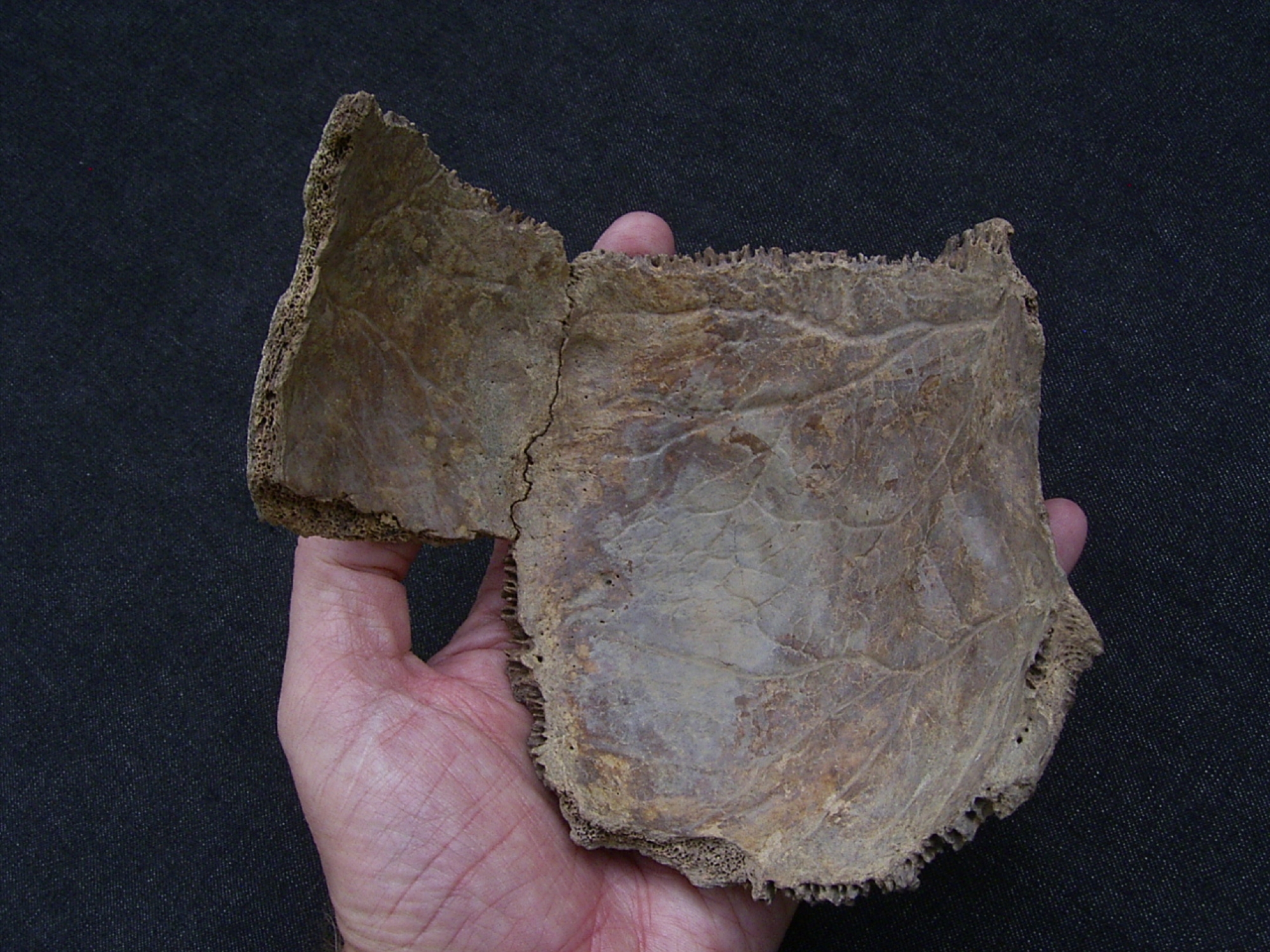
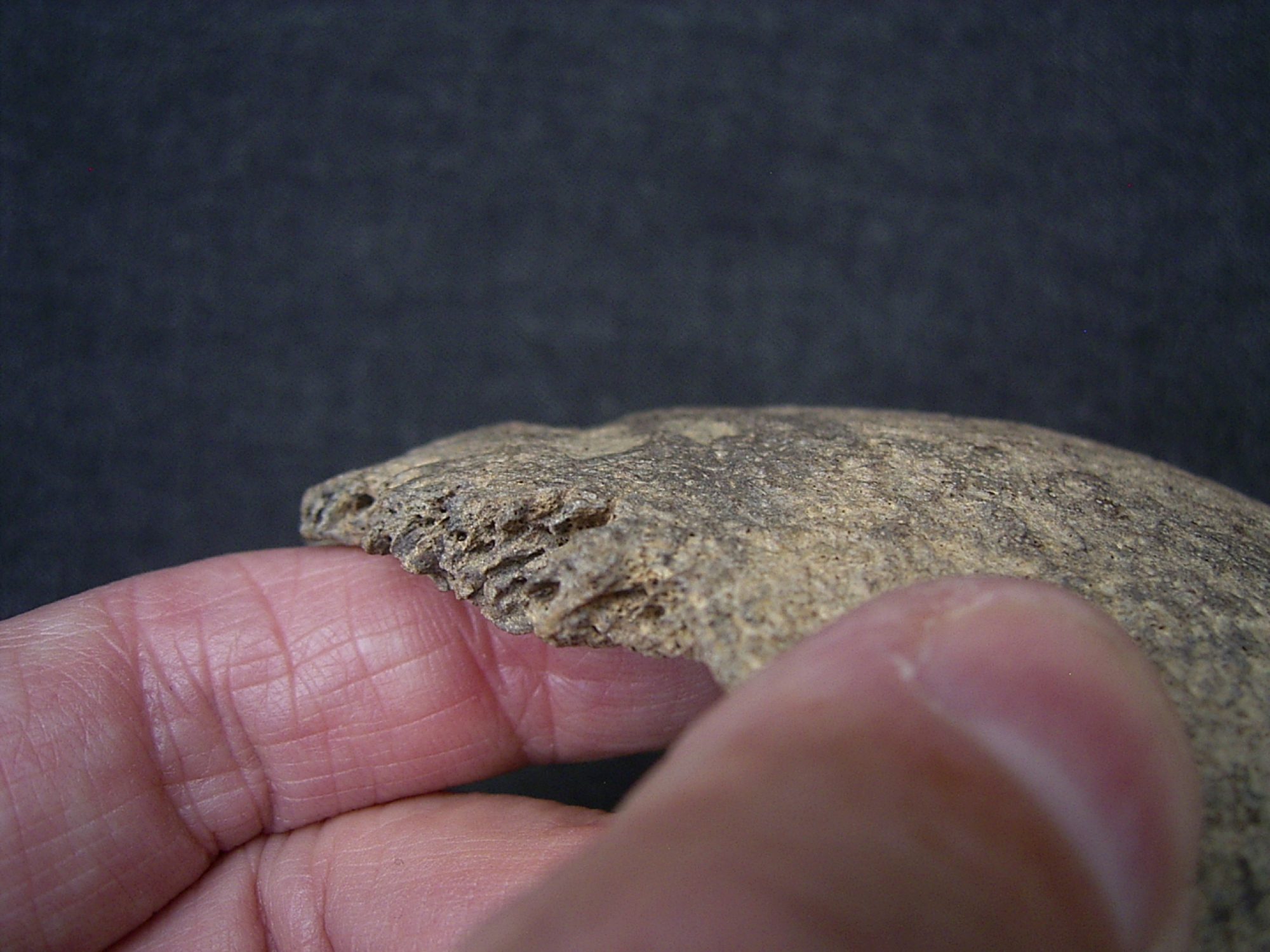
It is a thousands of years old skull piece consisting of the left and right parietal bone (Os parietale) of an
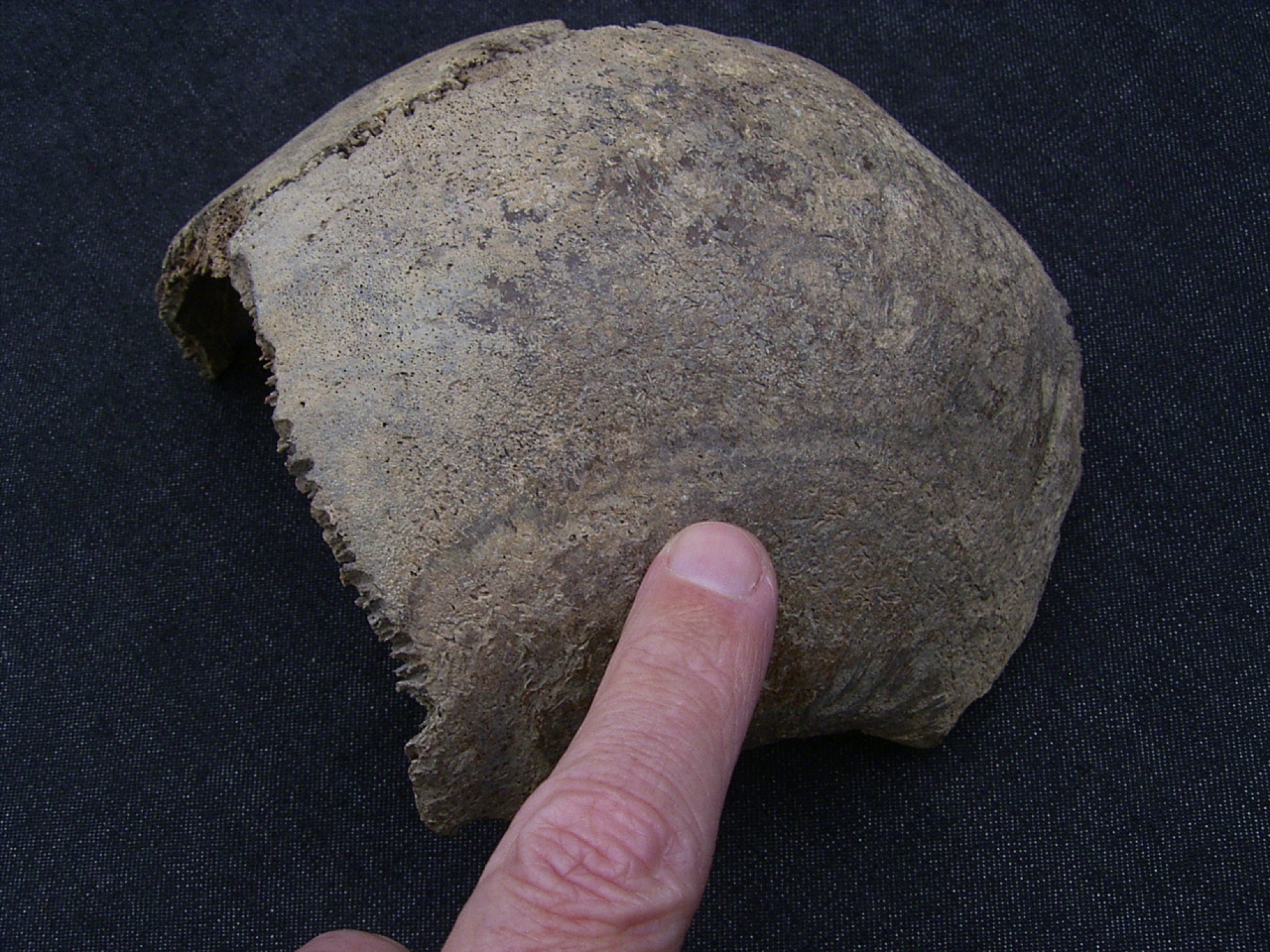
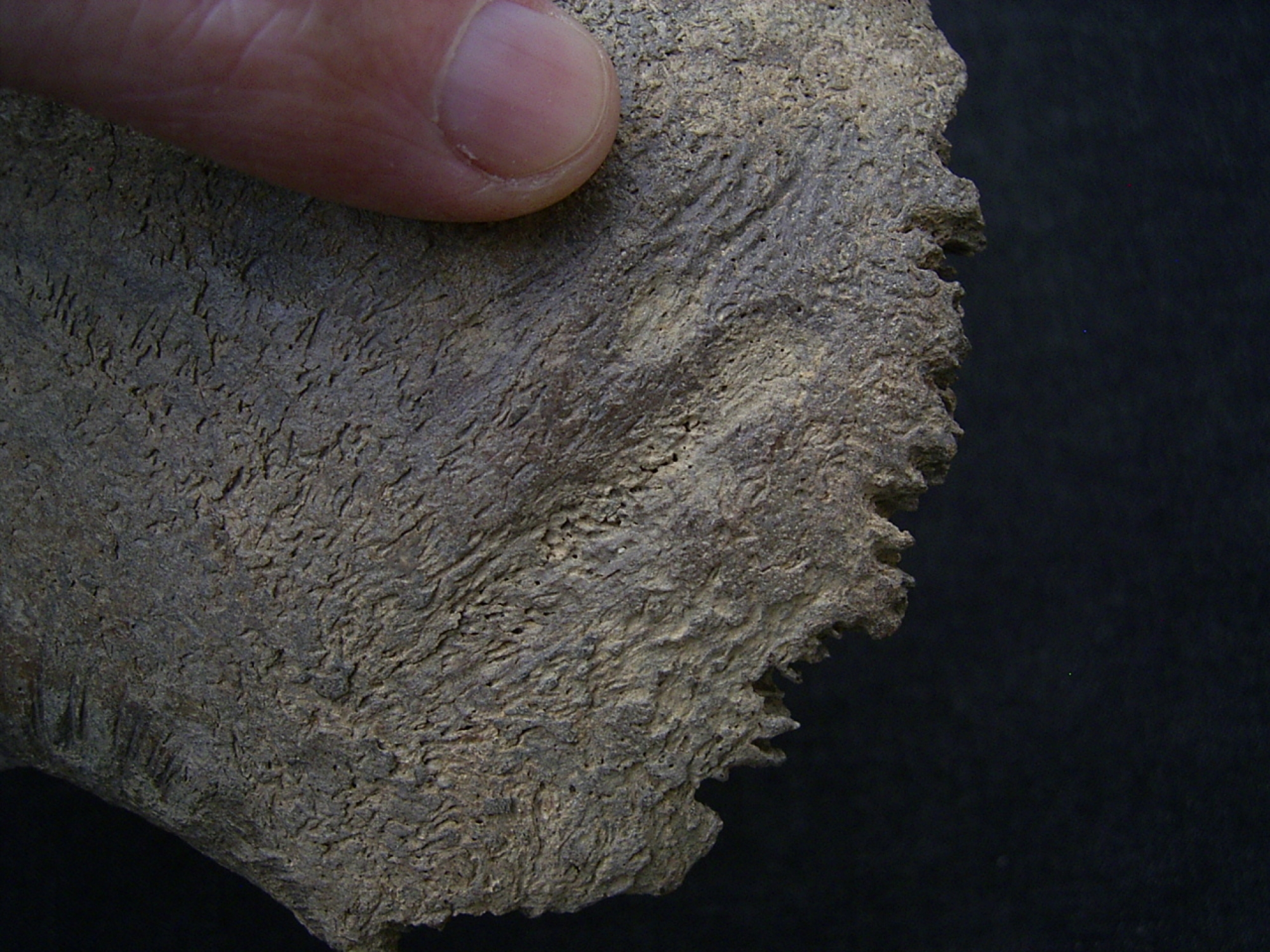
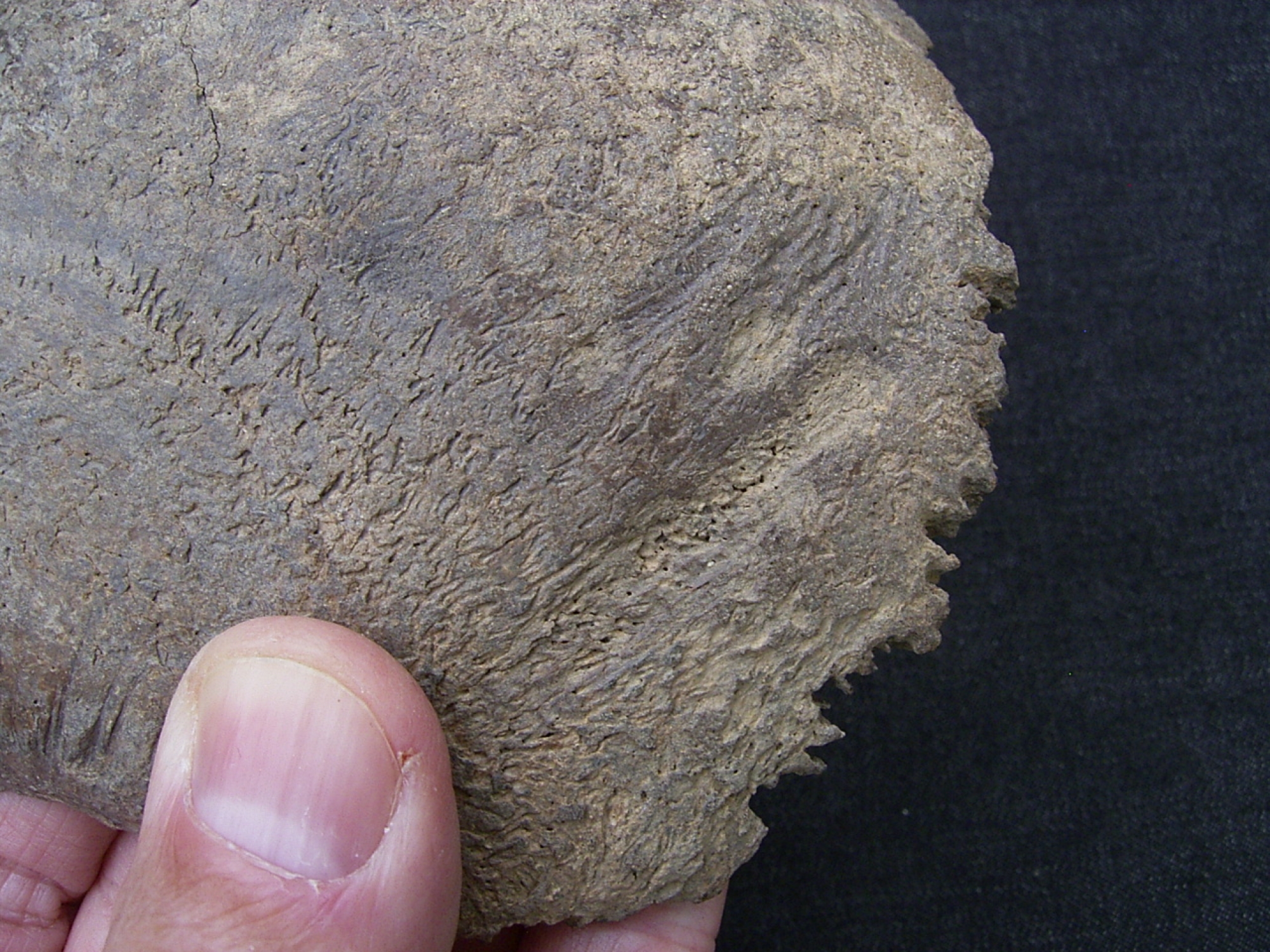
anatomically modern Homo sapiens. It is a juvenile (not fully grown) individual. Cribra Cranii (slight signs of
infection on the surface – caused by scurvy, vitamin C deficiency or iron deficiency). Irritation of the
periosteum on the skull, presumably caused by high physical stress, which actually only occurs from an age of
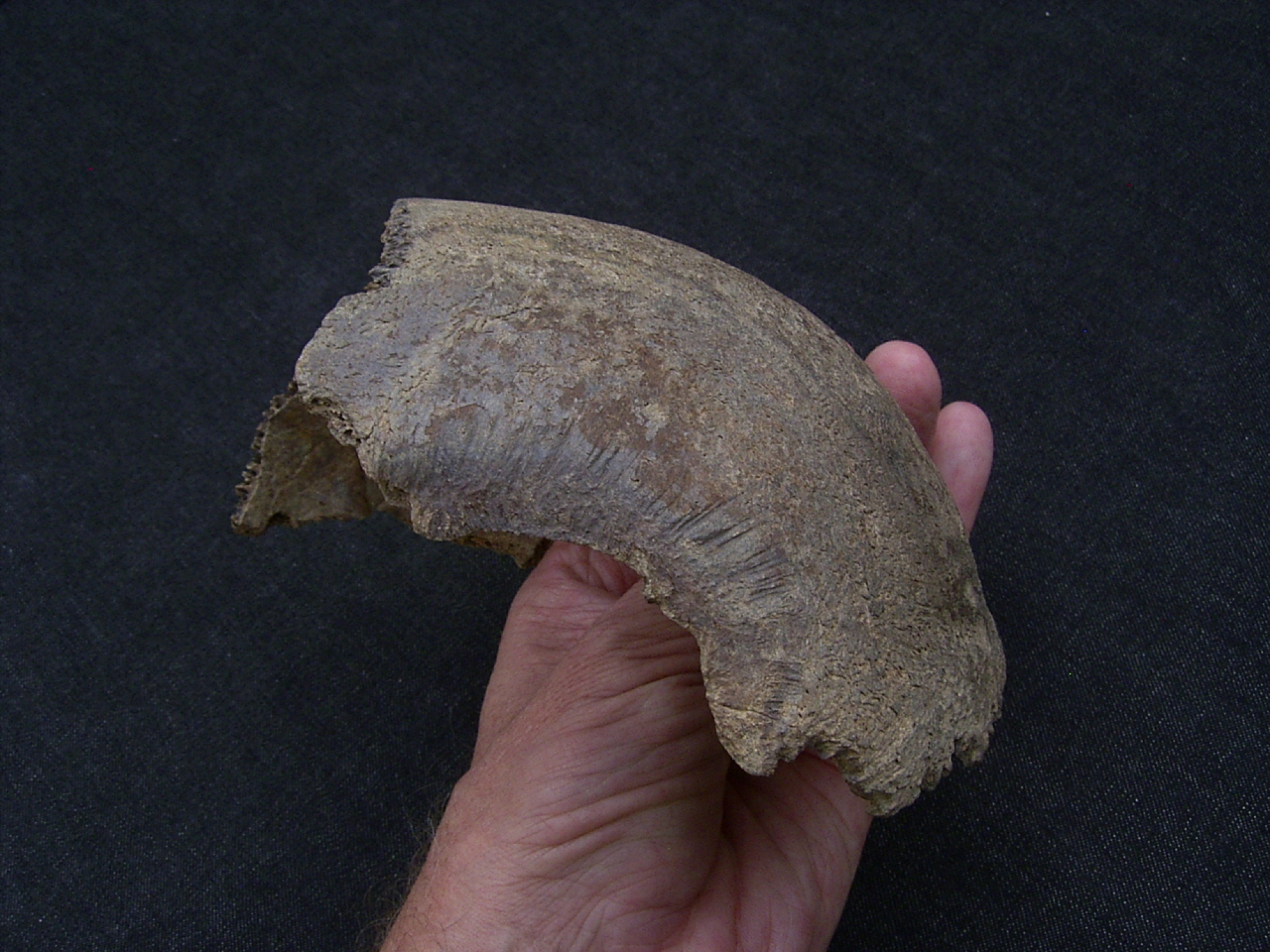
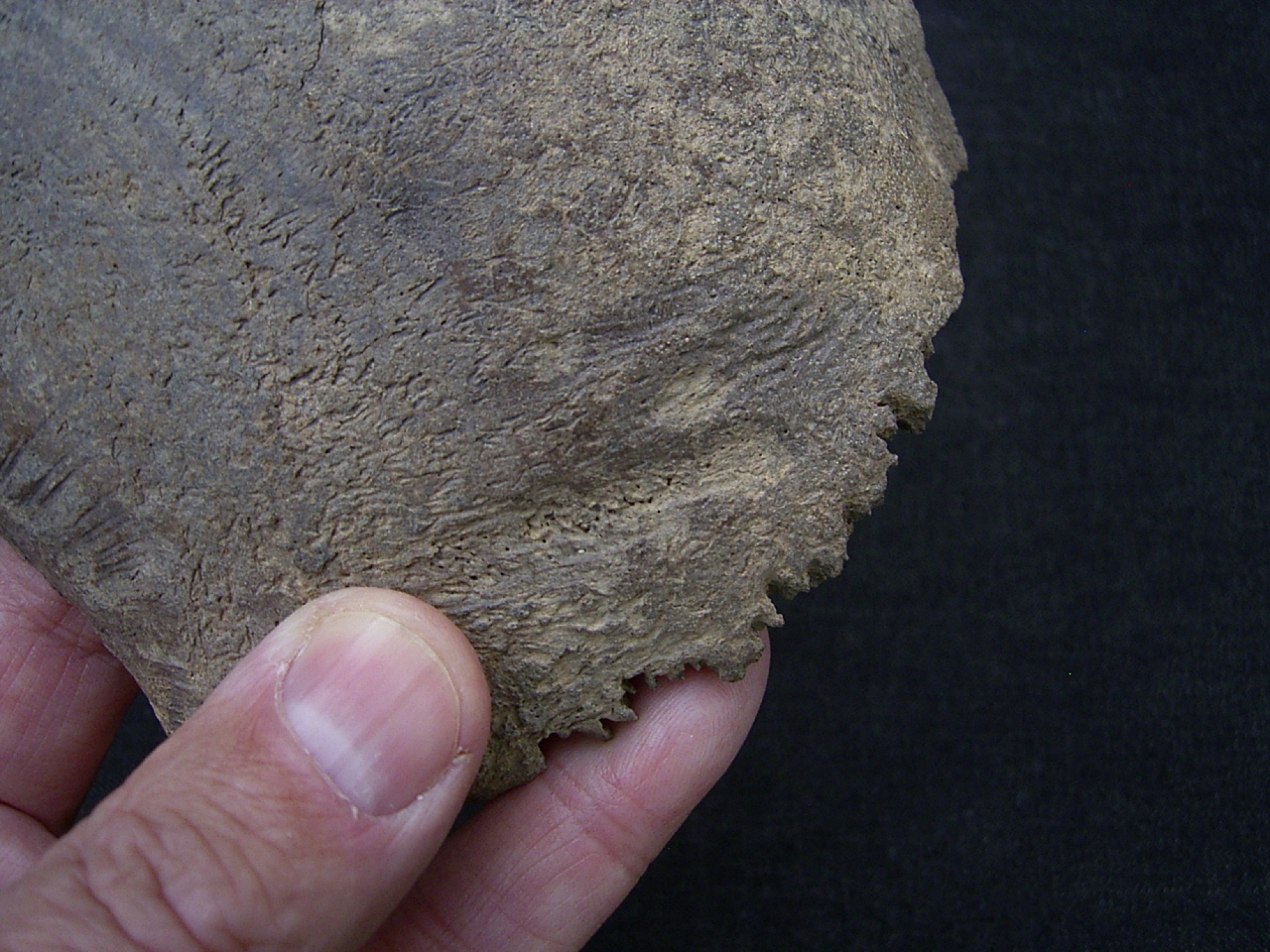
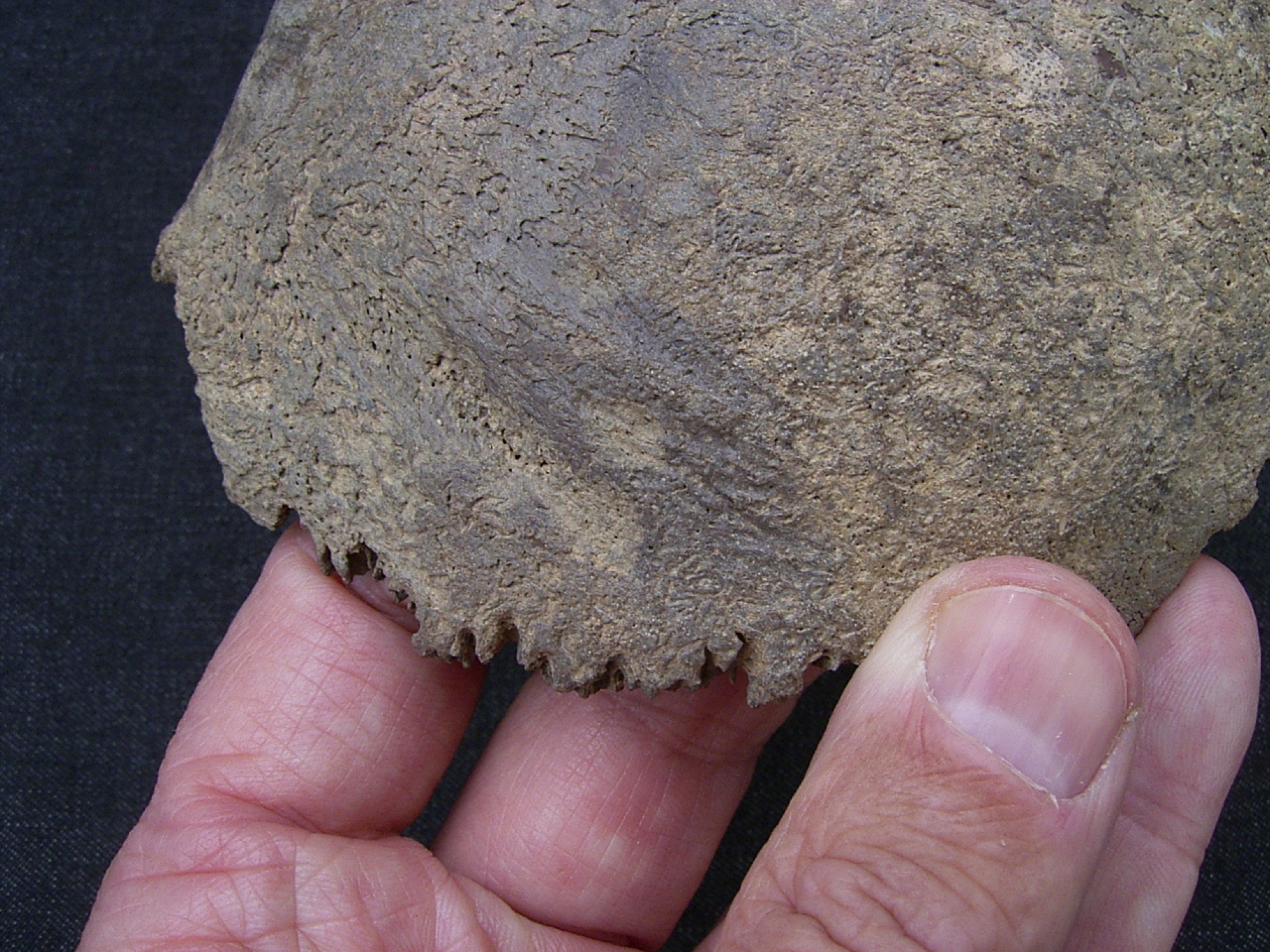
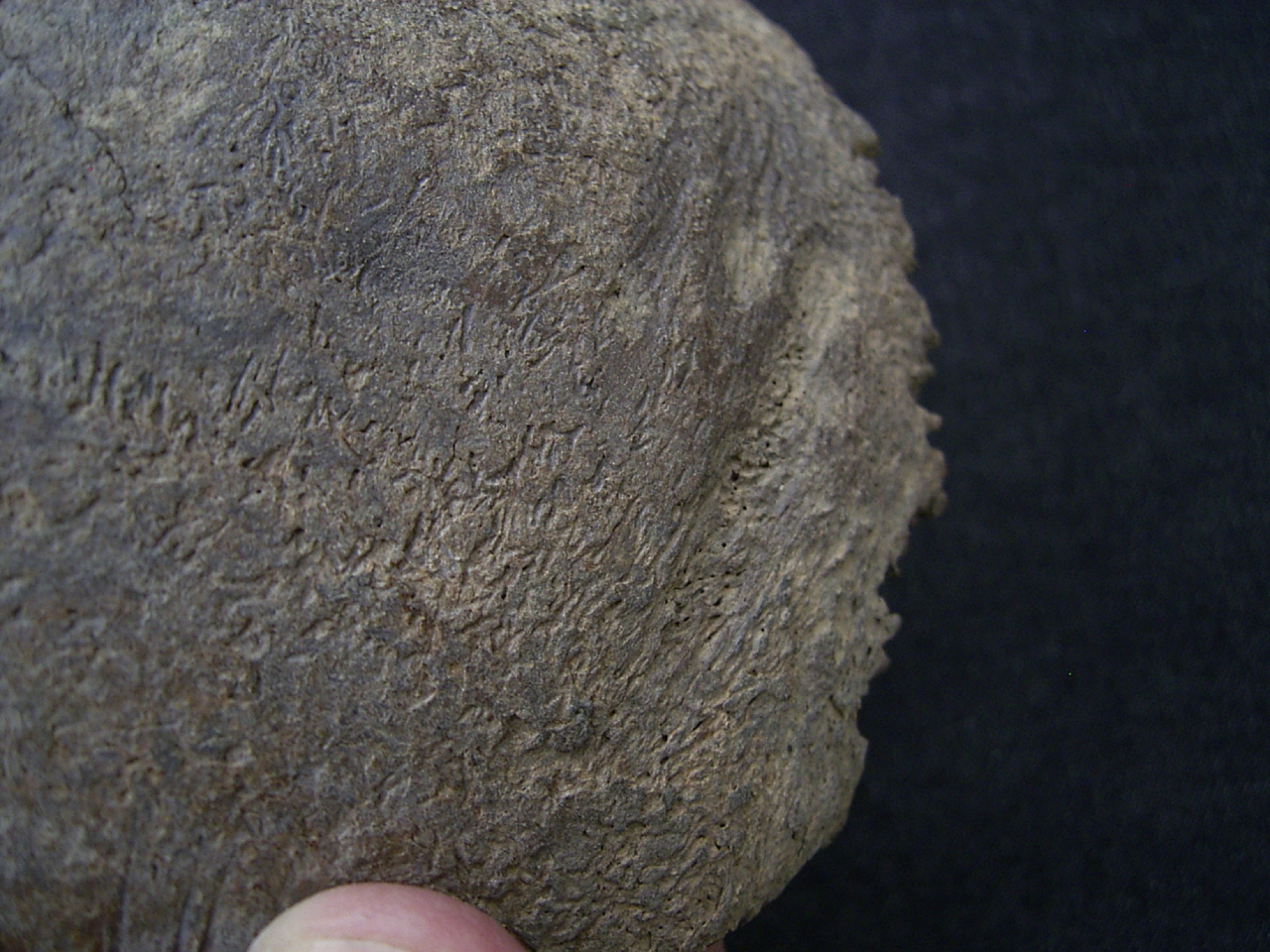
about 40 years, but can also occur earlier under corresponding stress. The preservation of the bone is solid,
very dark, heavily mineralized, definitively mineral-stored and little weathered. Interesting: possible bite
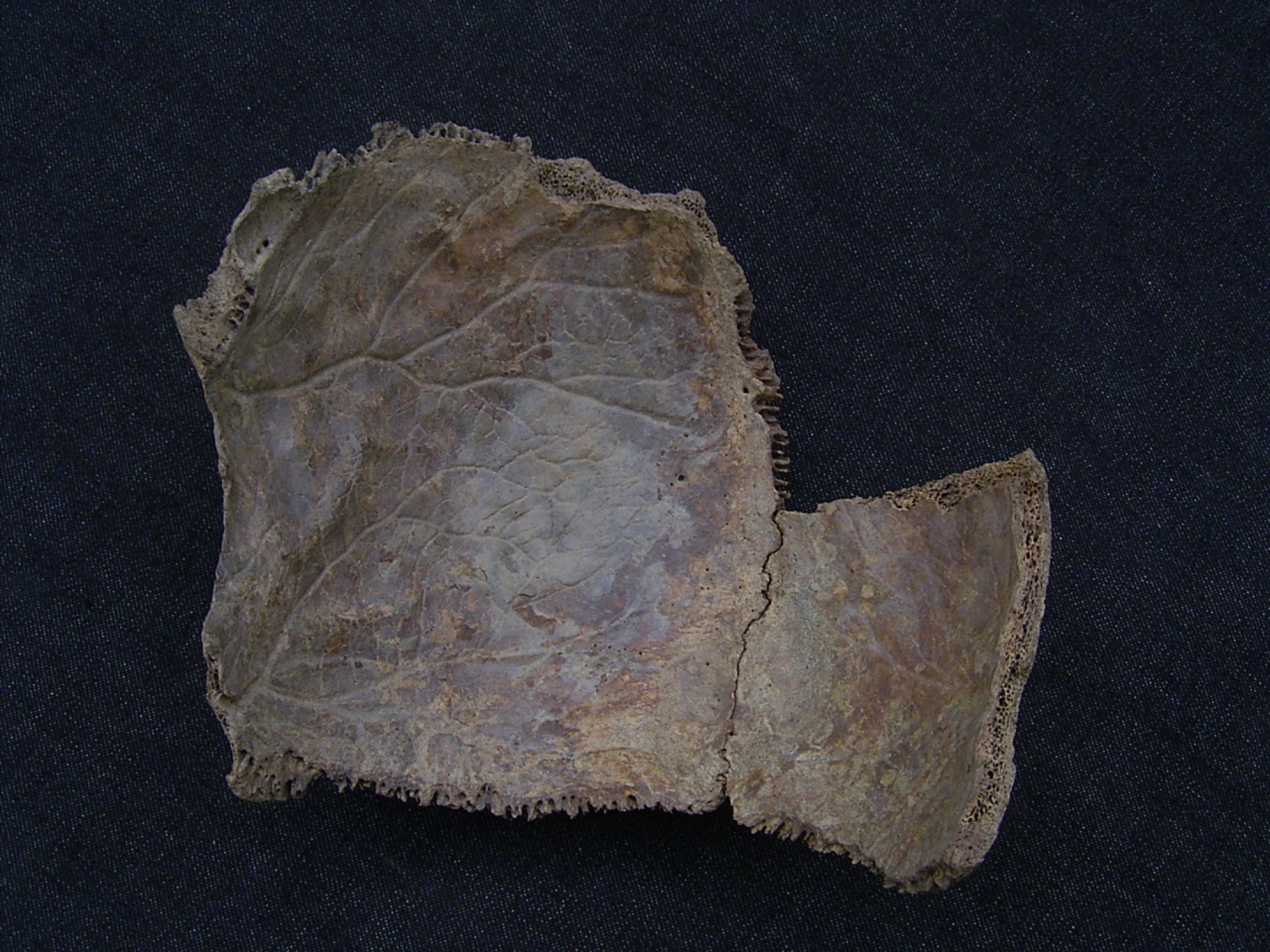
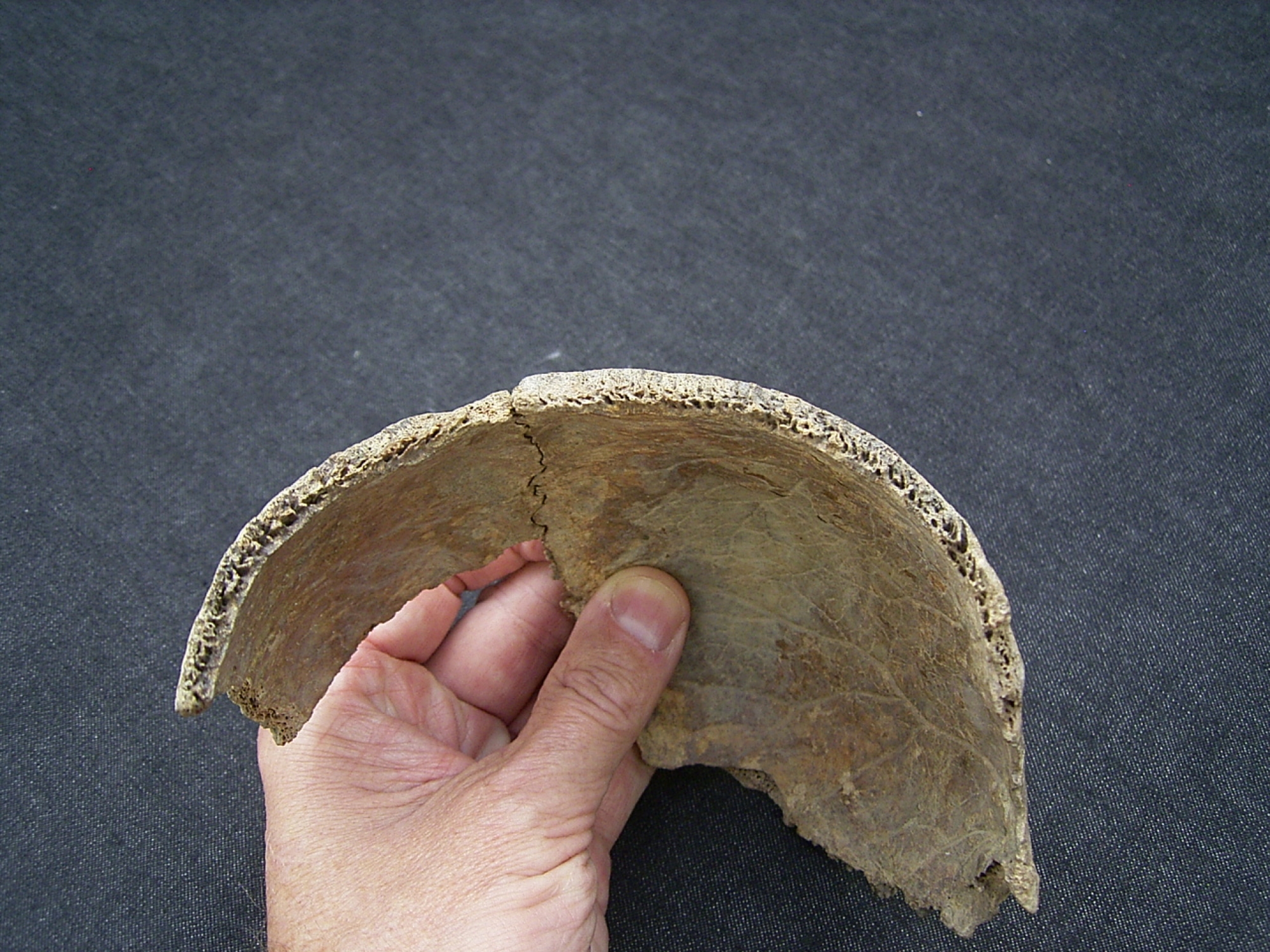
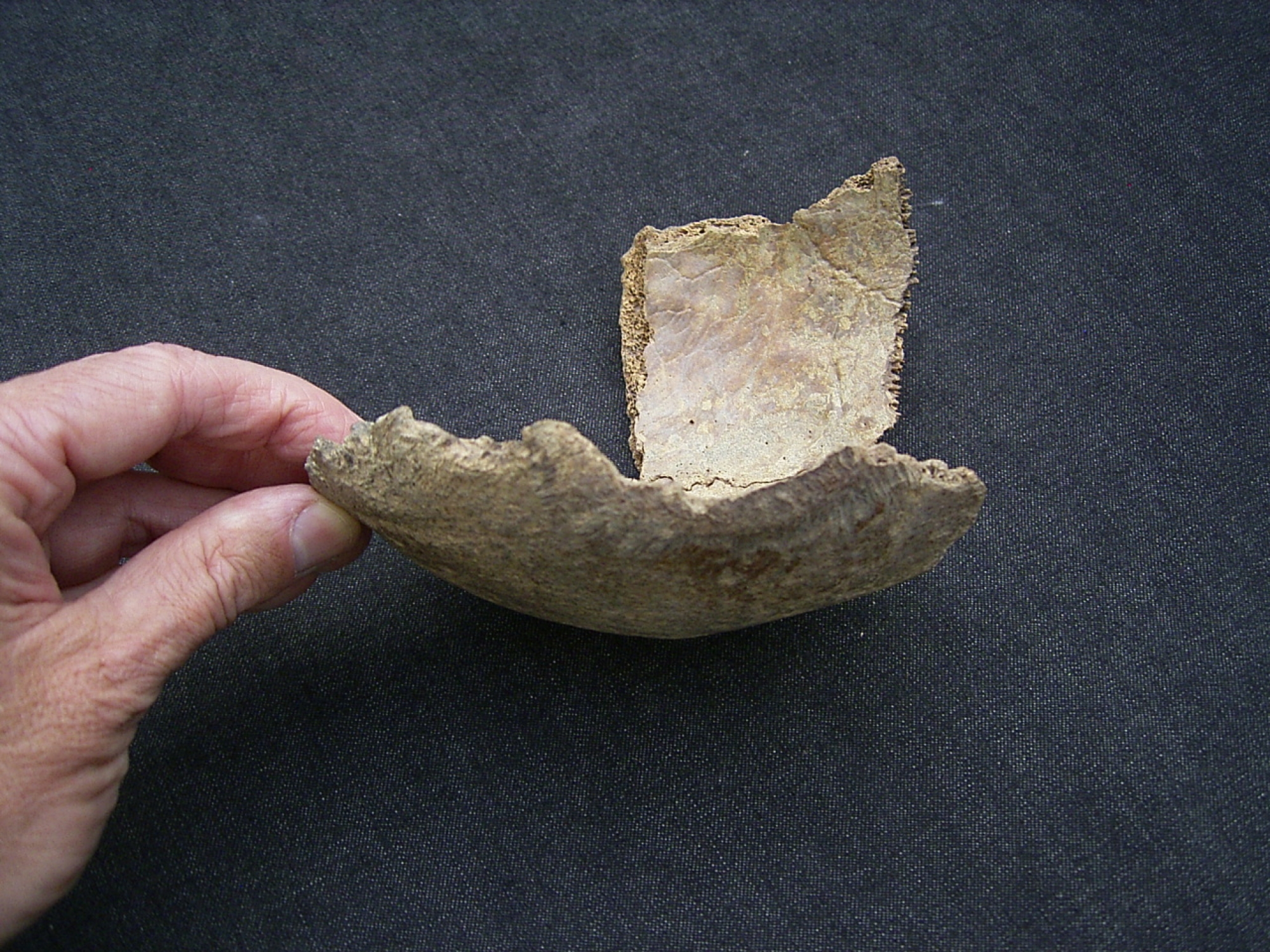
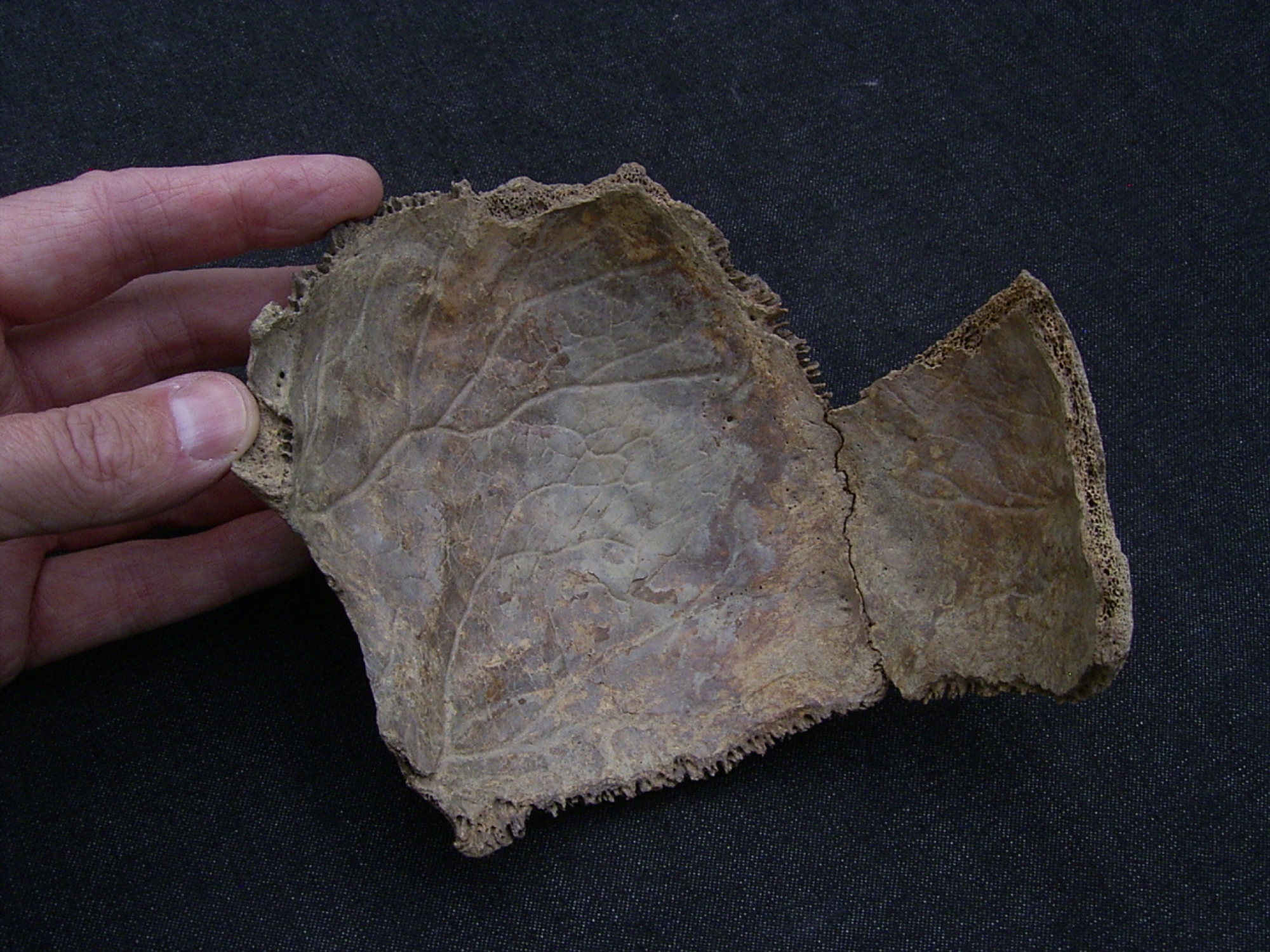
or cut marks are visible. The two skull parts are connected with each other by the cranial suture (Sutura) and
are not glued together, they can be moved slightly against each other.

The piece comes from a gravel pit (on the former course of the San River) in Poland. Many Pleistocene finds of
animals such as mammoth, bison, giant deer, rhinoceros etc. also come from this locality.

The bone was found at a depth of about 15 meters. The exhibit is unbroken, it measures approx. 15 x 13 x 8 cm.
It is in its original as-found condition without any manipulations.
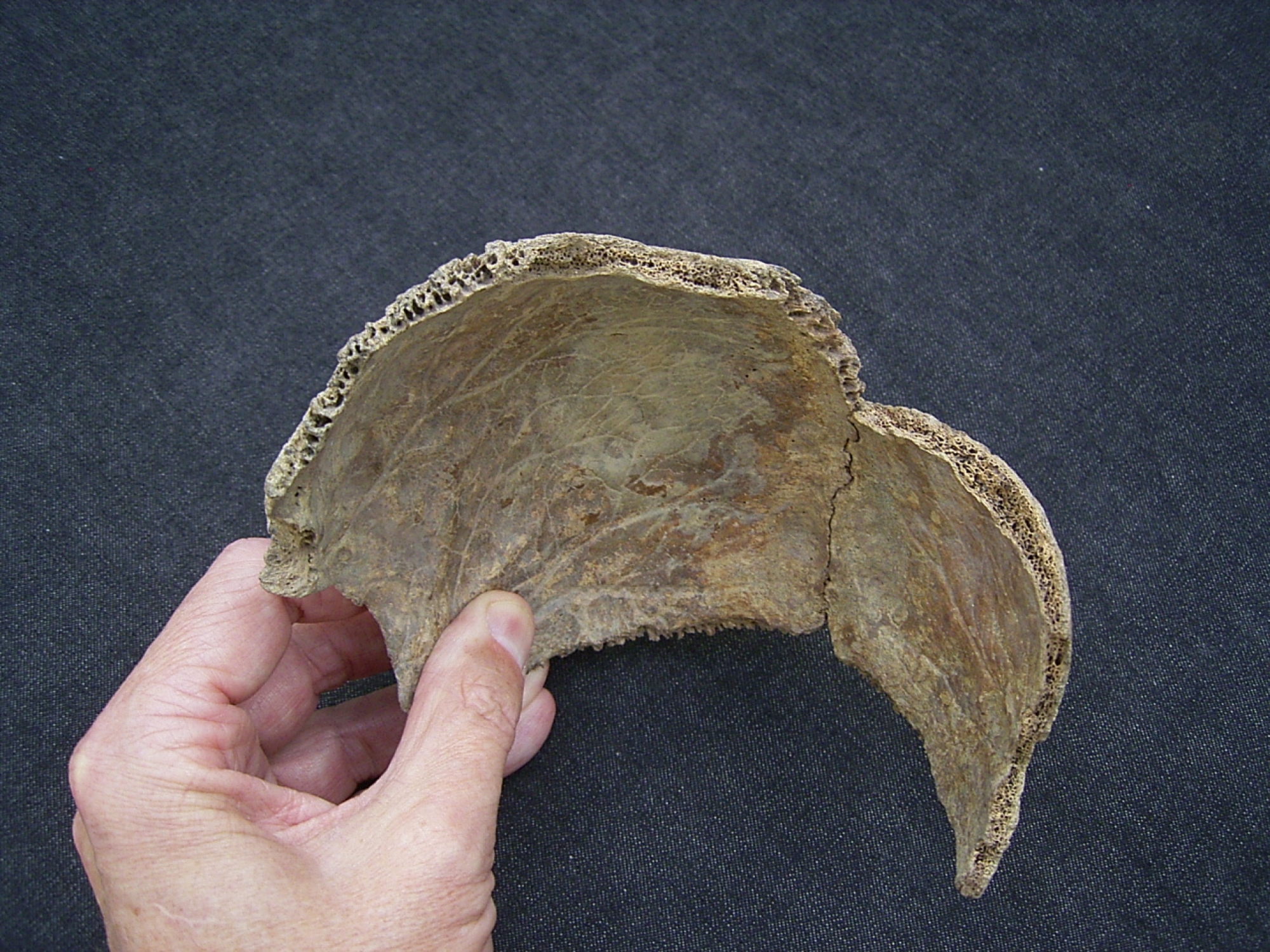
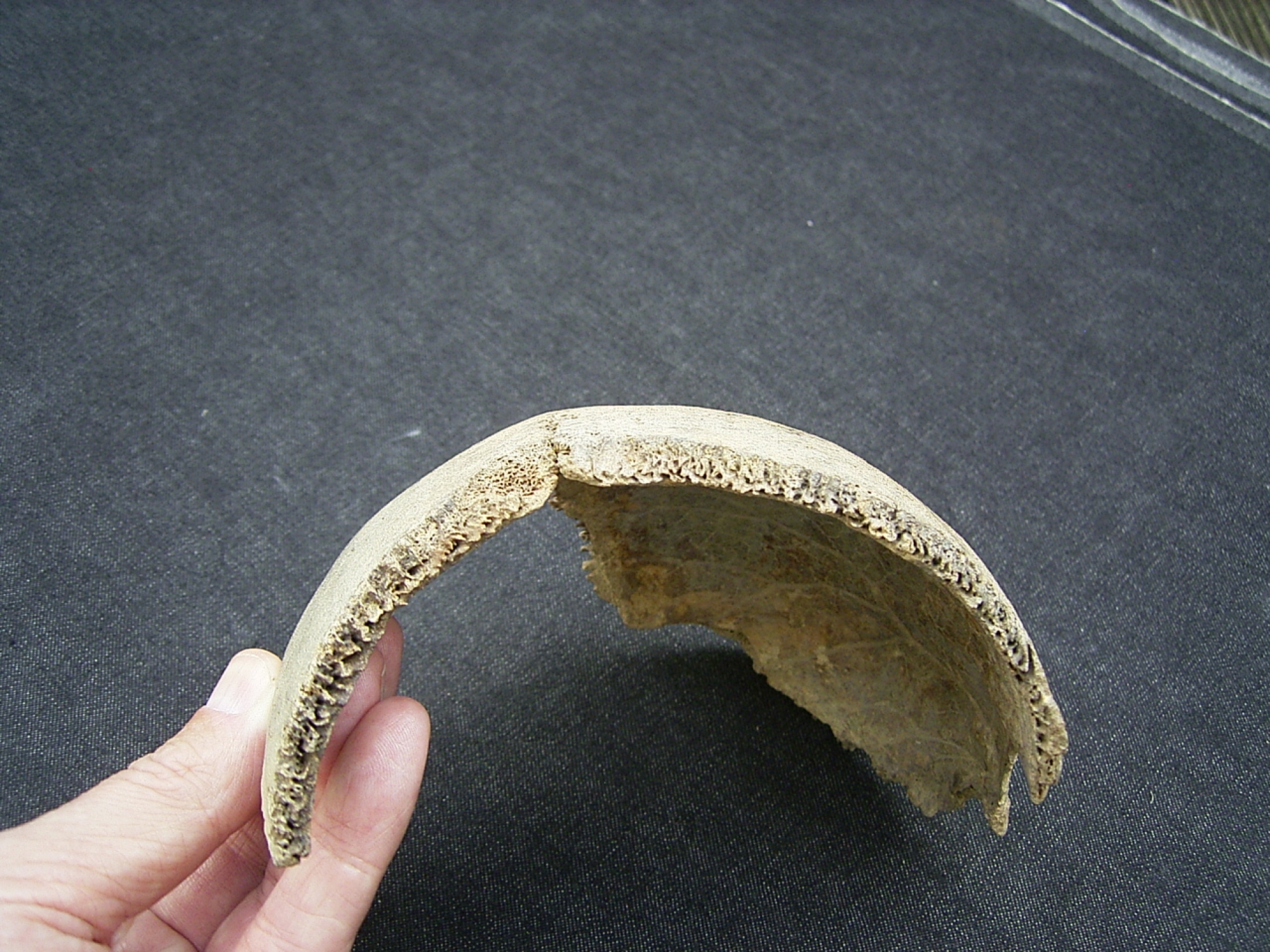
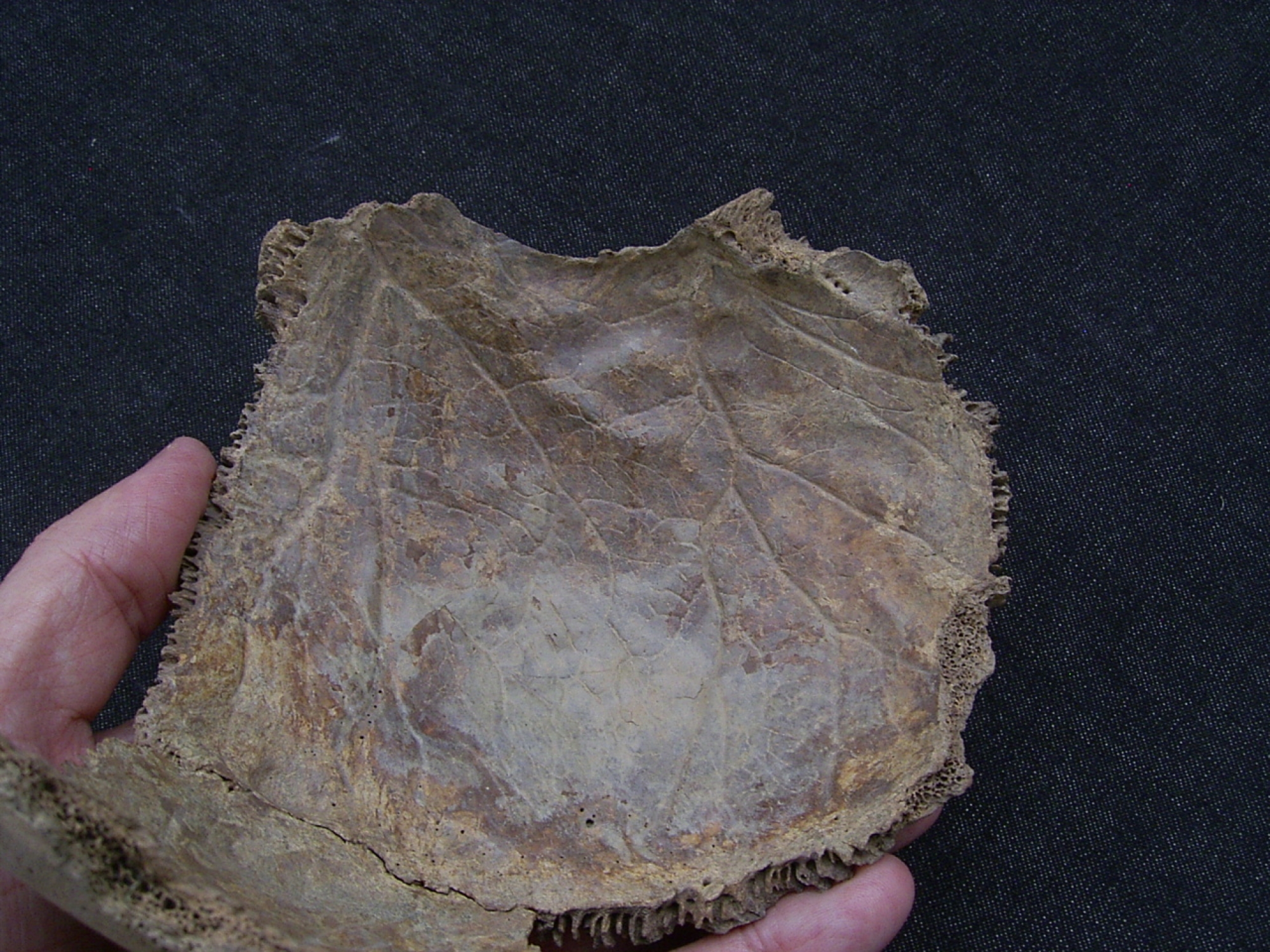
The find is relatively heavy and heavily mineralized. The preservation is remarkably good, one can clearly
recognize, for example, the vessel impressions on the inside of the skull.

Such bones are found only very rarely. The extraction method on site has changed. In the past, the gravel dredging
involved dipping into the lake with an excavator bucket and bringing sand, gravel and fossils to light. Today,
this is done with a suction pipe and fully automatically. In the process, many fossils are damaged. The workers
control all of this only electronically – they are also no longer at the scene and only see the conveyor belts
from a distance. And if a larger piece, such as a giant deer antler, can be seen on the belt, the workers are
forbidden to stop the process.
Everything goes directly into the shredder and is then sorted for sale. Unfortunately, such wonderful finds are
irretrievably lost day after day.

We expressly point out that this is a find that is many thousands of years old and NOT a recent bone. The exact age
could be determined by means of C-14 dating. Dating would be possible without any problems because the bone is still
in its original as-found condition and has not been treated with chemicals in any way.

Rarity!
Categories
Last viewed: