- Customer group: Guest
-


- Home

- Details
- More images
Products description
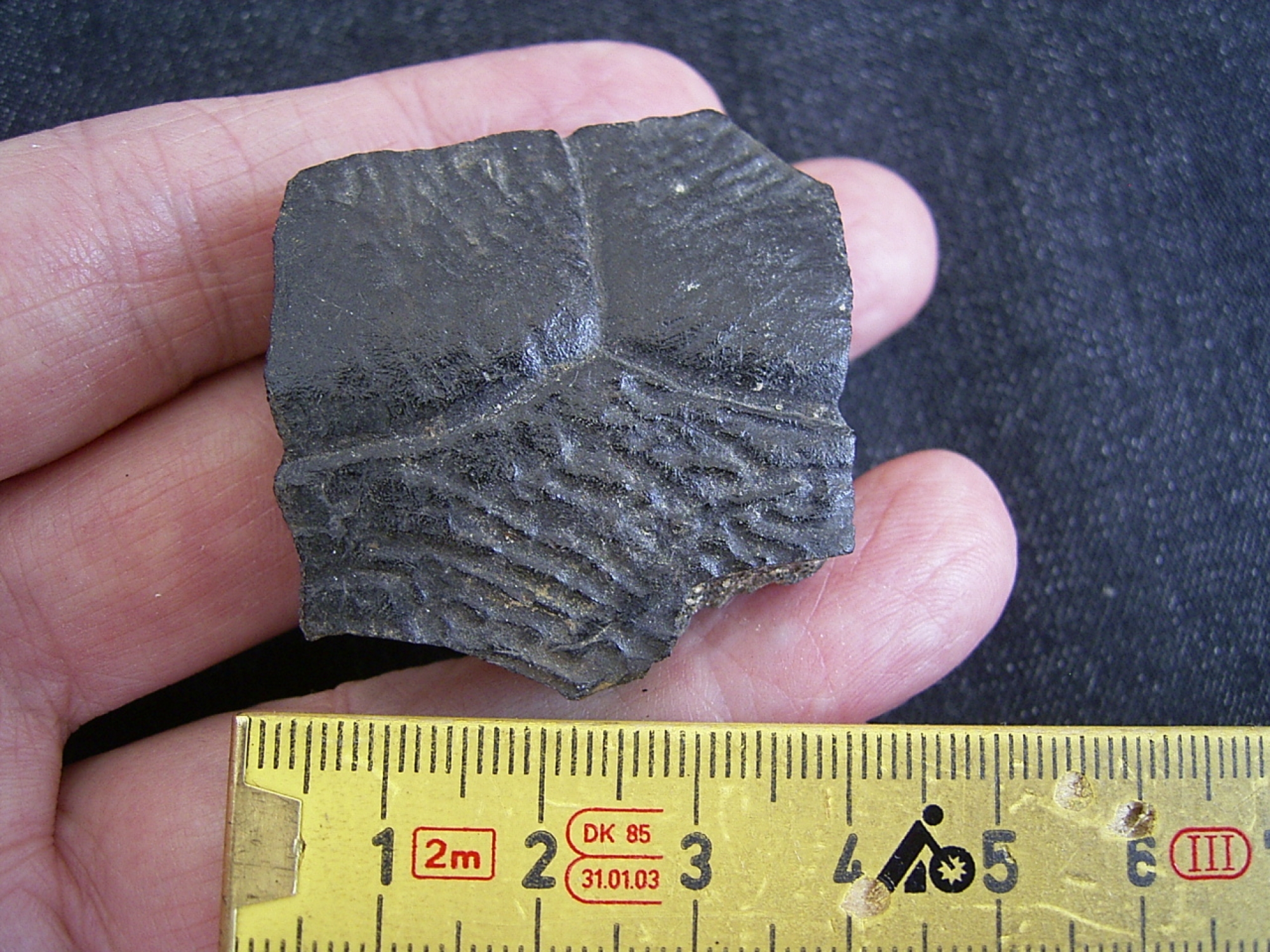
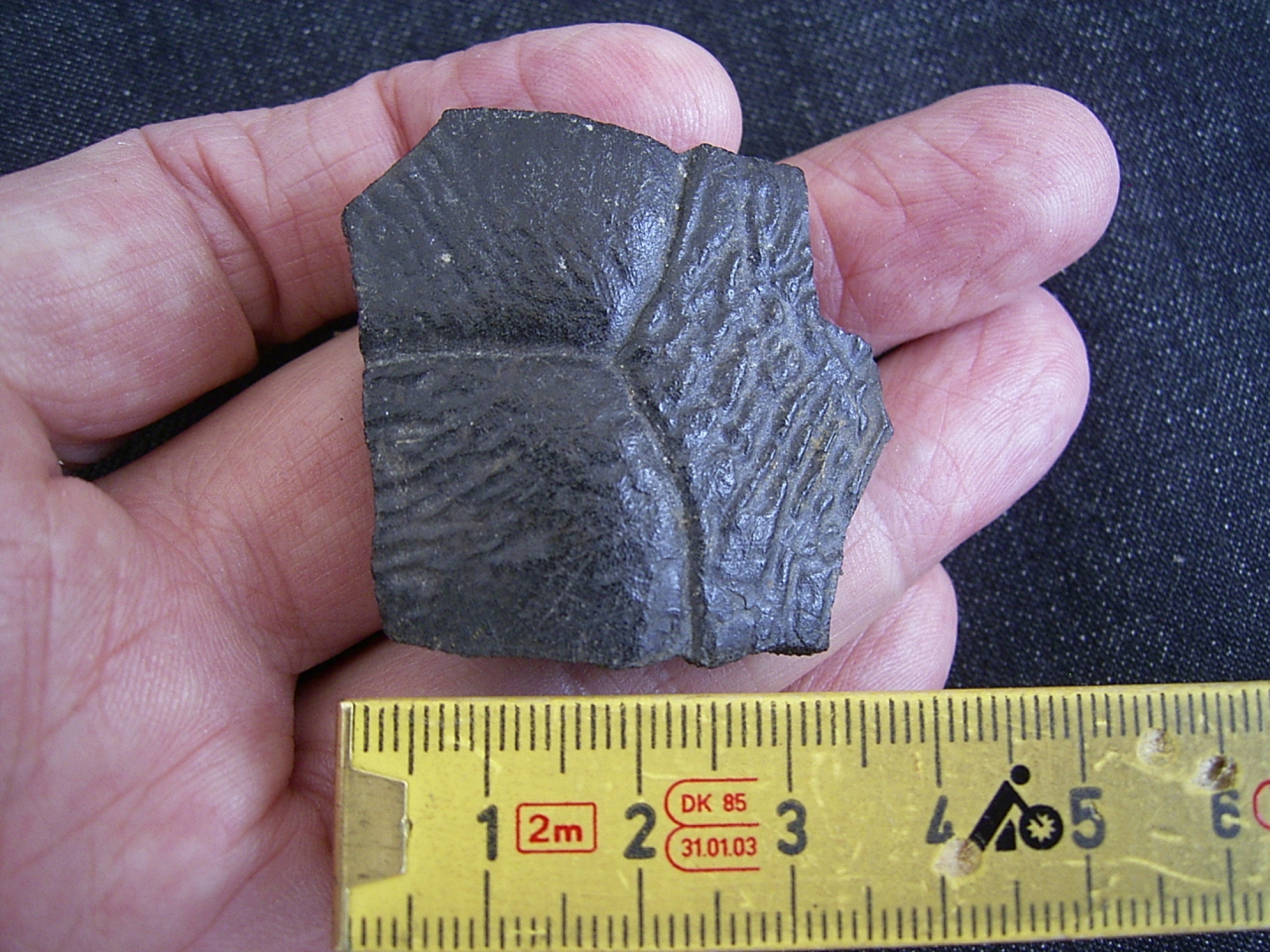
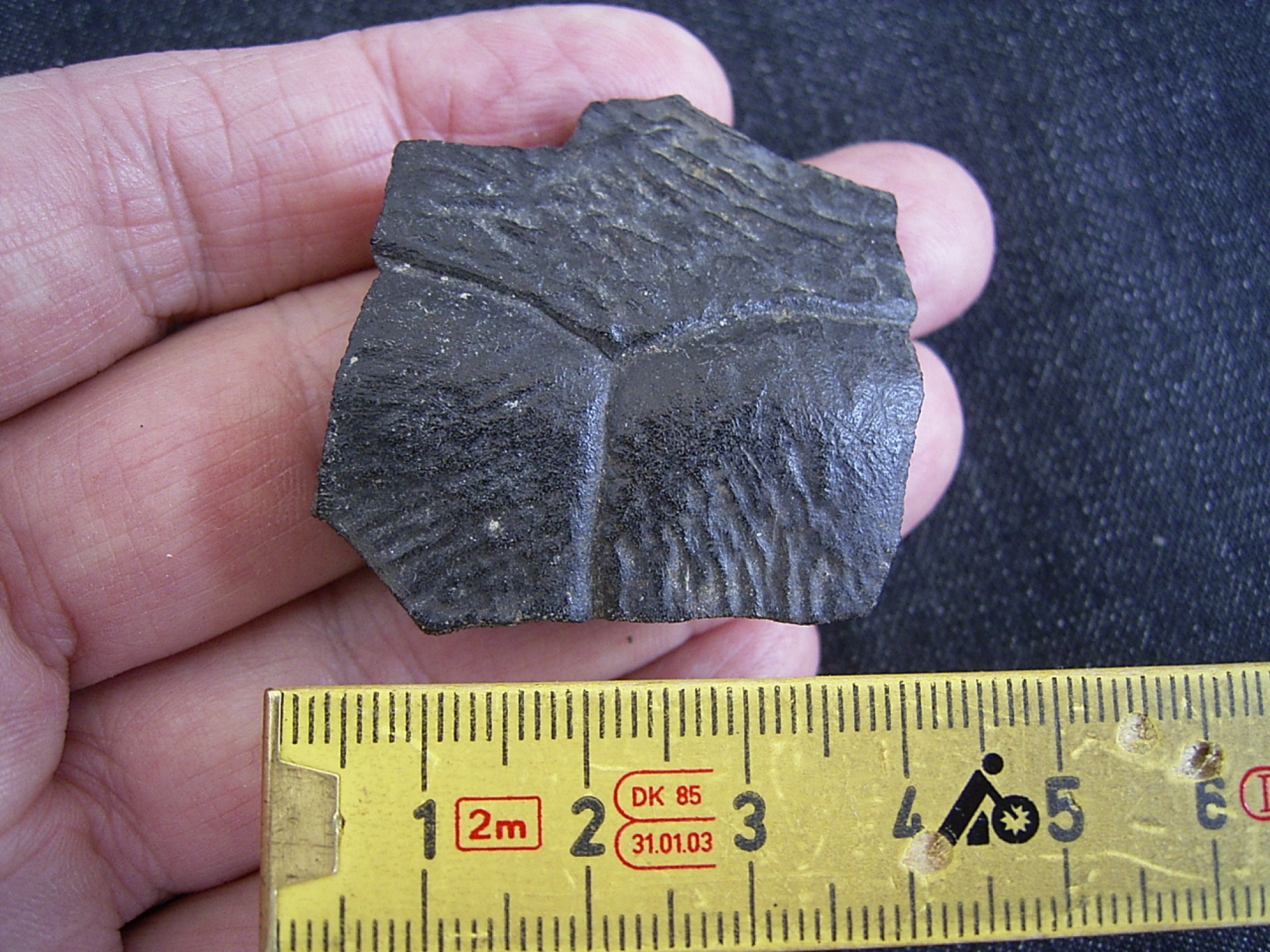
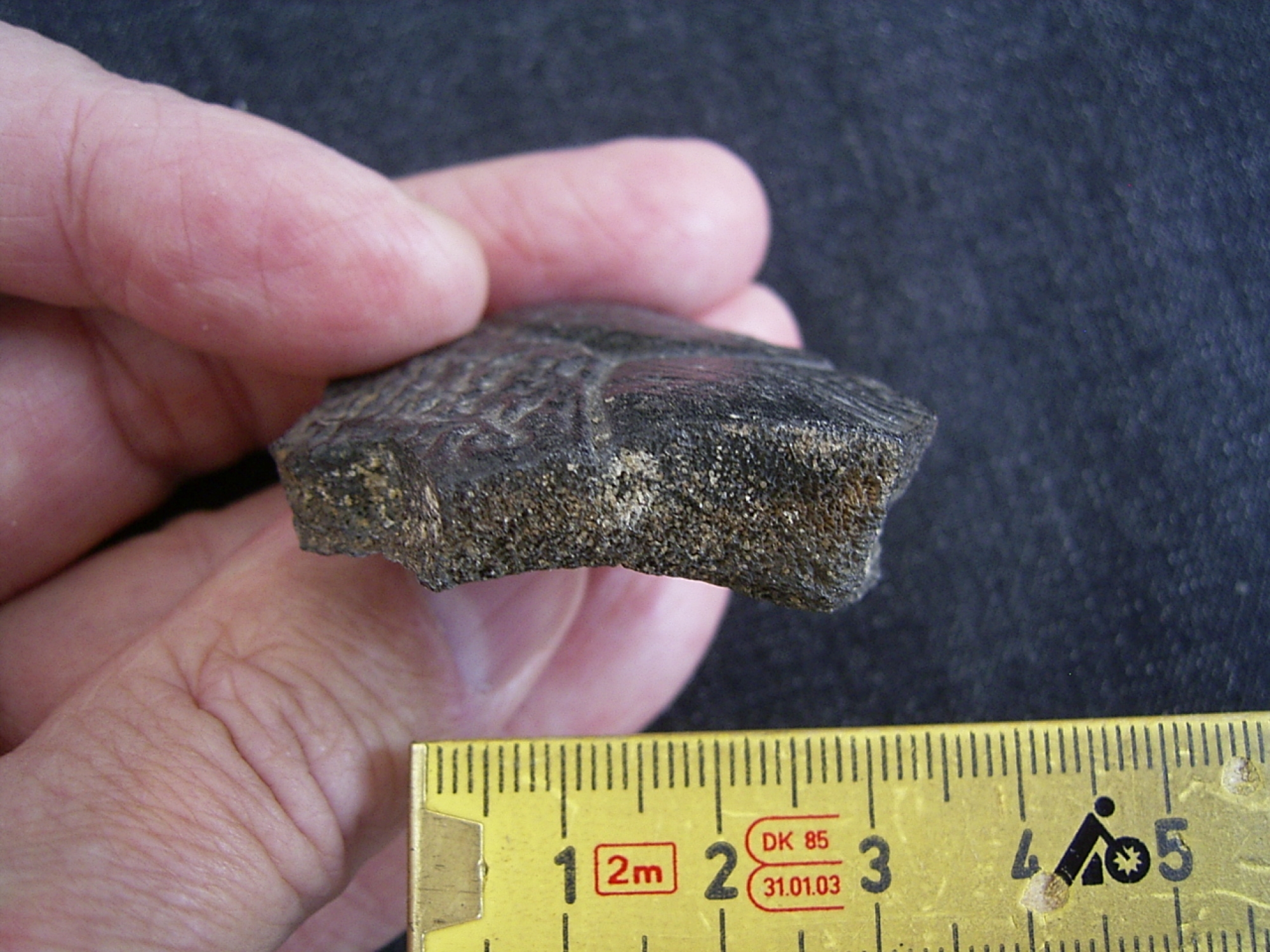
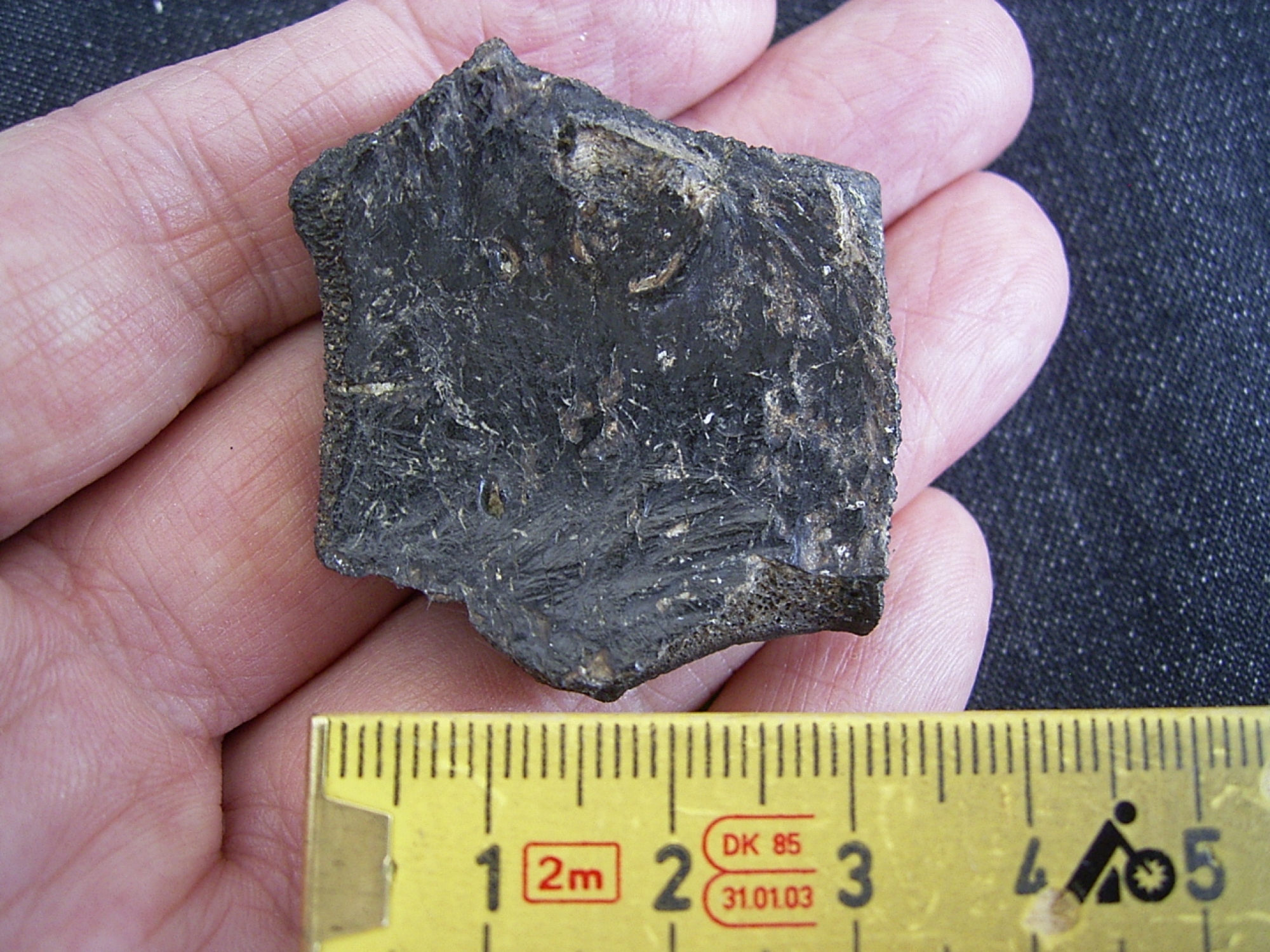
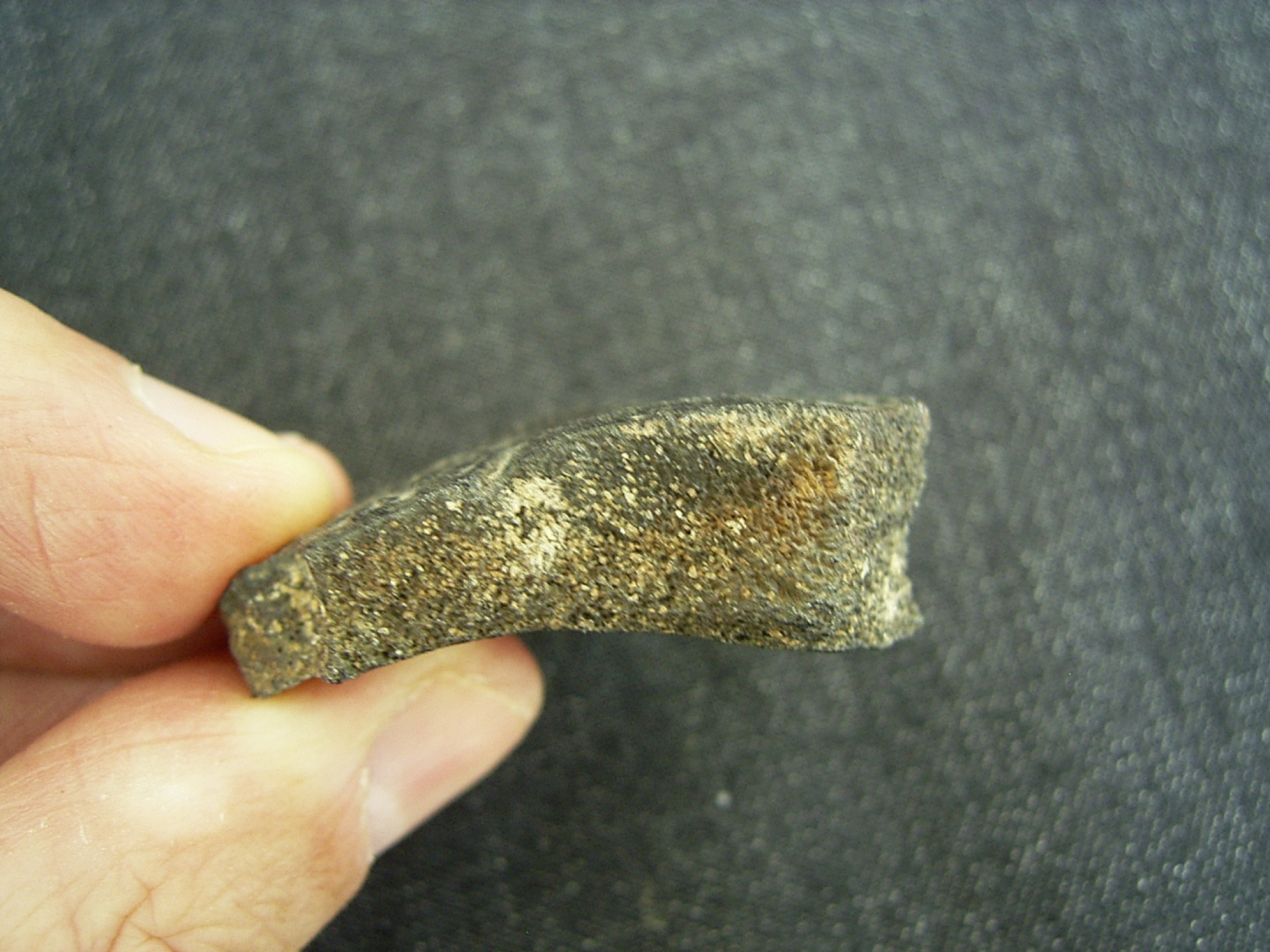
Turtle bone Pappochelys rosinae from the Triassic period
The grandmother of all turtles was discovered in the quarries of Vellberg-Eschenau in Germany
A turtle fossil from Vellberg is a piece from the very birth of one of the most successful animal groups in Earth's history.
This is the first time we are able to offer a fossil of this species. We have only this one piece, so don't miss out!
SOLD
The grandmother of all turtles was discovered in the quarries of Vellberg-Eschenau in Germany
- Scientific Name: Pappochelys rosinae (Greek for grandfather turtle).
- Age: Lower Keuper (Ladinian, Middle Triassic), approx. 240 million years old.
- Significance: Pappochelys is a "missing link." It did not yet have a fully closed shell like modern turtles, but instead possessed broadened ribs and a bony plate on the belly. It proves the descent of turtles from lizard-like ancestors.
- Formation: The finds originate from the Erfurt Formation (Lettenkeuper), mostly from the fine-grained, dark claystones of a prehistoric lake (the Vellberg Lake).
- Fossils: Findings usually consist of isolated bones or, rarely, connected skeletal parts. The bones are often deep black or dark brown, standing out clearly against the gray rock.
- Important Note: The site is now protected as a cultural heritage monument, and no new finds from this location are entering the market. This fossil comes from an old collection.
- Size and Condition: The bone is unbroken and free of any manipulations. It measures approximately 4 x 4 x 1.5 cm.
A turtle fossil from Vellberg is a piece from the very birth of one of the most successful animal groups in Earth's history.
This is the first time we are able to offer a fossil of this species. We have only this one piece, so don't miss out!
SOLD
Categories
Last viewed: