- Customer group: Guest
-


- Home

- Details
- More images
Products description
Prehistoric Hunter: Giant Beak fish (Aspidorhynchus)
A Masterpiece from the Solnhofen Limestone
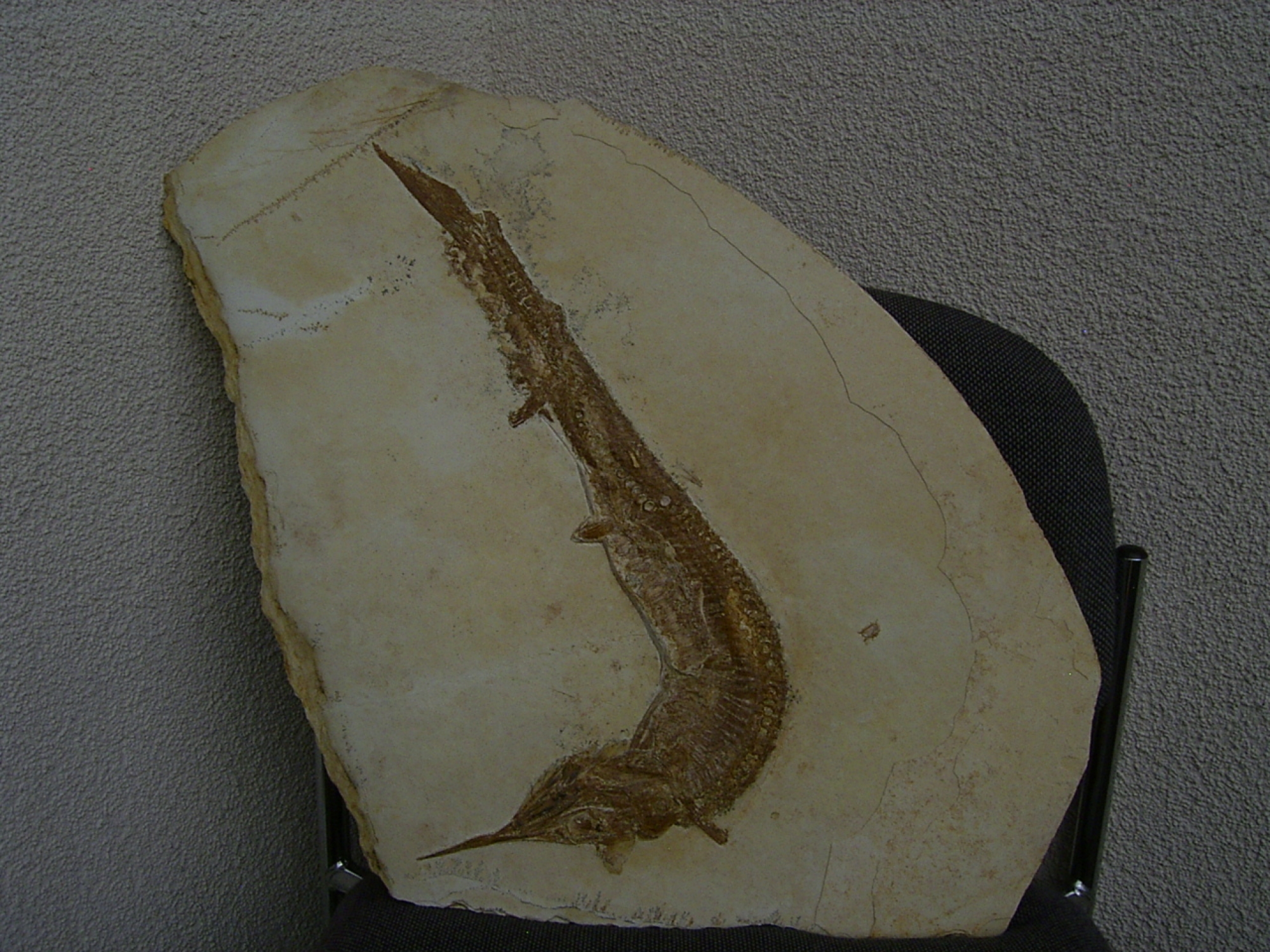
We are proud to present an extraordinary specimen for lovers of Bavarian geological history: an imposing, large-scale beak fish of the genus Aspidorhynchus. Discovered in the world-renowned limestone layers of Solnhofen/Eichstaett, this fossil impresses with its sheer size and dynamic preservation.
Solnhofen: The End of an Era? Why Top-Tier Fossils are Becoming Rare
An Insight into the Current Situation in the Altmuehltal Region
The Solnhofen limestone is legendary worldwide – it gave us the Archaeopteryx and perfectly preserved pterosaurs. However, for collectors and enthusiasts of these Bavarian treasures, a drastic change is occurring: Finding opportunities are rapidly disappearing.
Reasons for the Scarcity:
Fossils from Solnhofen are now, more than ever, a solid investment. A large-scale beak fish or a perfectly preserved crustacean is no longer just a decorative object – it is an irreplaceable document of Earth's history, whose market value continues to rise as supply diminishes.
A Masterpiece from the Solnhofen Limestone
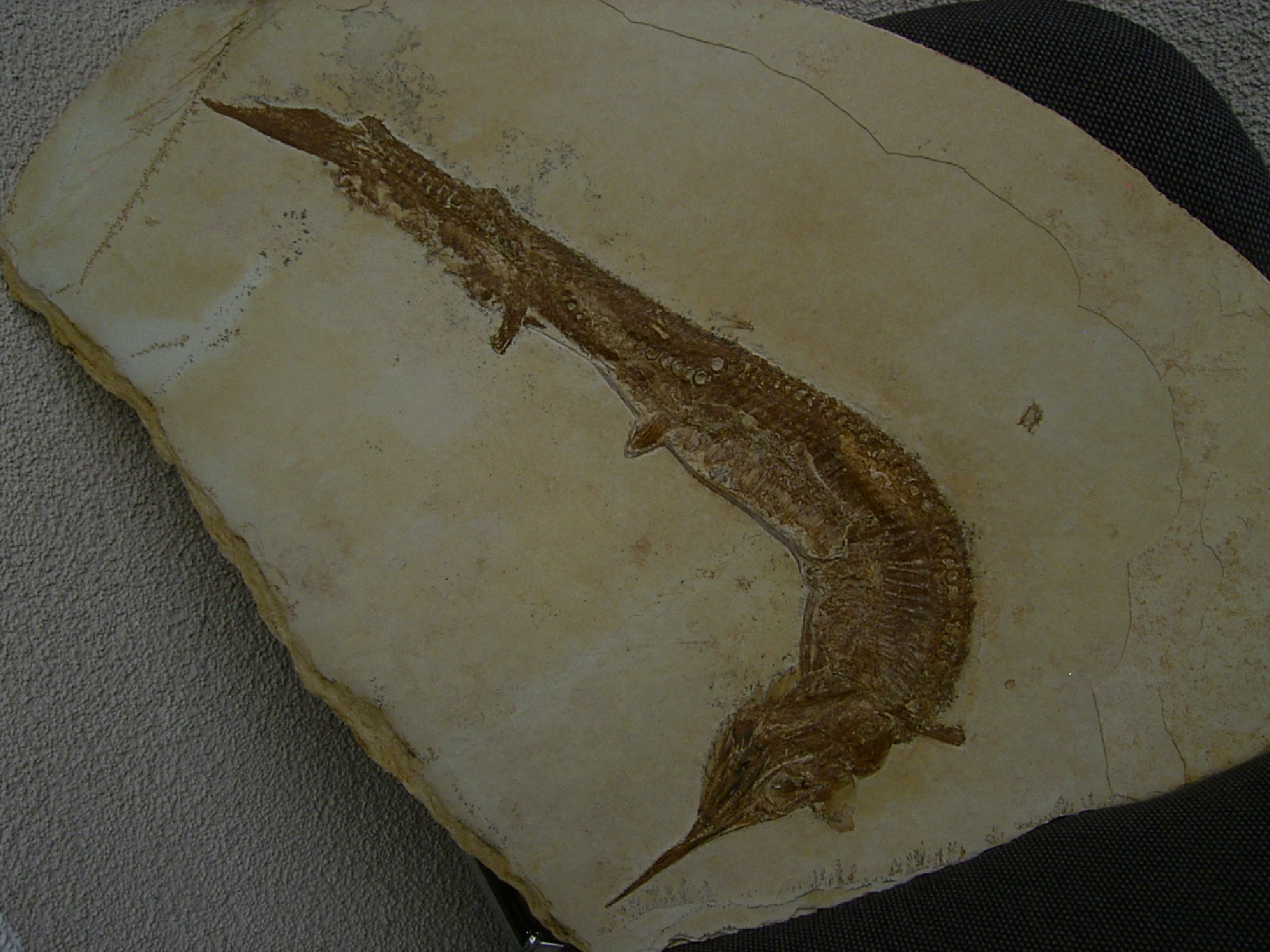
We are proud to present an extraordinary specimen for lovers of Bavarian geological history: an imposing, large-scale beak fish of the genus Aspidorhynchus. Discovered in the world-renowned limestone layers of Solnhofen/Eichstaett, this fossil impresses with its sheer size and dynamic preservation.
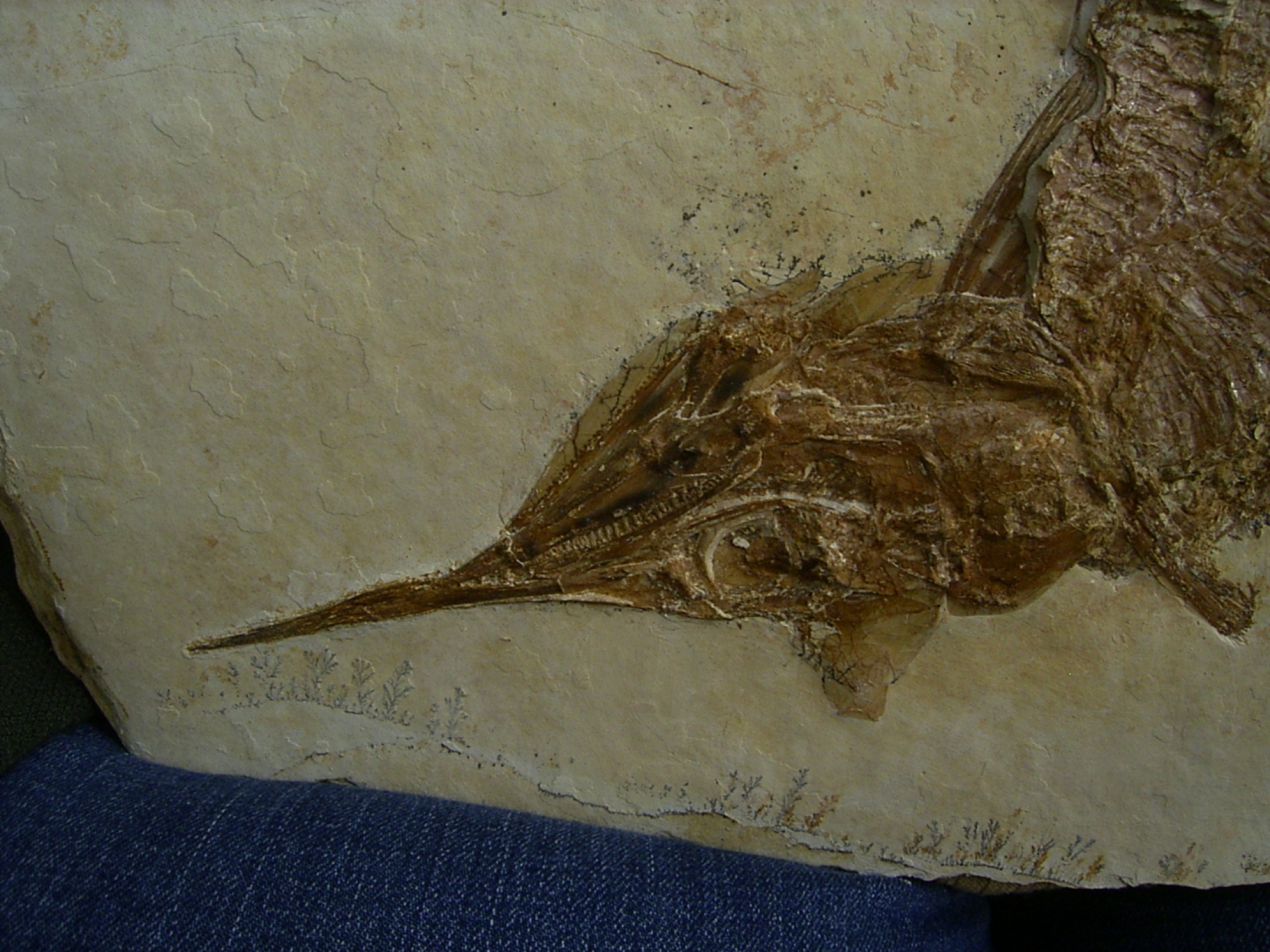
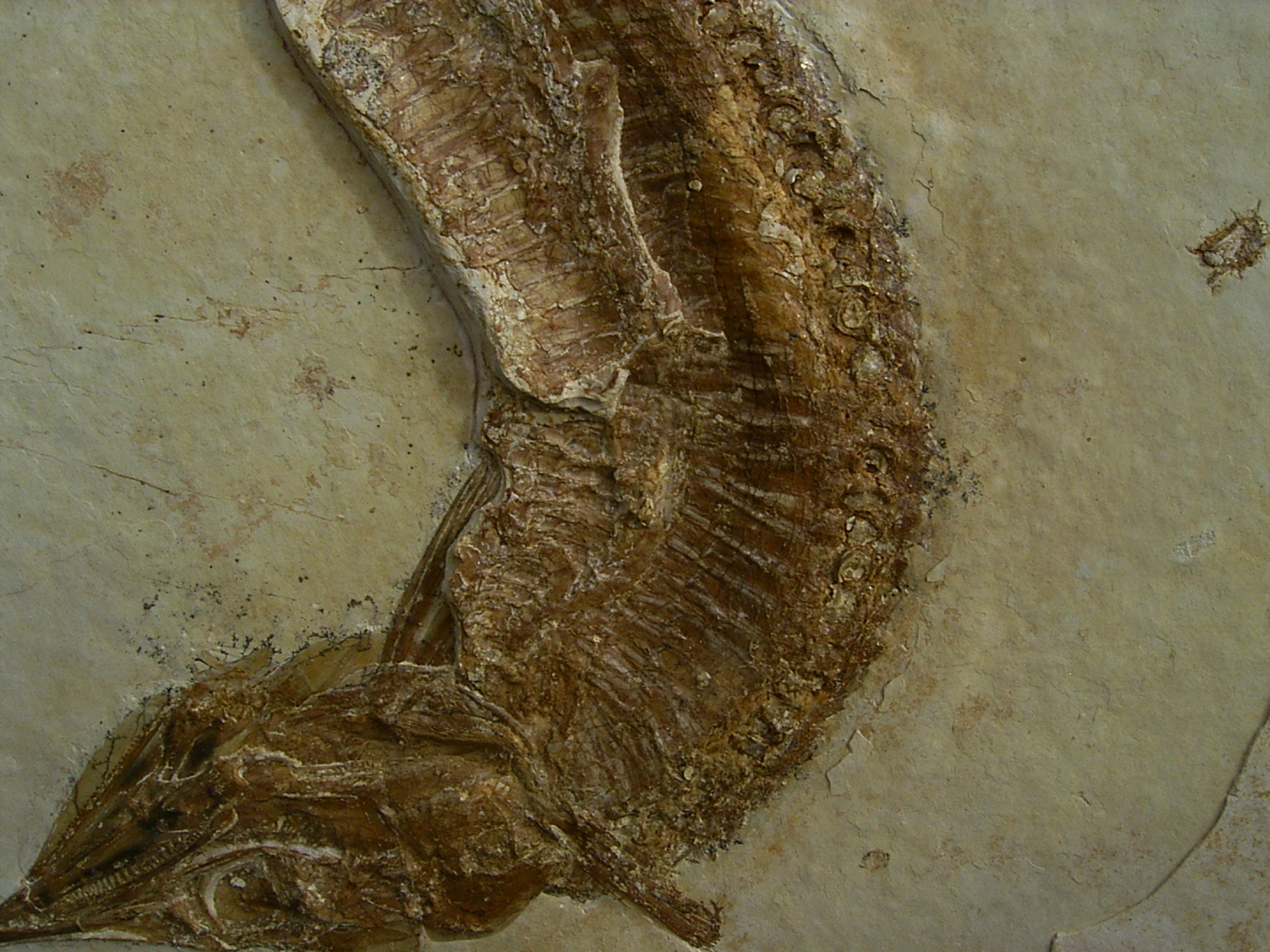
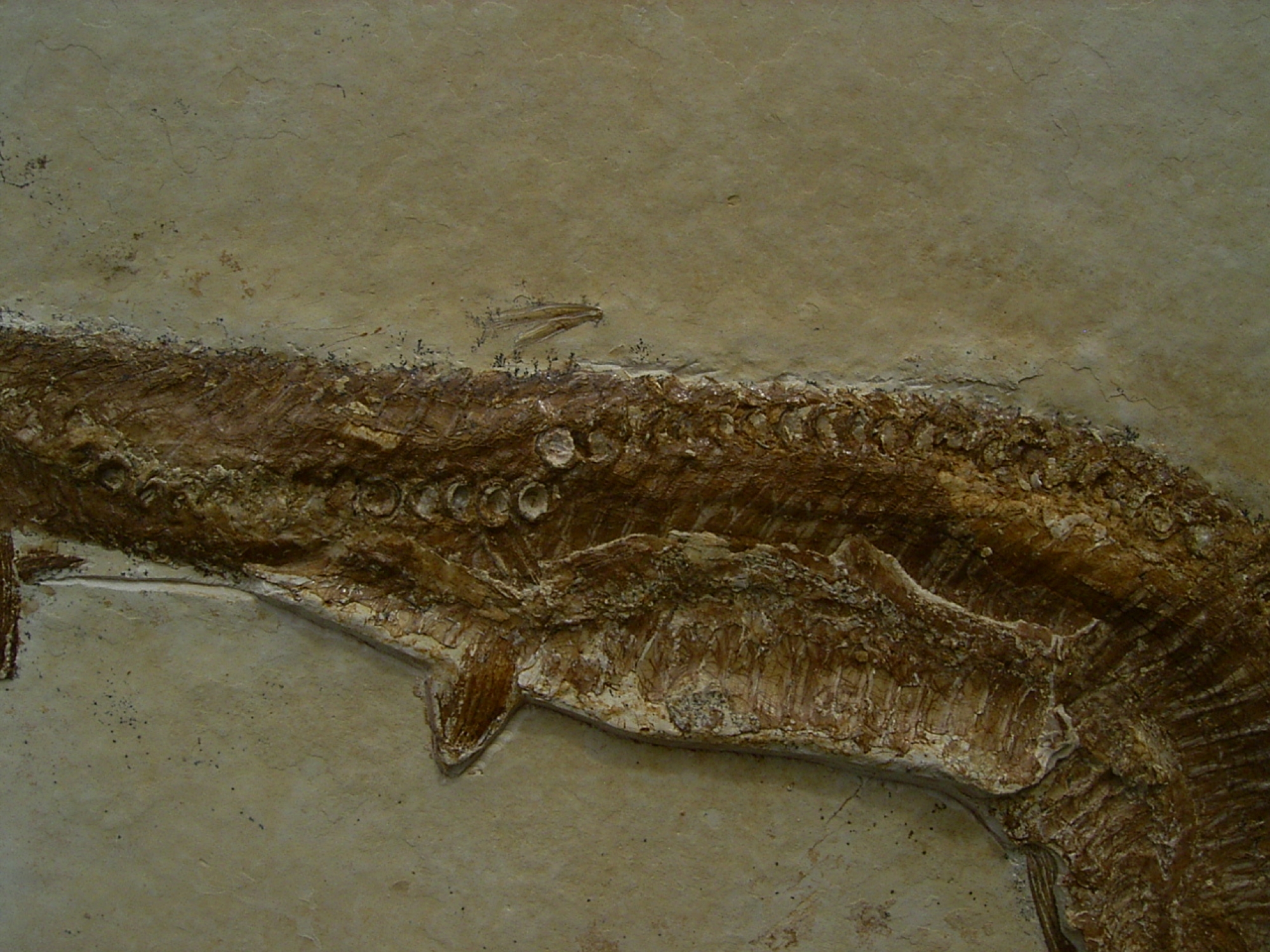
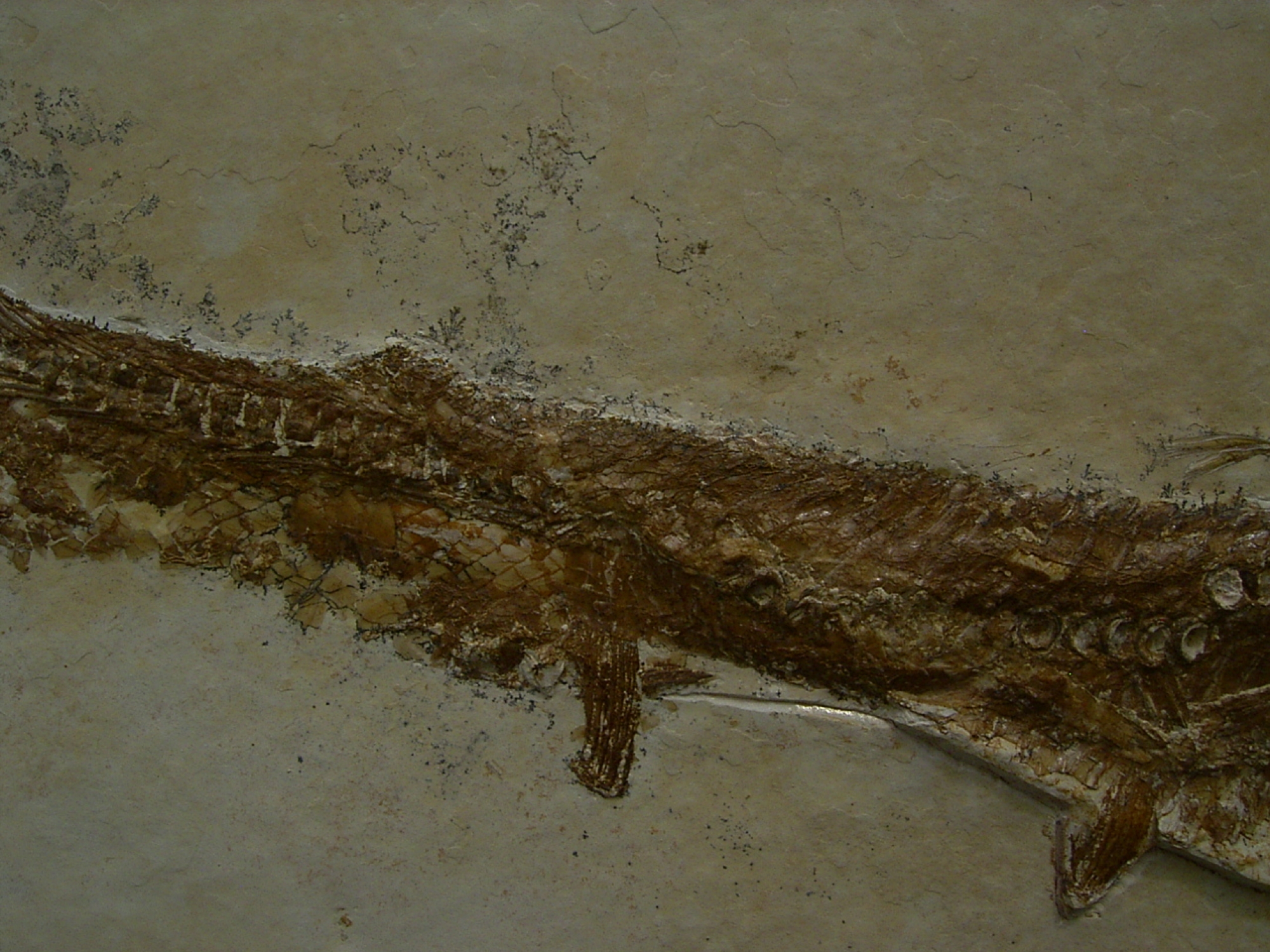
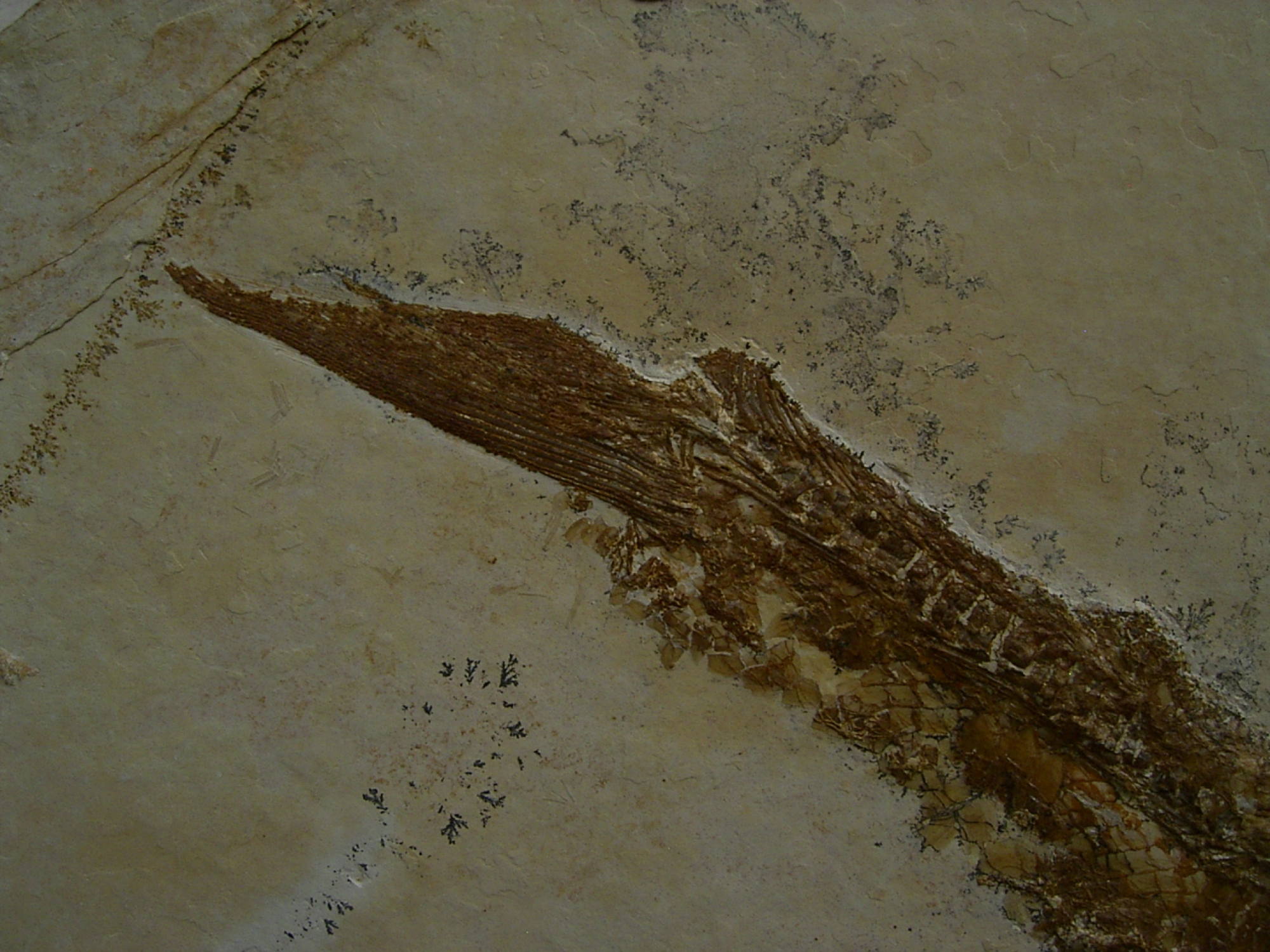
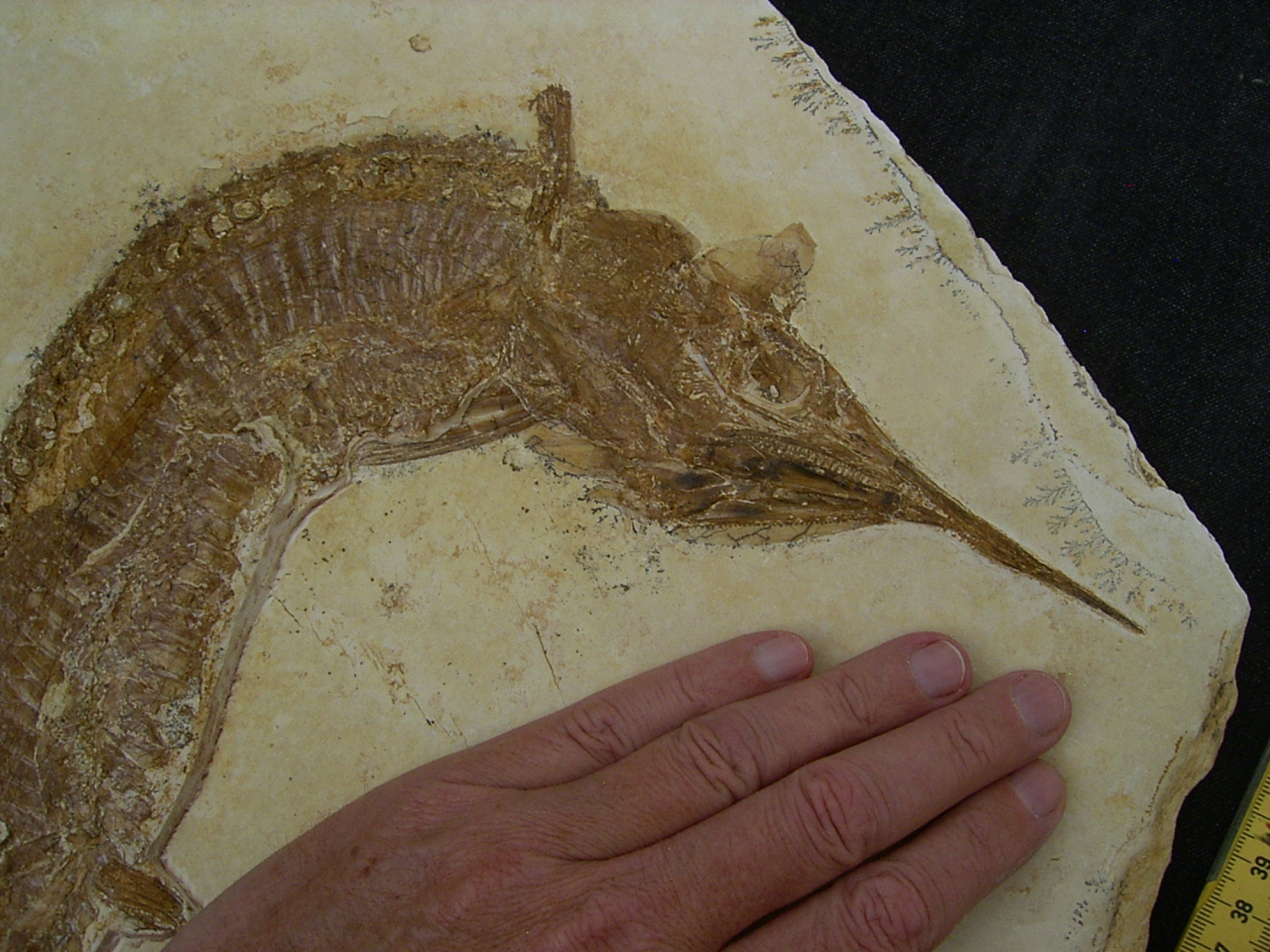
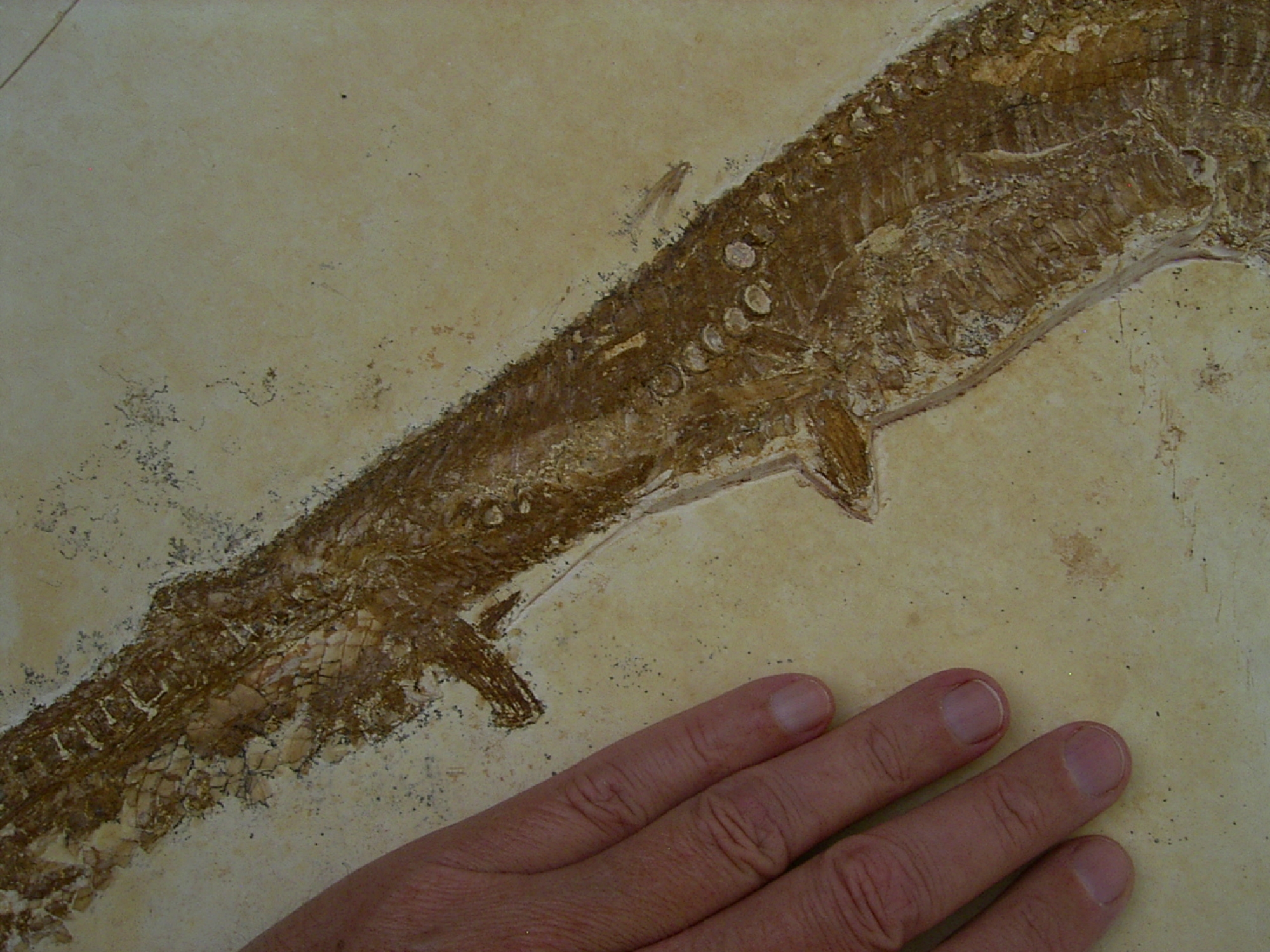
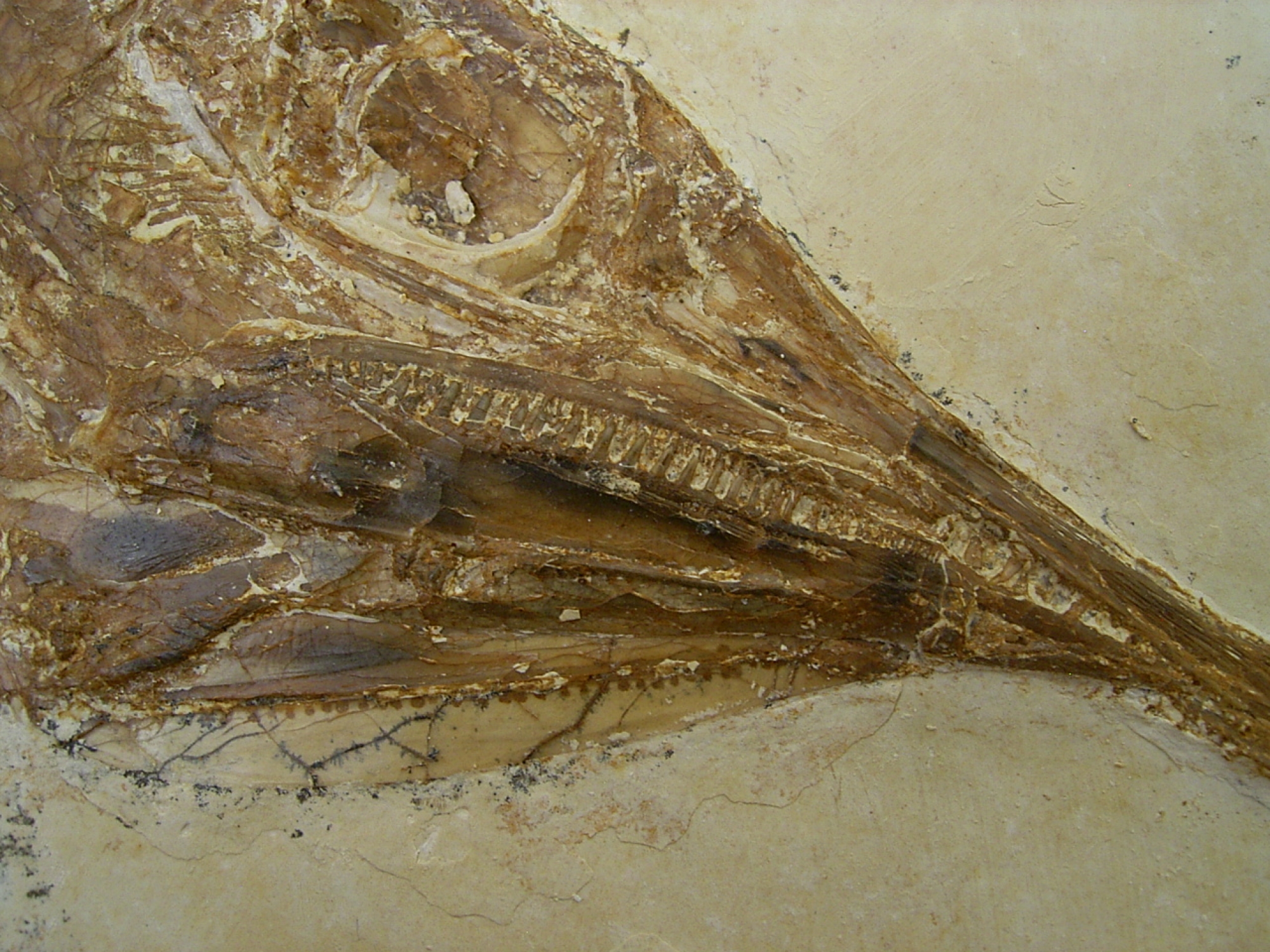
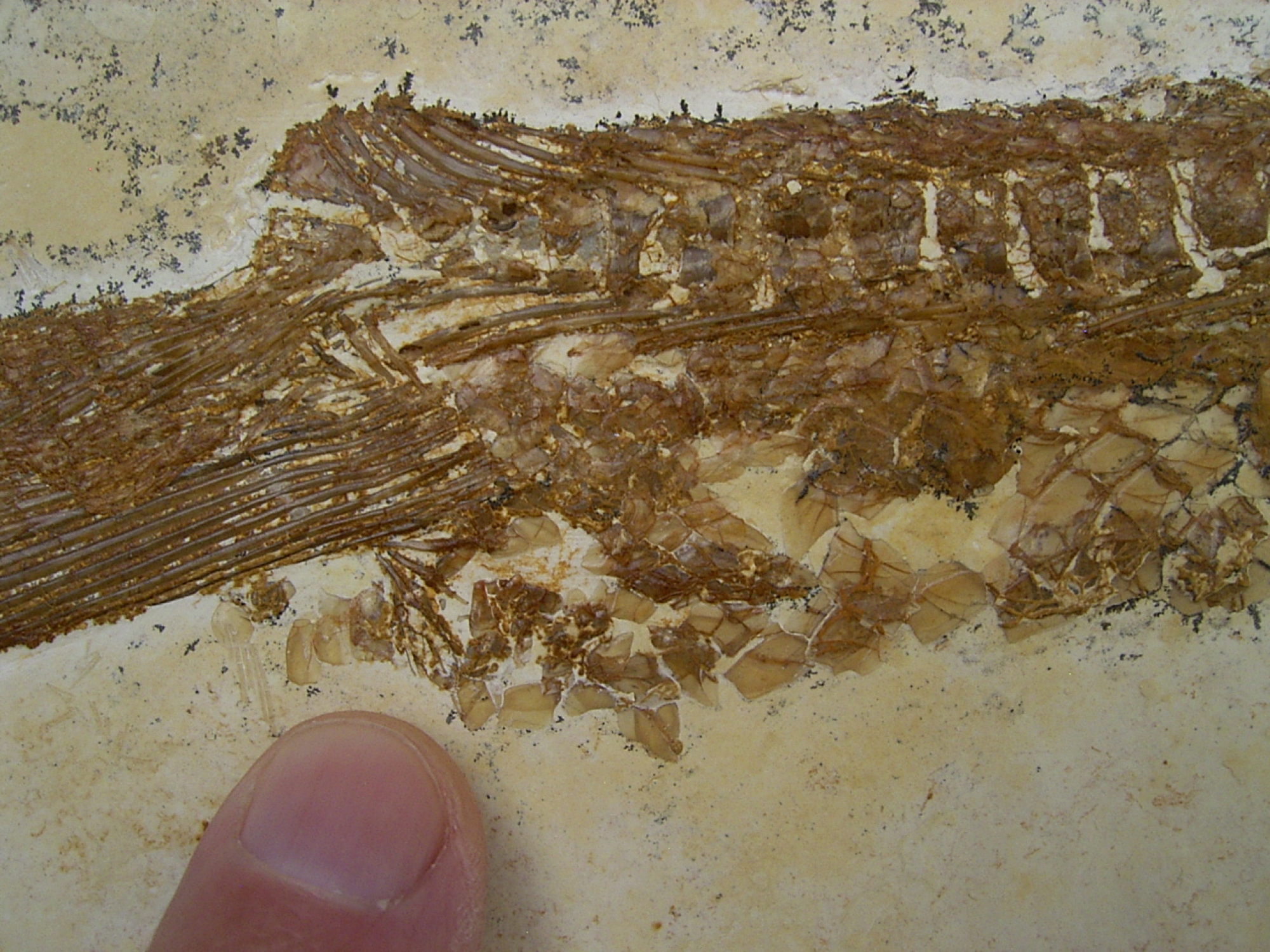
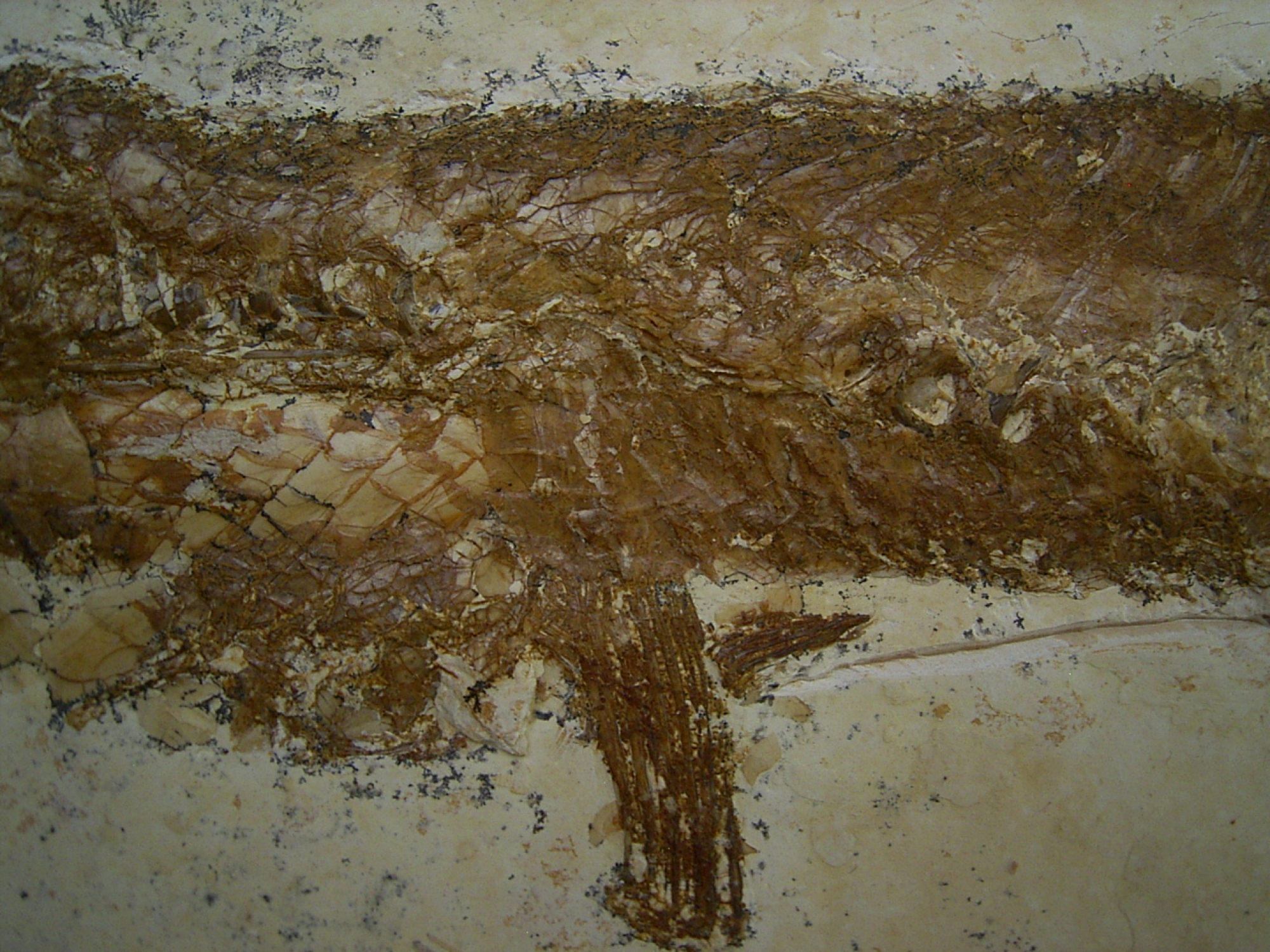
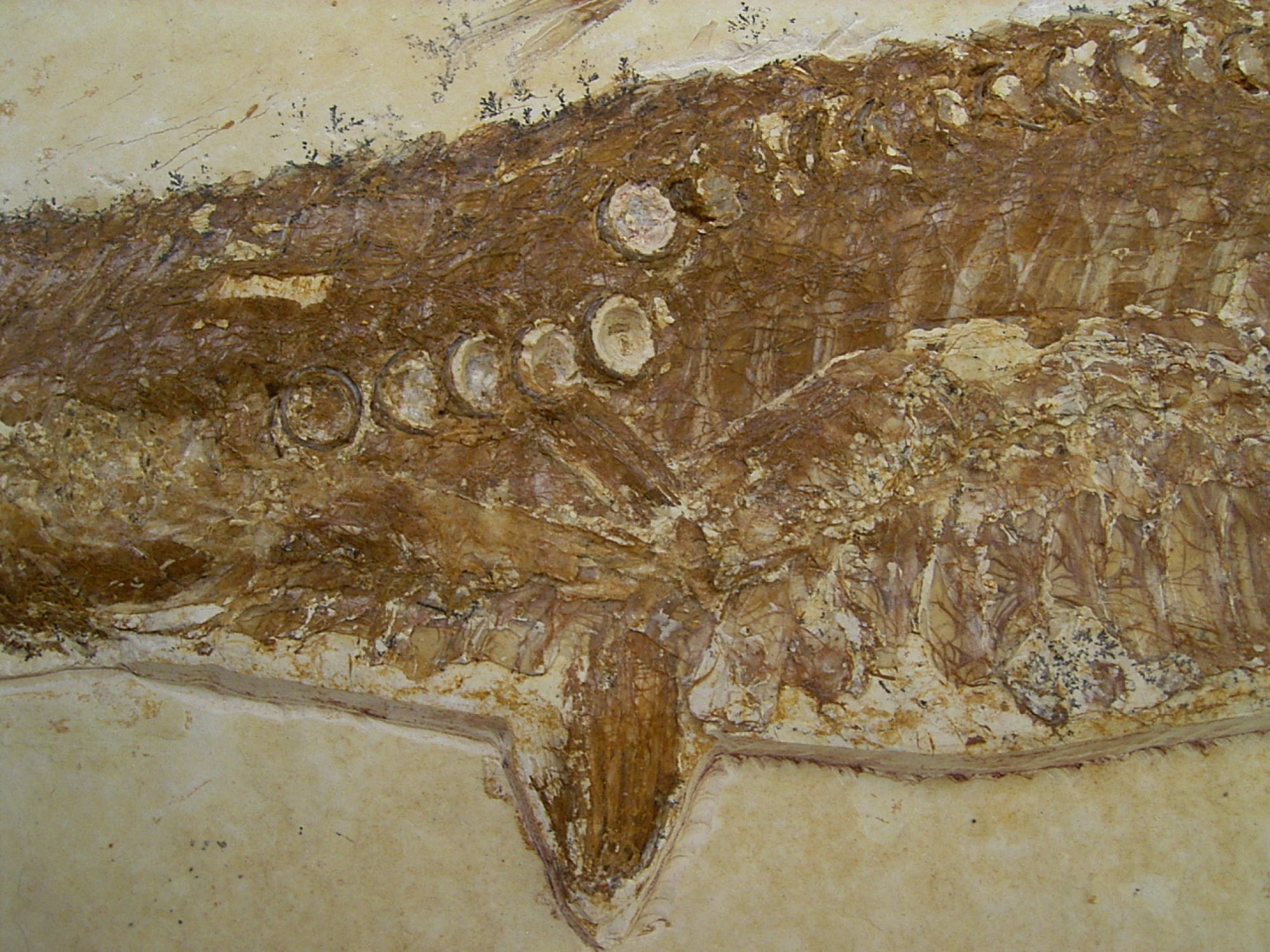
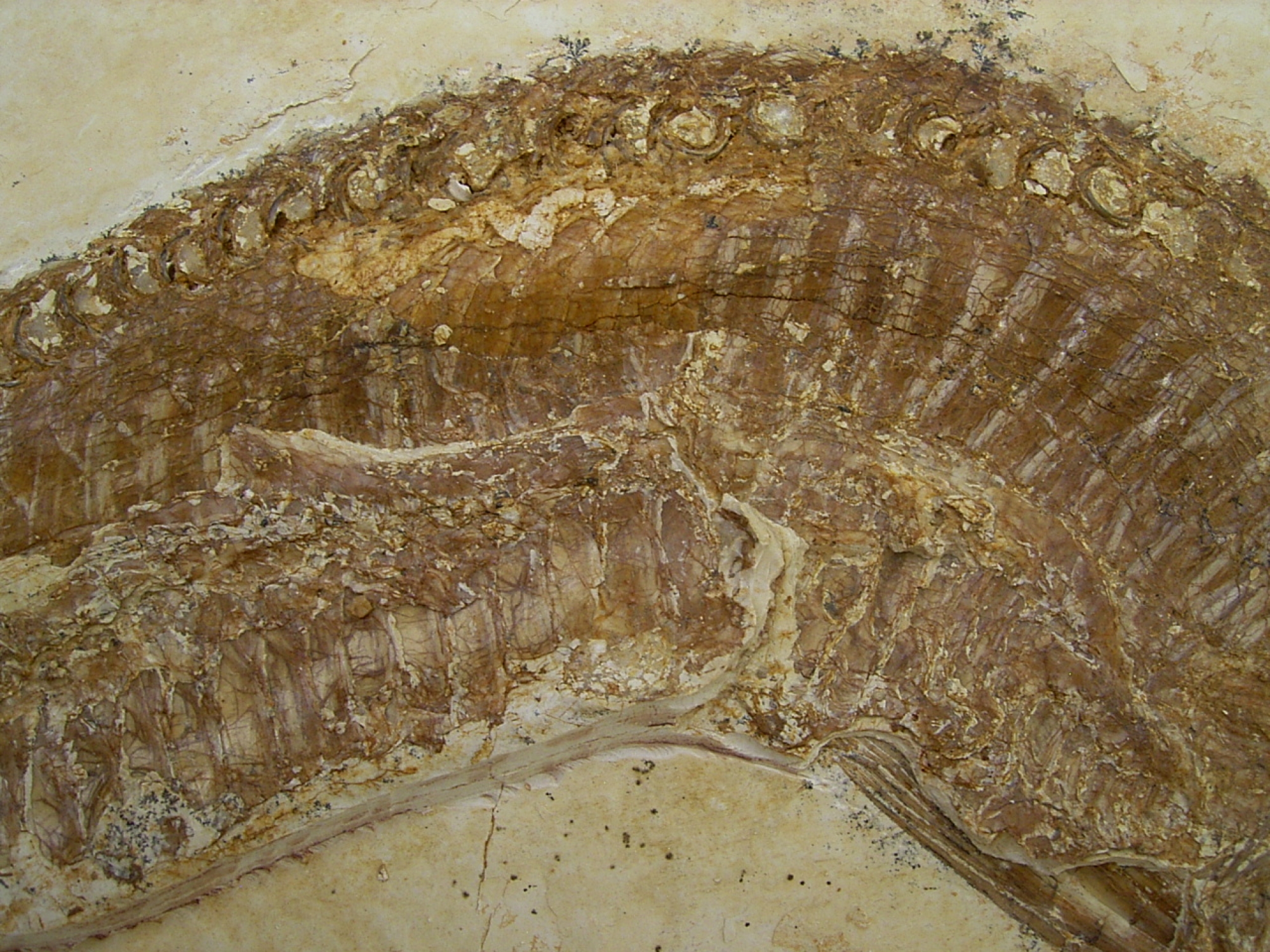
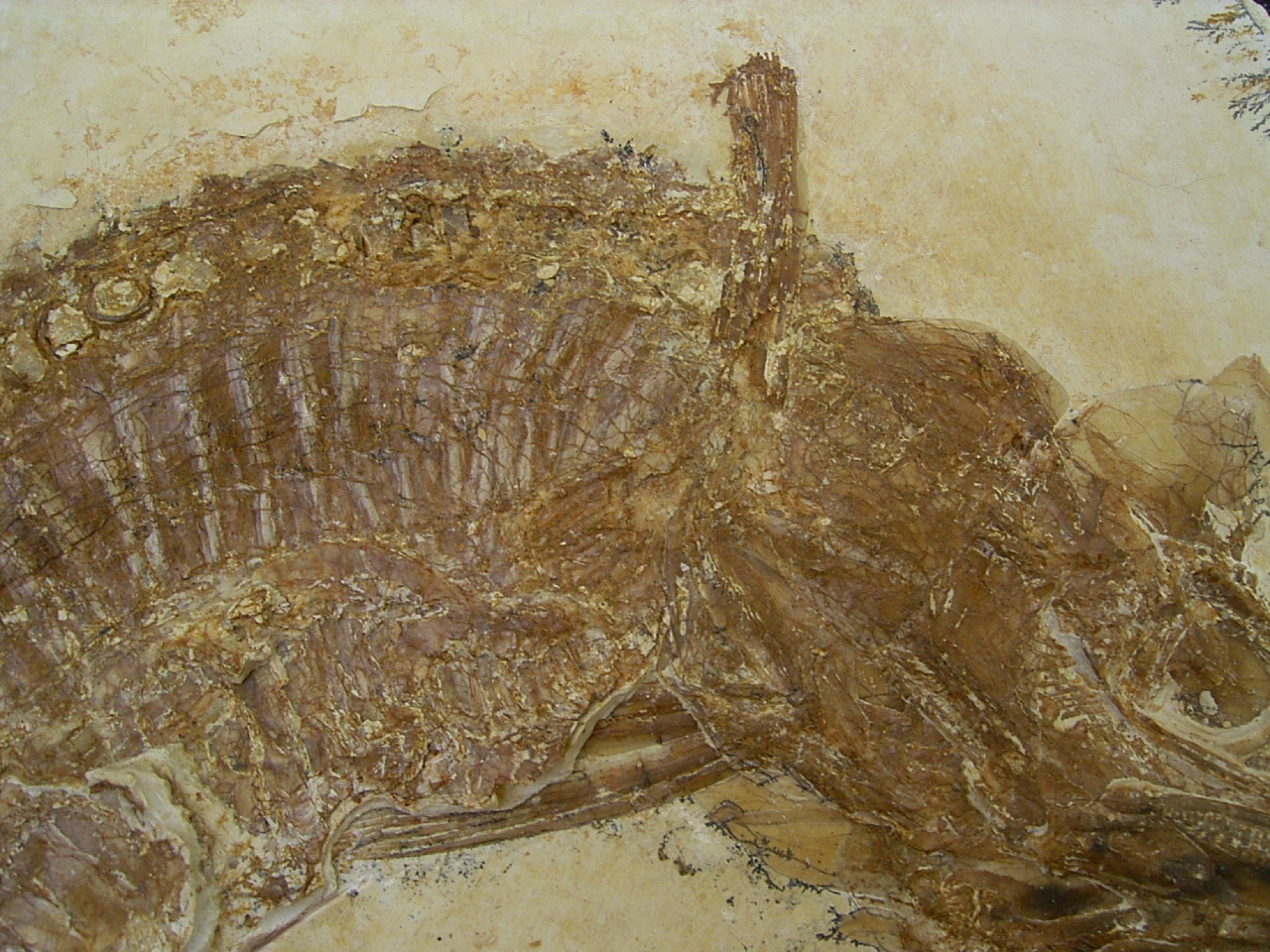
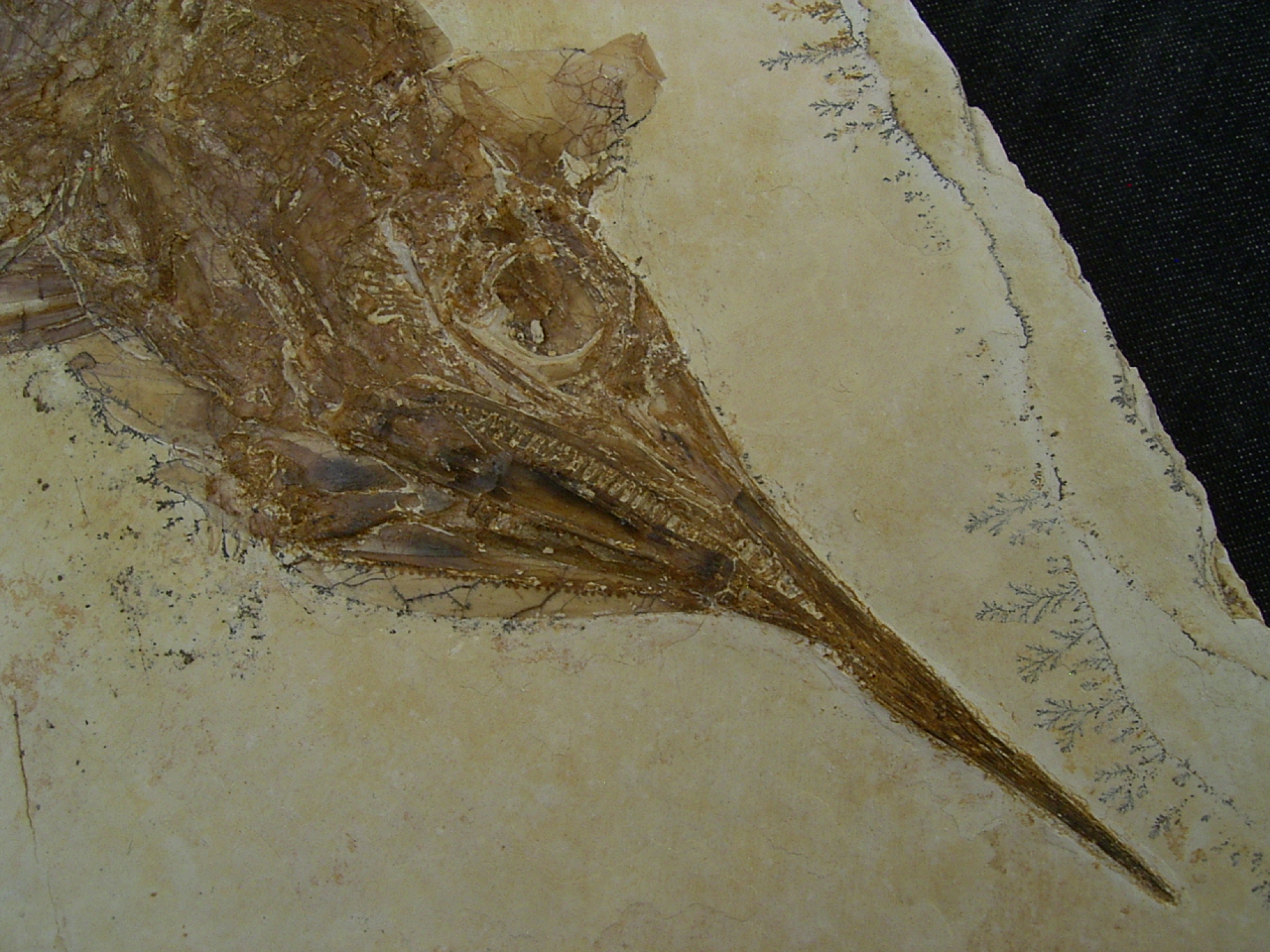
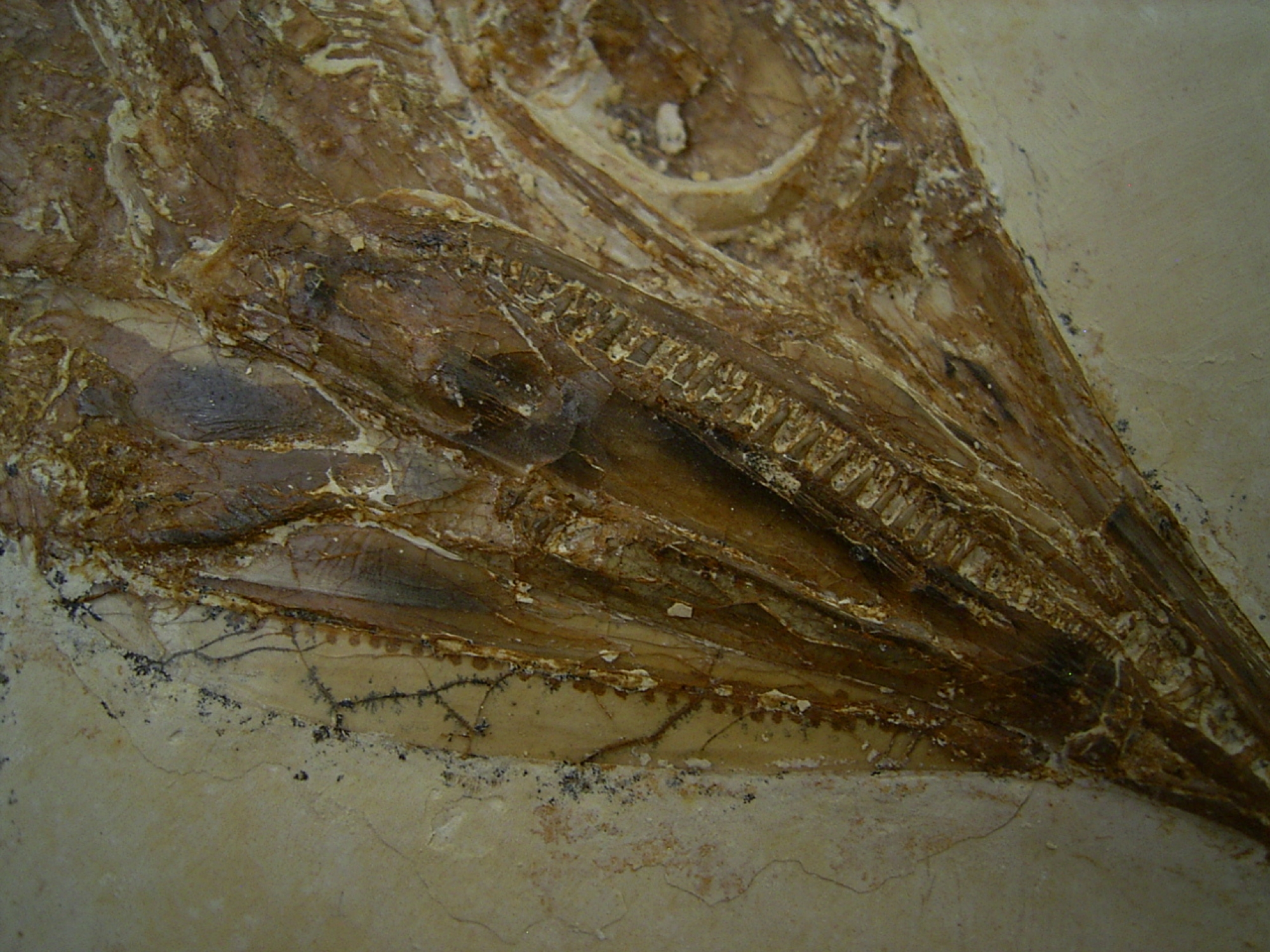
- Characteristic Anatomy: The prominent, pointed rostrum (the "beak") and the massive ganoid scales are preserved with outstanding detail.
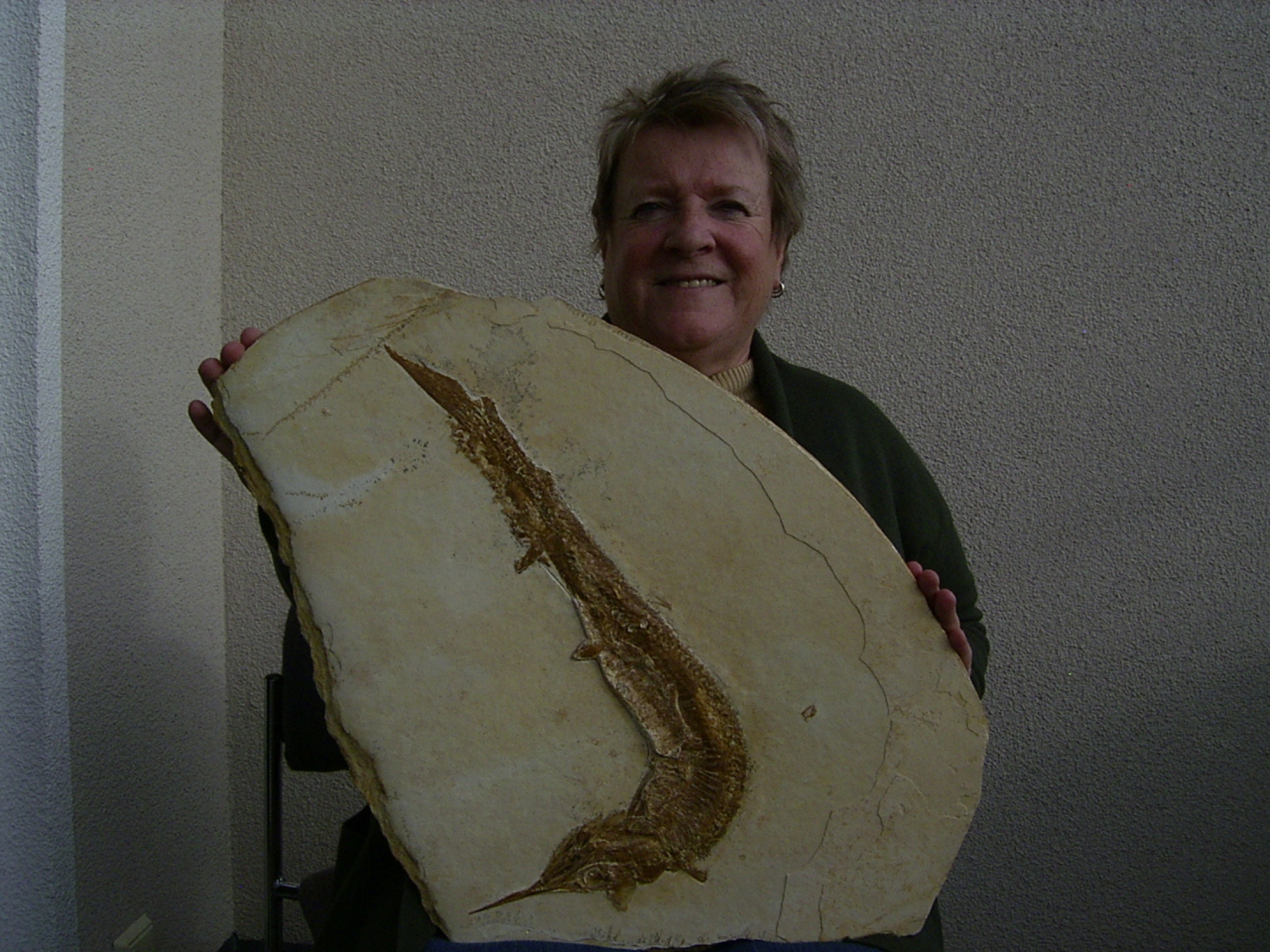
- Impressive Scale: With its stately length, this fish is a dominant centerpiece that immediately draws all eyes.
- Top-Tier Preparation: This specimen was meticulously exposed from the matrix over many hours of careful work. Fine details, such as the impressive dentition (teeth), are now revealed in 3D-like detail.
- Stunning Contrast: The dark brown color of the fossil stands out beautifully against the light-colored limestone plate.
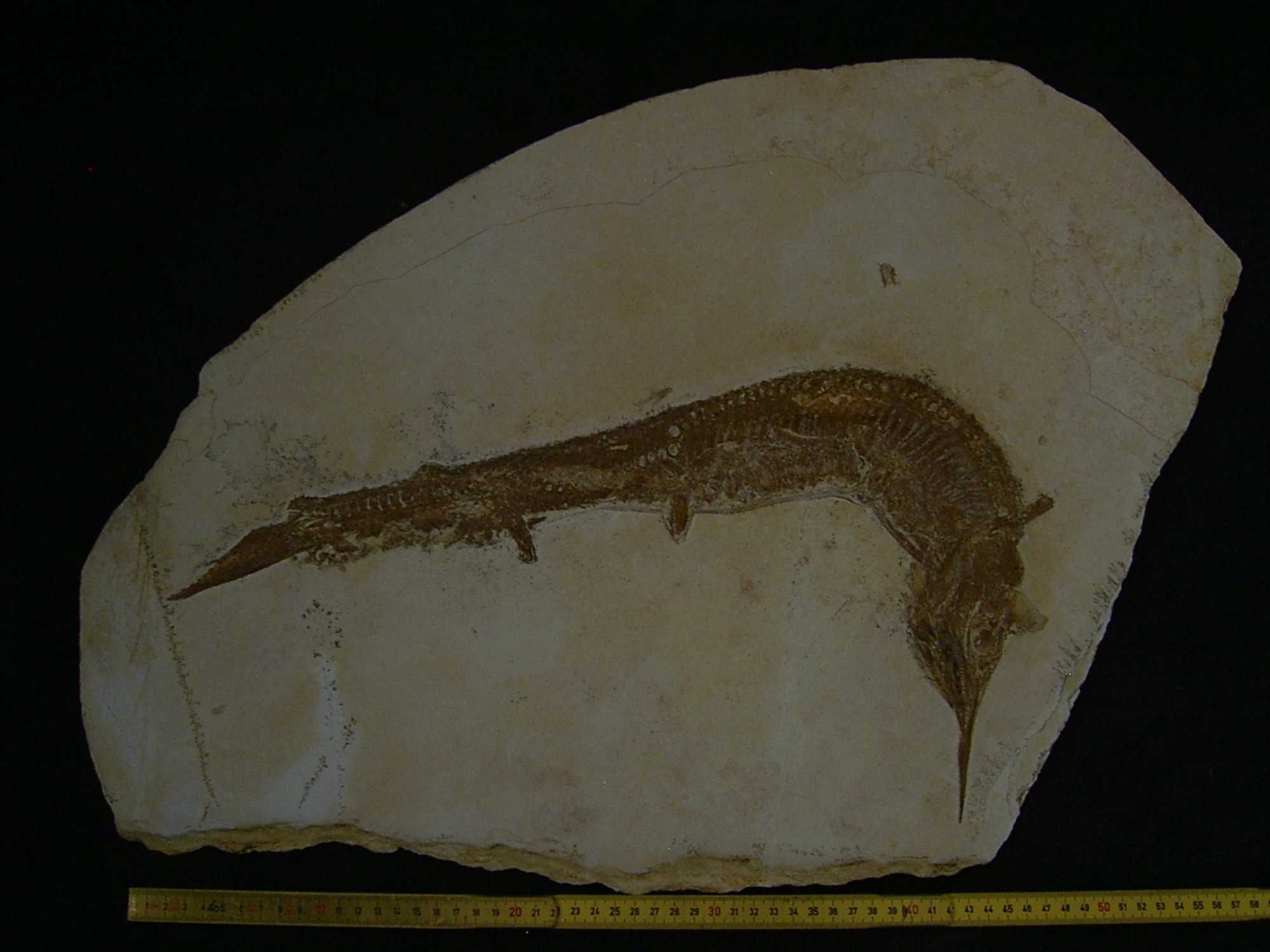
- Prime Position: The fossil is attractively centered on an unbroken, original stone slab.
- Species: Aspidorhynchus acutirostris
- Age: approx. 150 million years (Upper Jurassic / Malm Zeta 2b)
- Location: Wintershof near Eichstaett (Bavaria, Germany)
- Imposing Size: The fish has a length of approximately 60 cm (measured outstretched). The stone measures approximately 50 x 48 x 1.2 cm.
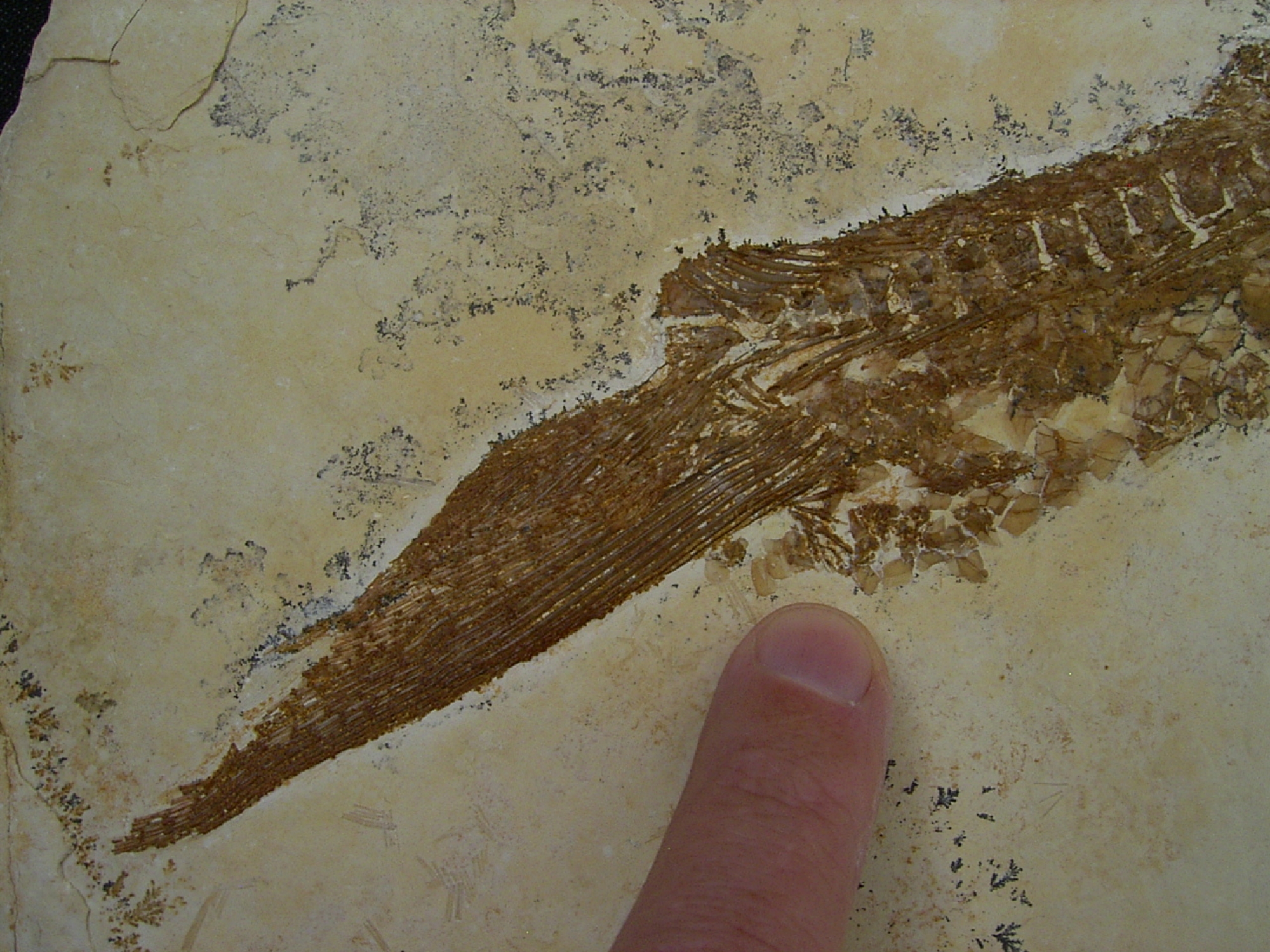
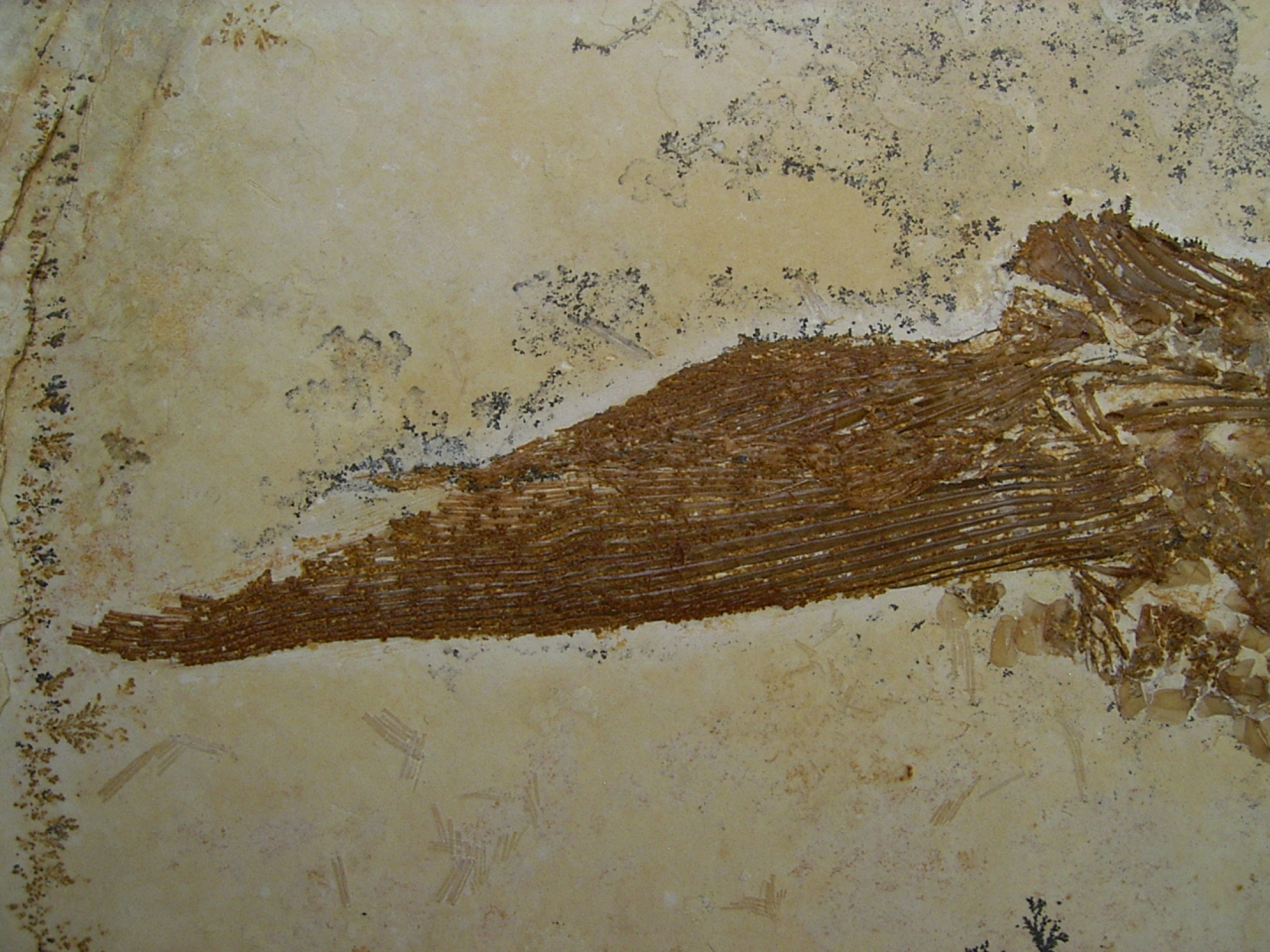
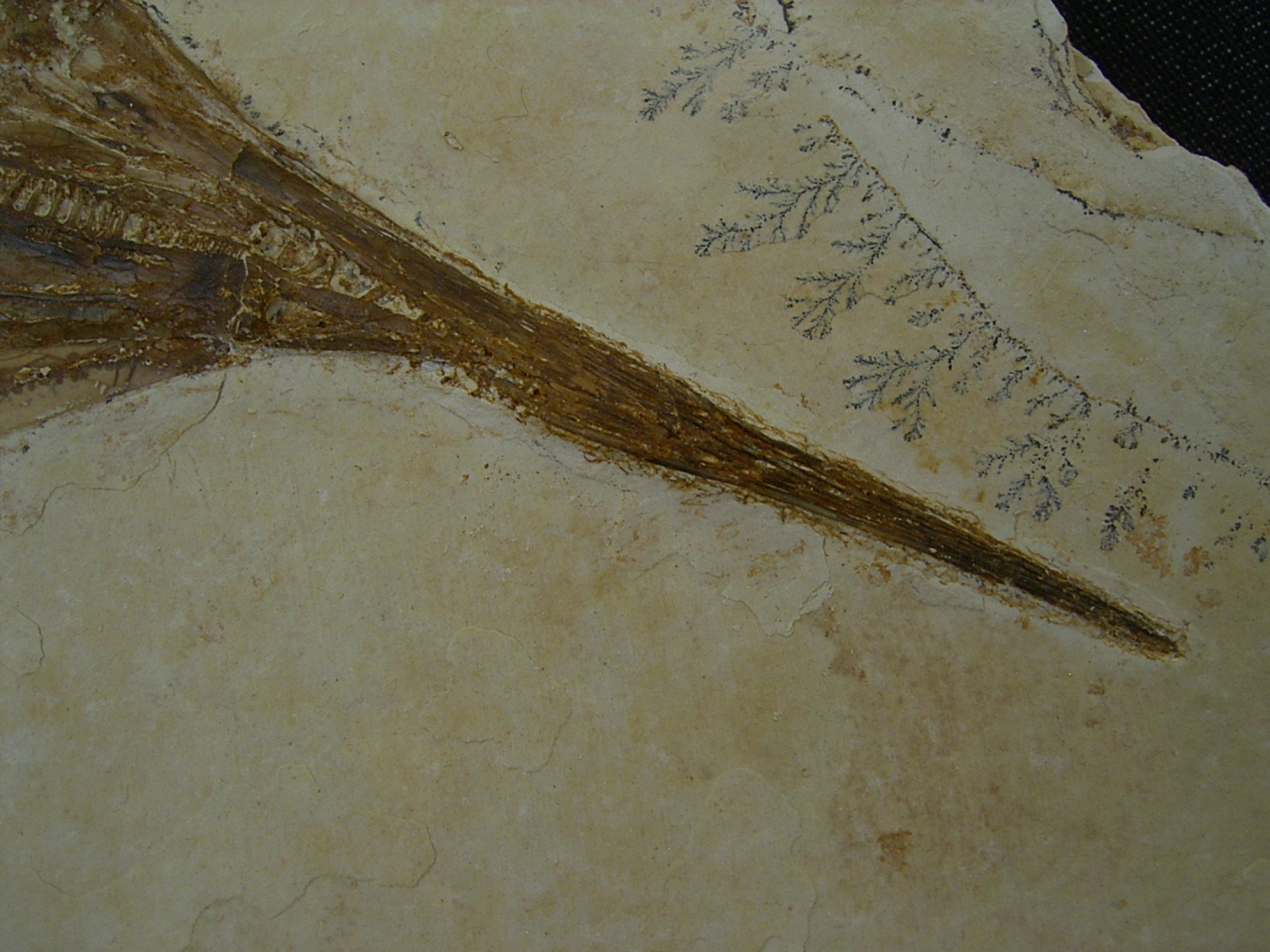
- Condition: The fish is completely preserved and not disarticulated. The left side of the tail fin is folded over and lies beneath the body, with the ends of the fin rays peeking out from under the right side of the body.
- Honest and High-Quality Museum Piece: 100% original substance, no reconstructions!
Solnhofen: The End of an Era? Why Top-Tier Fossils are Becoming Rare
An Insight into the Current Situation in the Altmuehltal Region
The Solnhofen limestone is legendary worldwide – it gave us the Archaeopteryx and perfectly preserved pterosaurs. However, for collectors and enthusiasts of these Bavarian treasures, a drastic change is occurring: Finding opportunities are rapidly disappearing.
Reasons for the Scarcity:
- Closure of Traditional Quarries: Many of the classic quarries around Solnhofen and Eichstaett have ceased active operations in recent years or switched to industrial gravel production, where fossils are mechanically destroyed.
- Strict Regulations: New environmental directives and stricter excavation laws (Cultural Heritage Protection) have significantly restricted access to fossil-bearing layers.
- Limited Resources: High-quality "Faeulen" (the thin, fossil-rich layers) are becoming exhausted. Most premium specimens entering the market today come from old private collections or painstaking manual labor in the few remaining public quarries.
Fossils from Solnhofen are now, more than ever, a solid investment. A large-scale beak fish or a perfectly preserved crustacean is no longer just a decorative object – it is an irreplaceable document of Earth's history, whose market value continues to rise as supply diminishes.
Categories