- Customer group: Guest
-


- Home

- Details
- More images
Products description
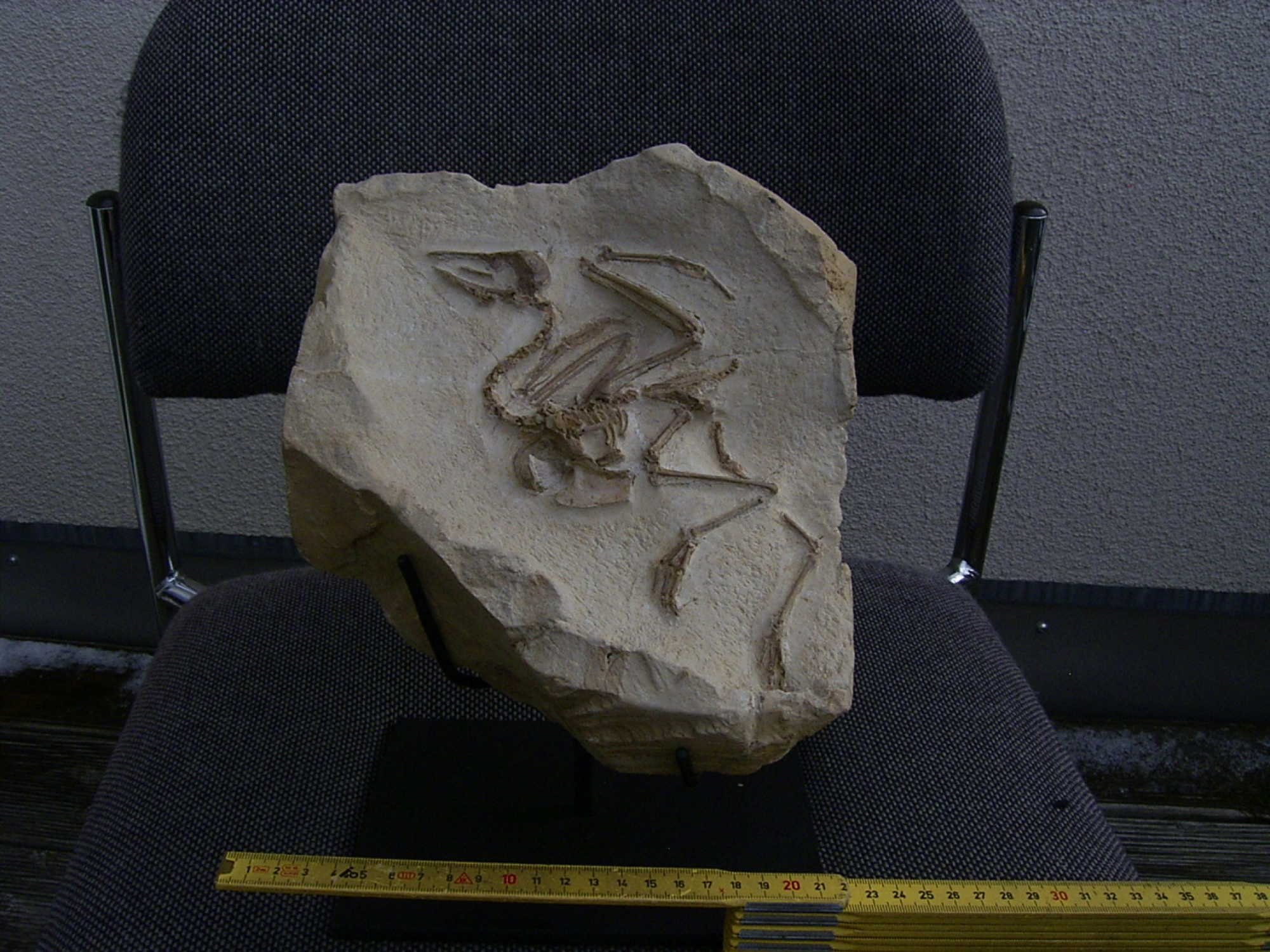
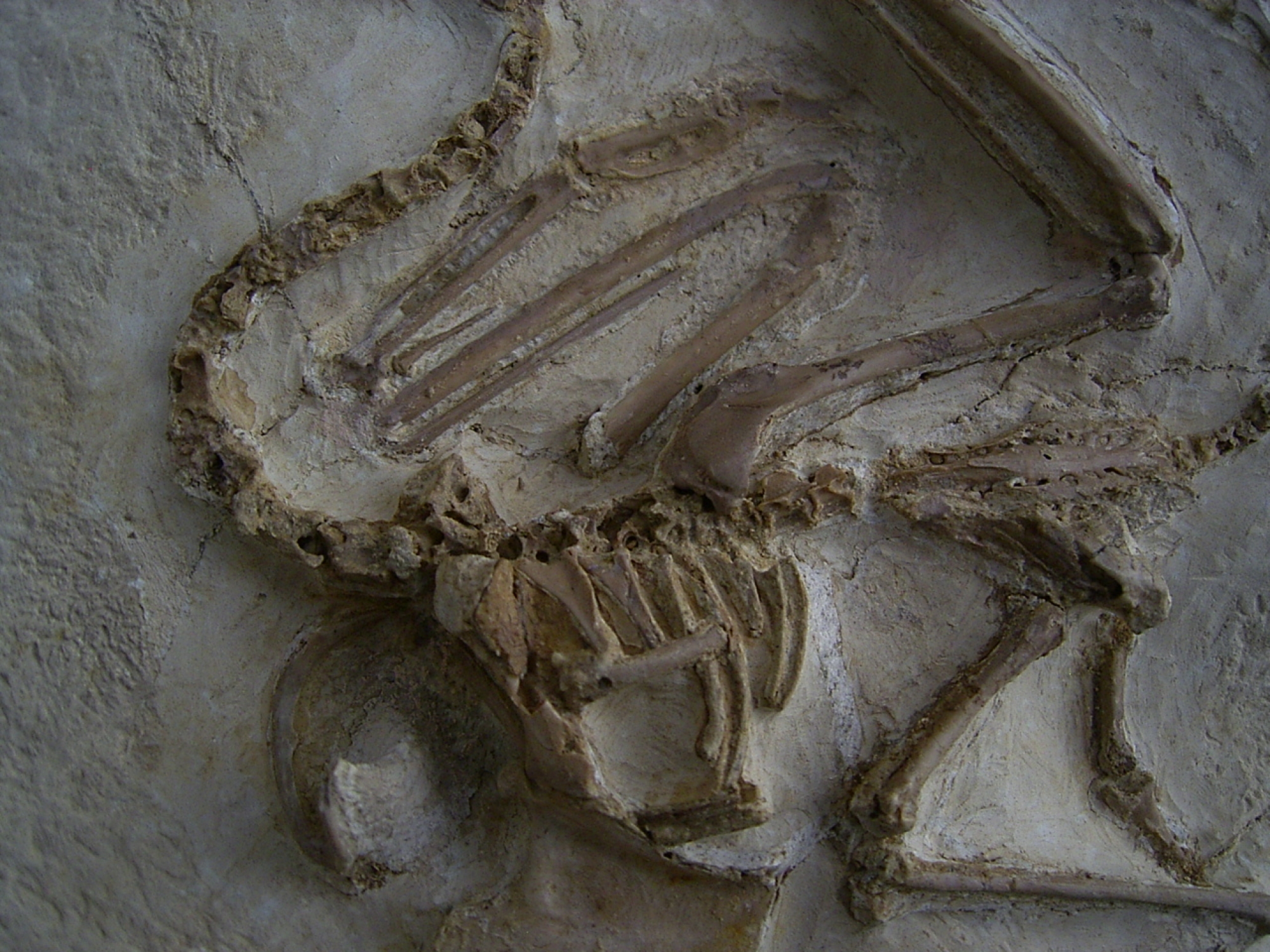
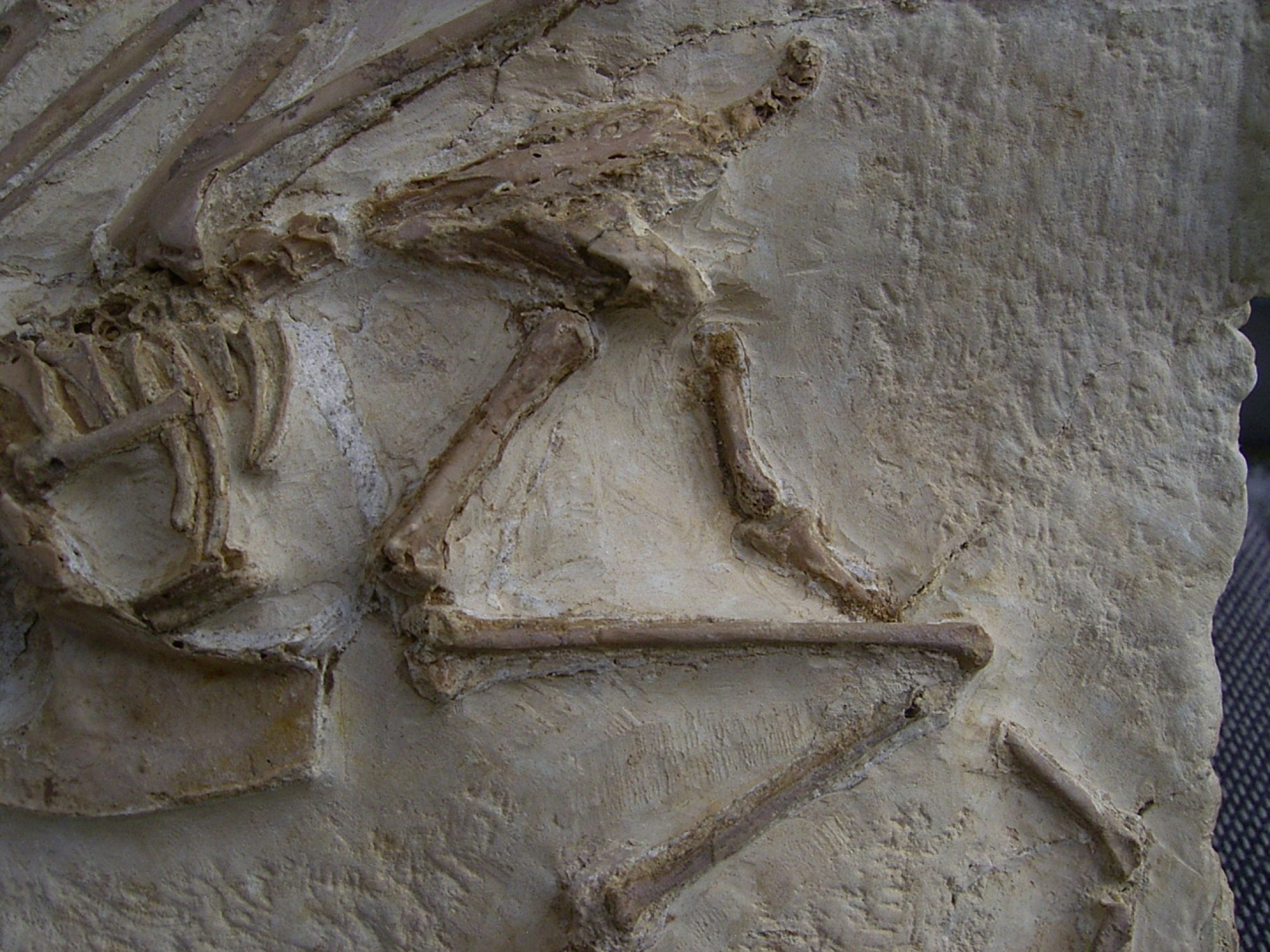
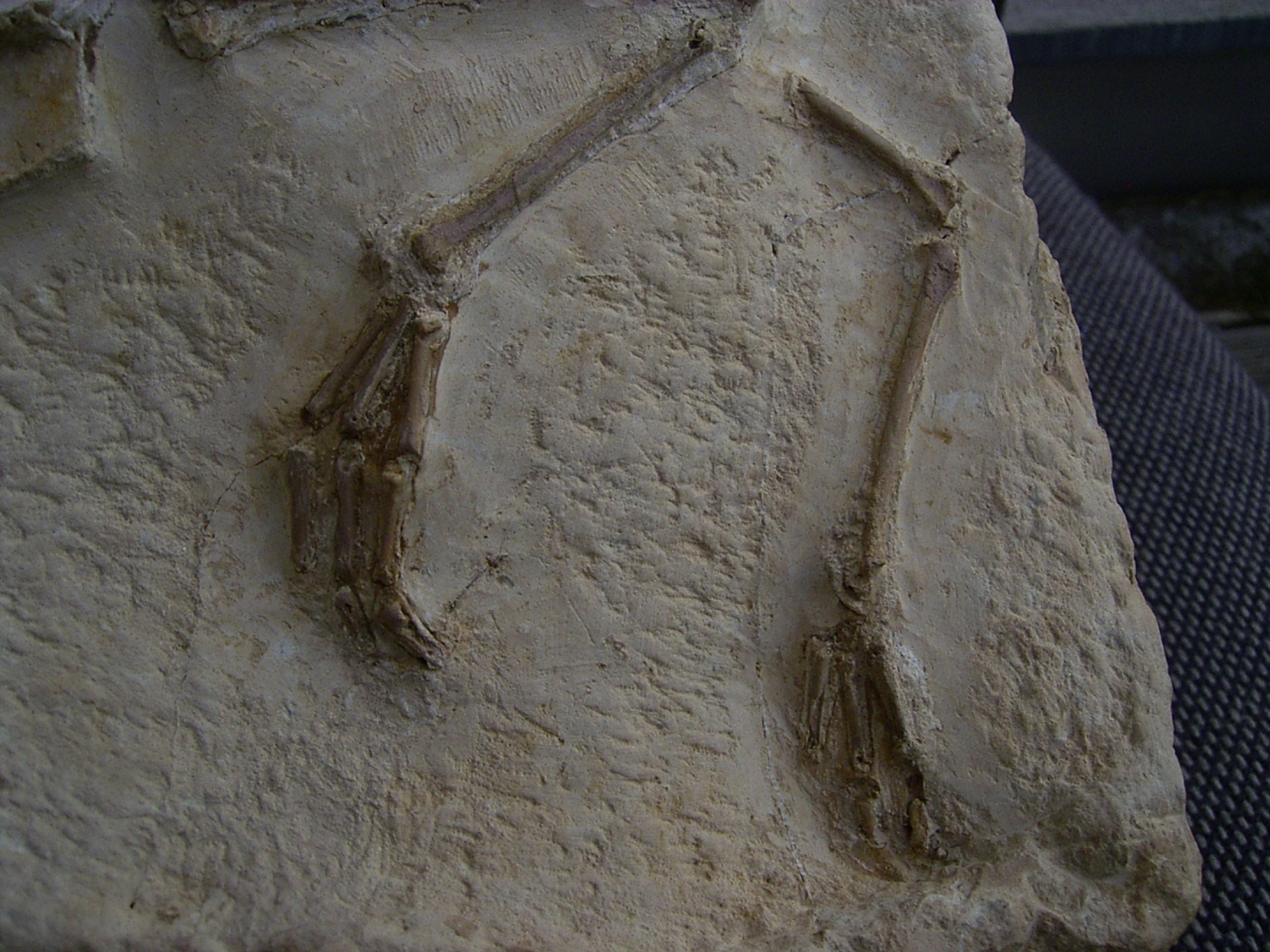
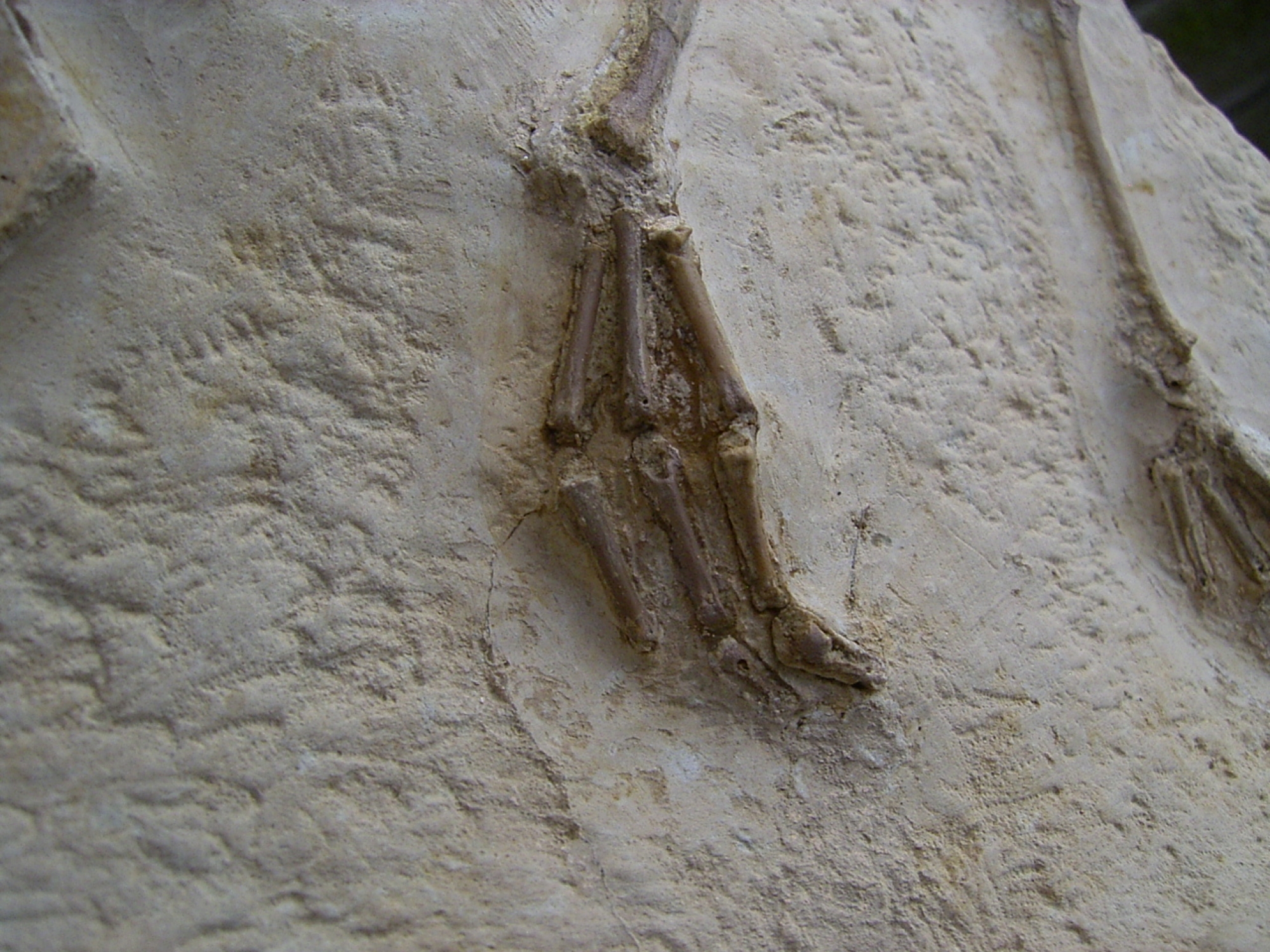
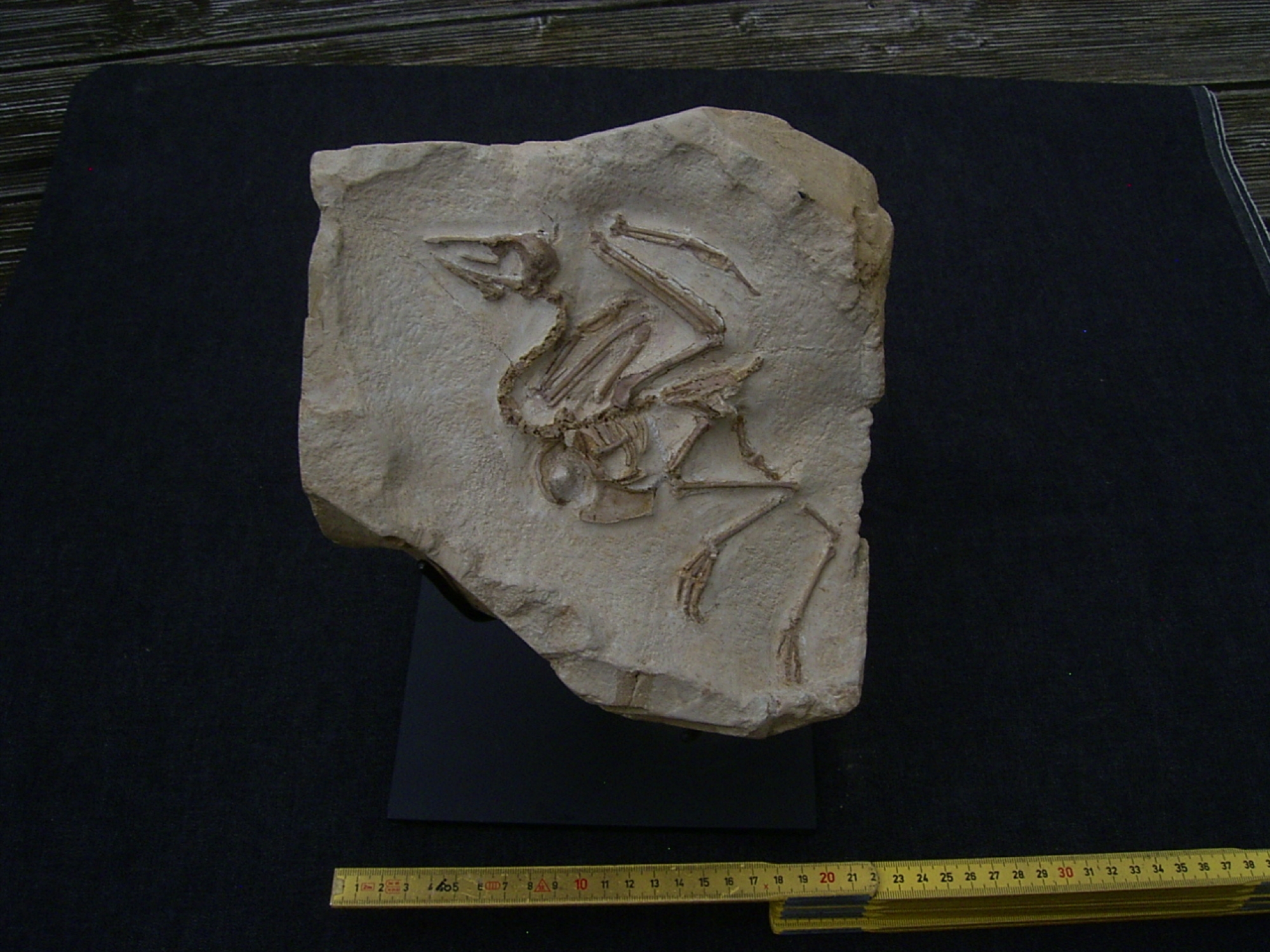
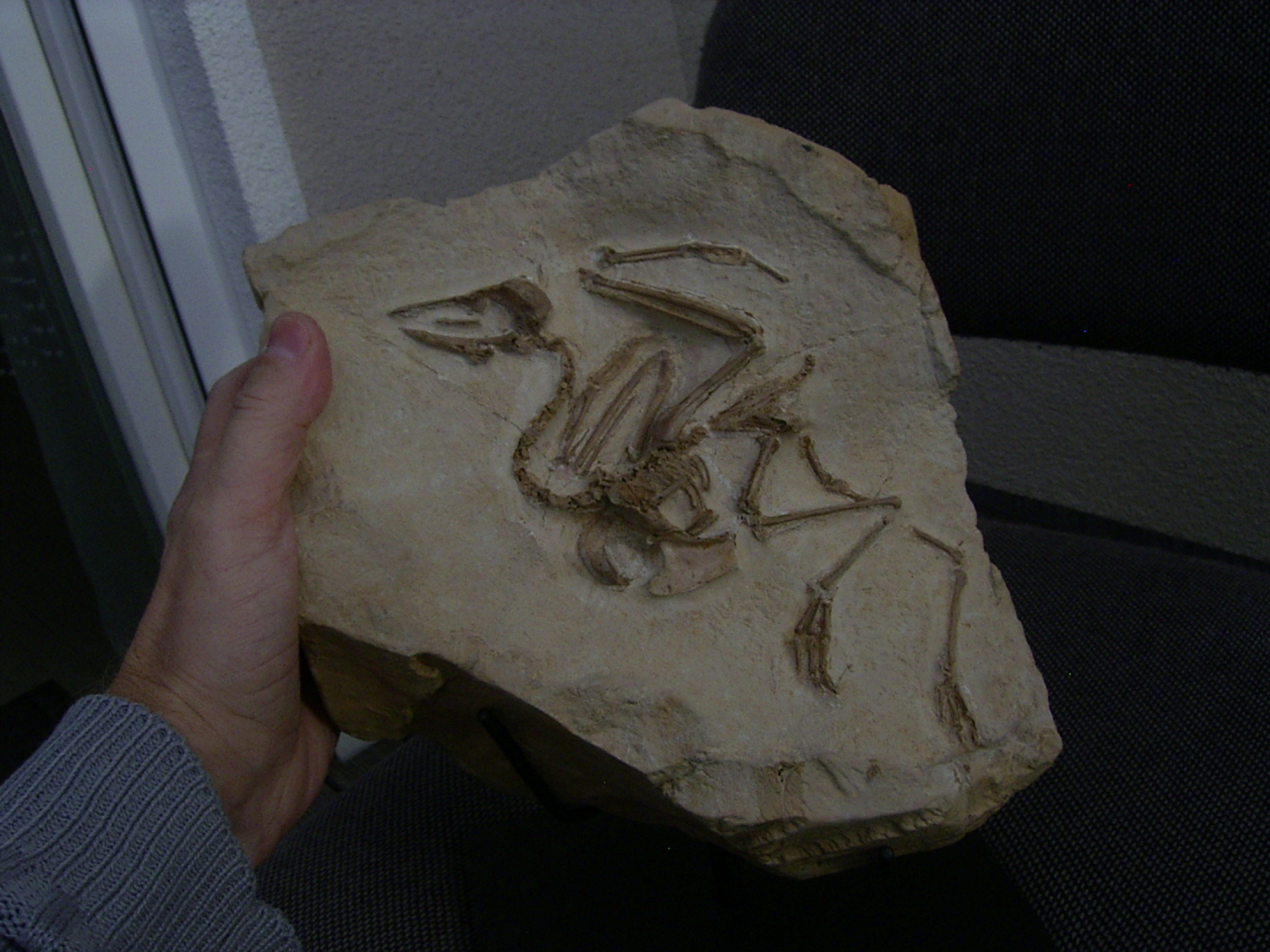
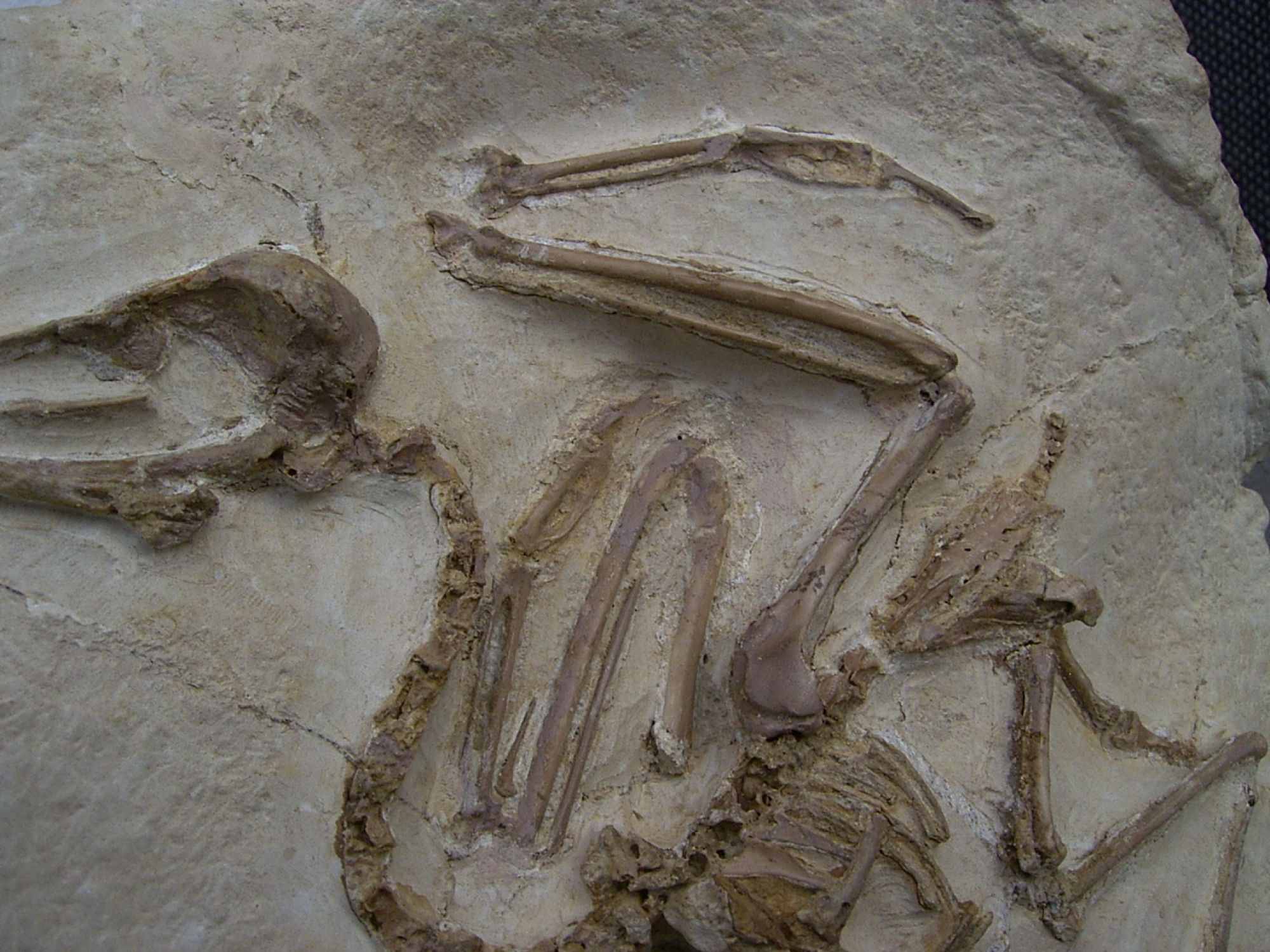
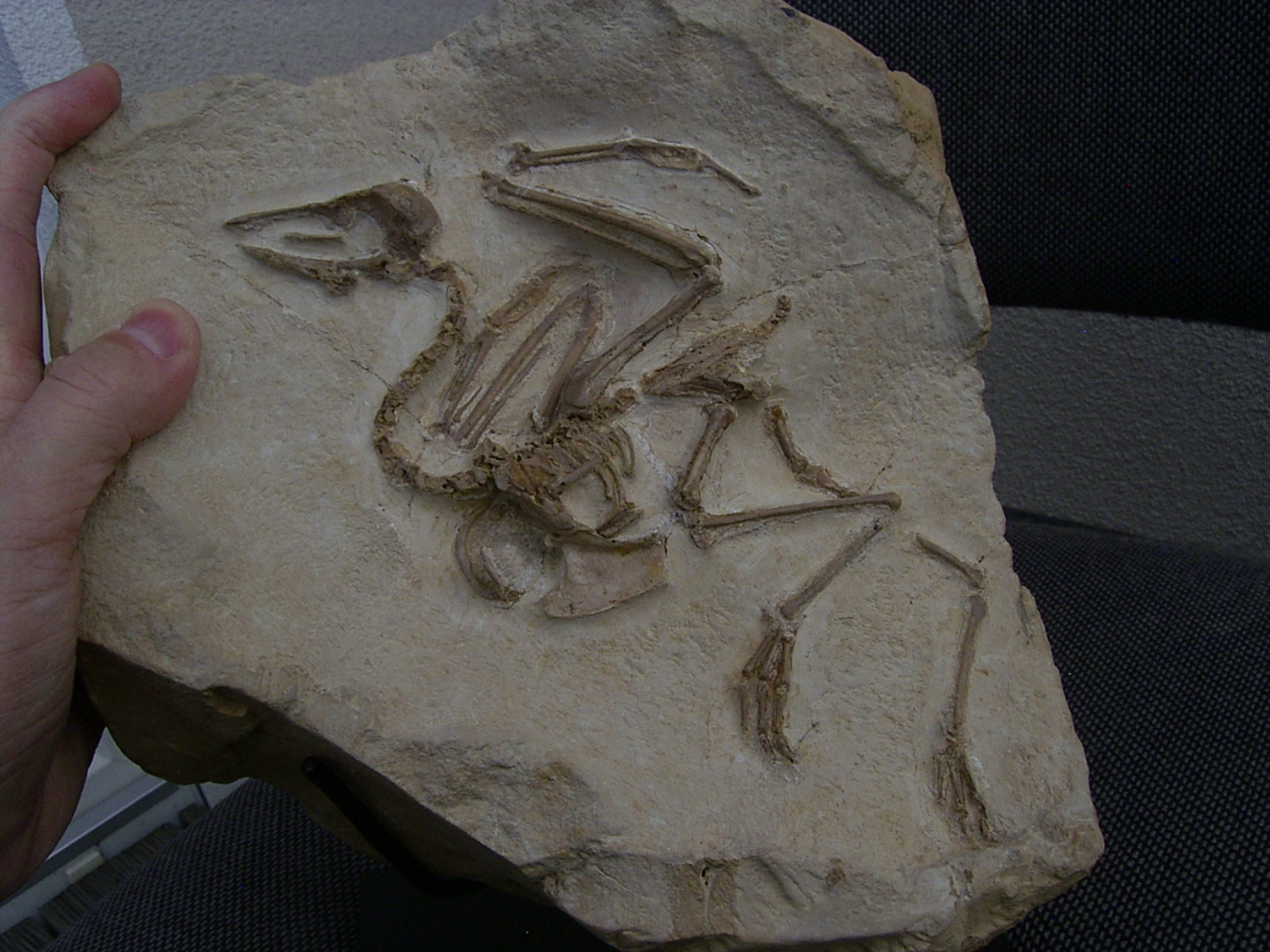
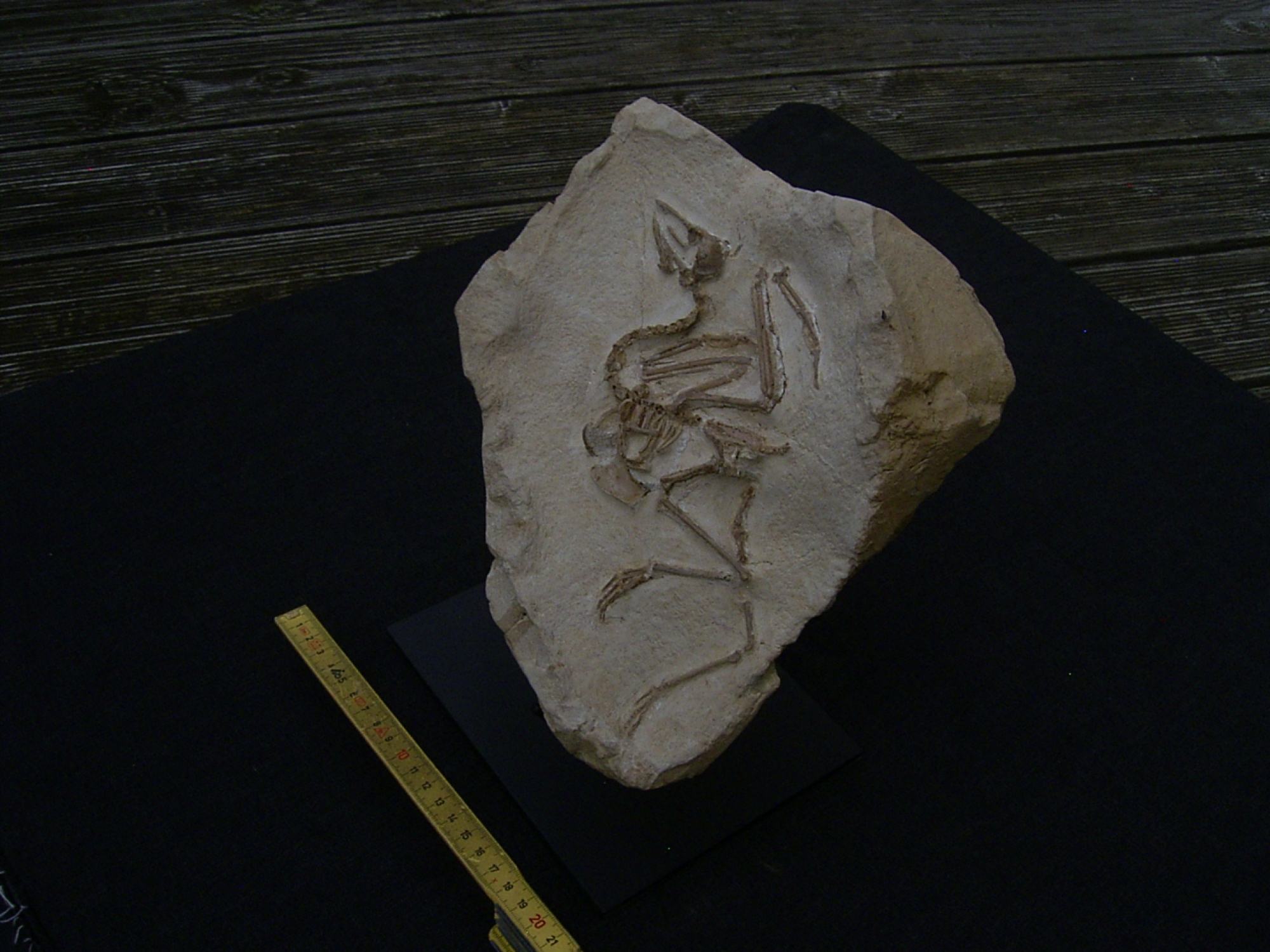
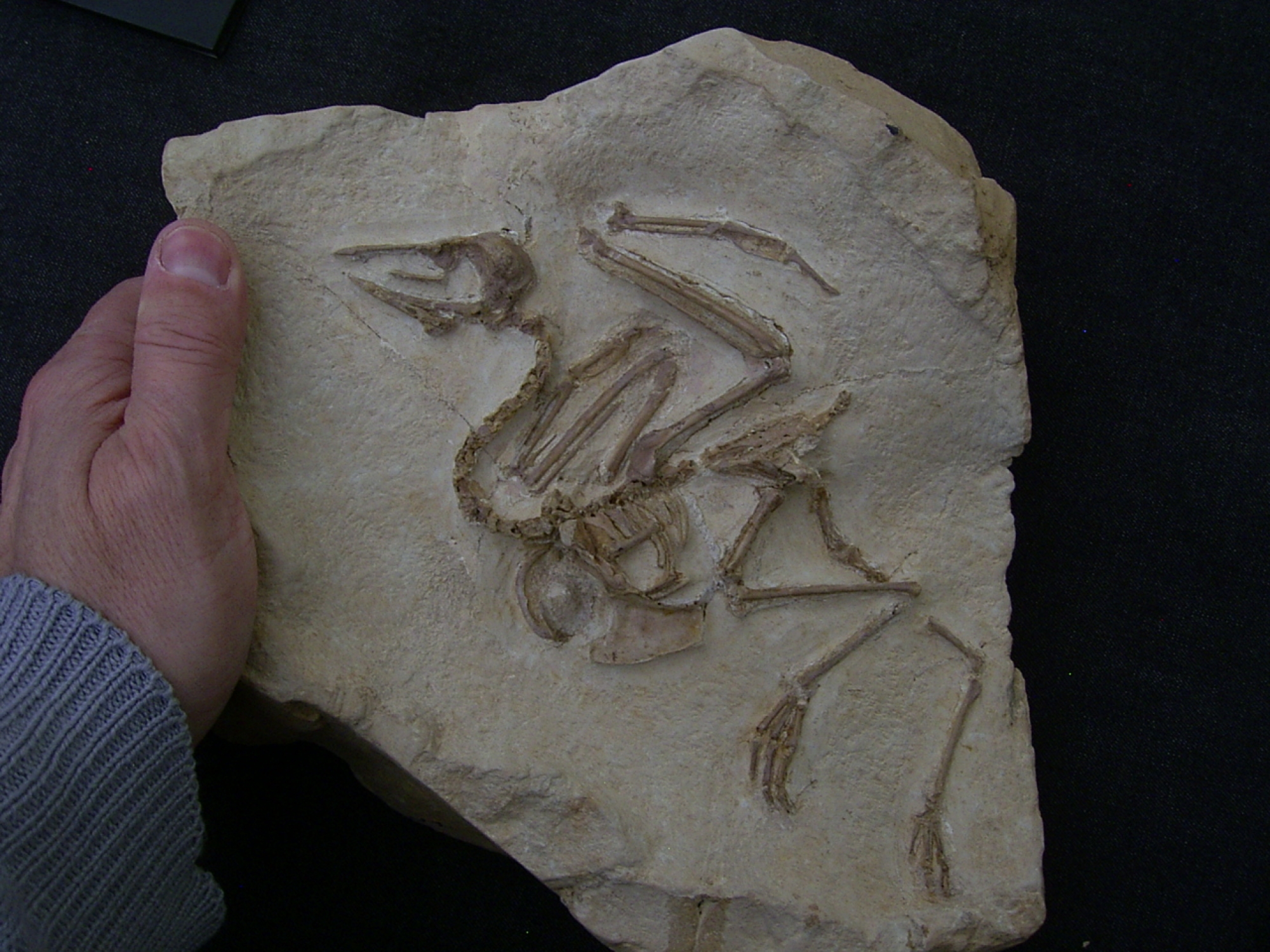
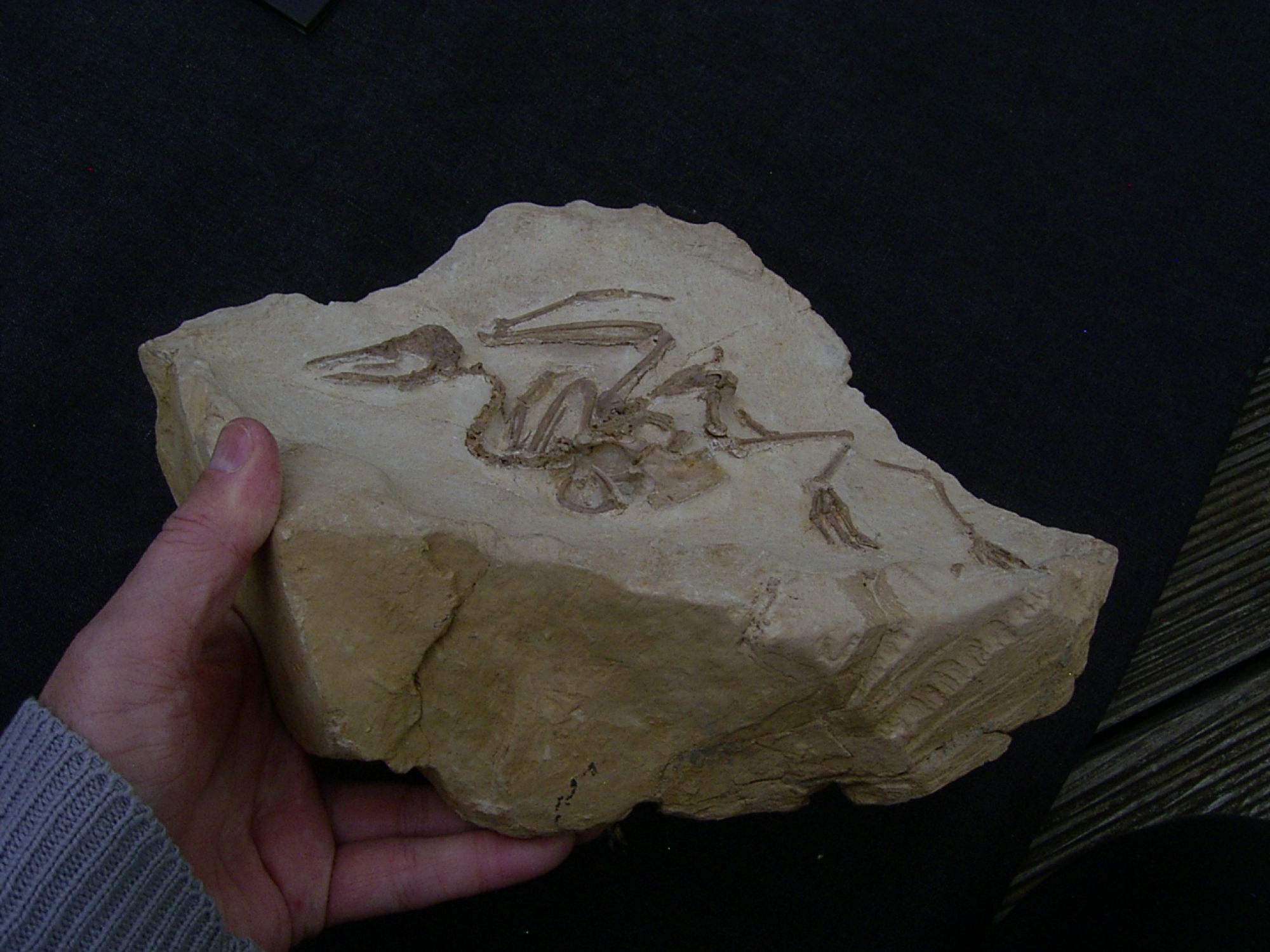
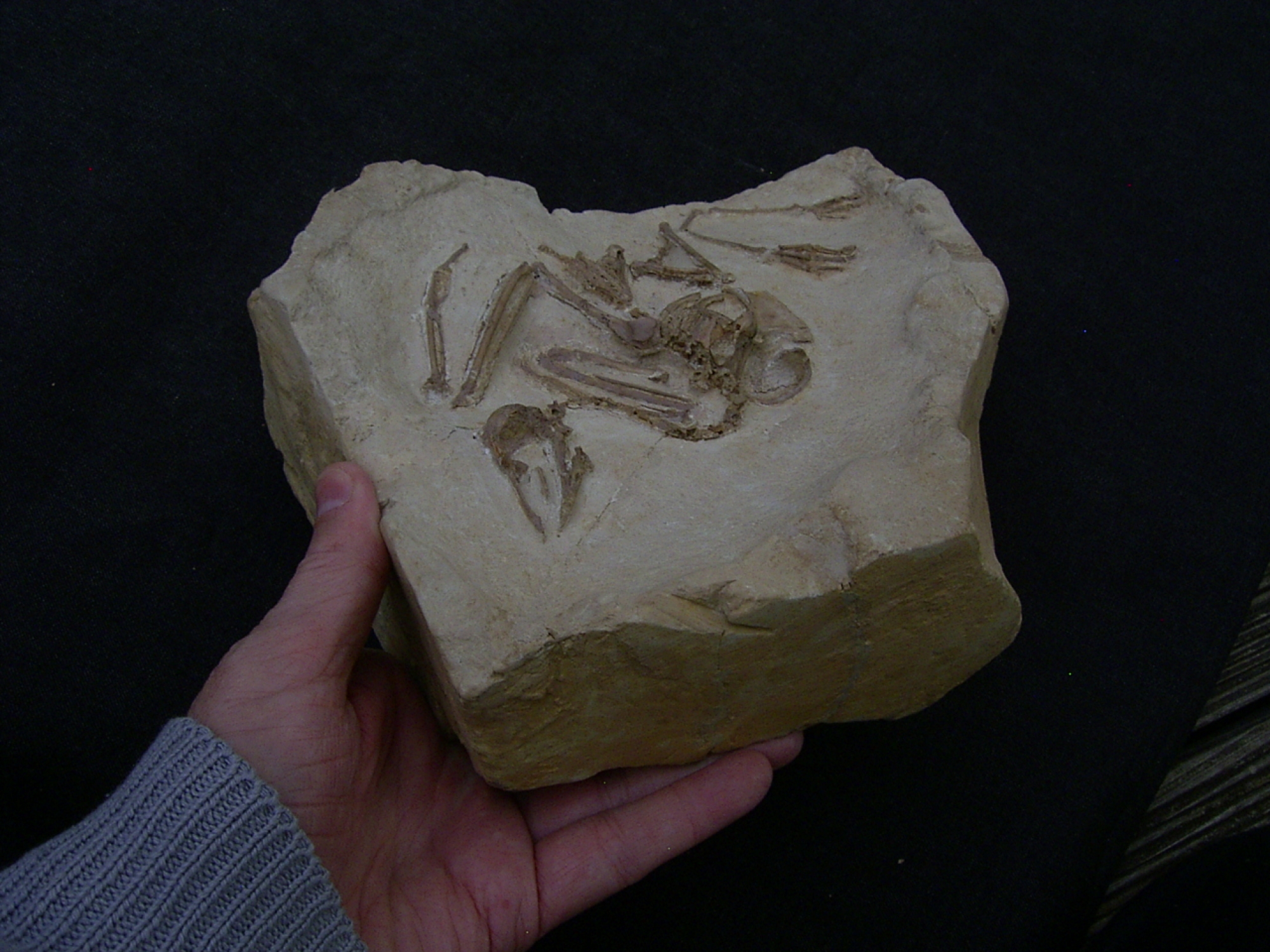
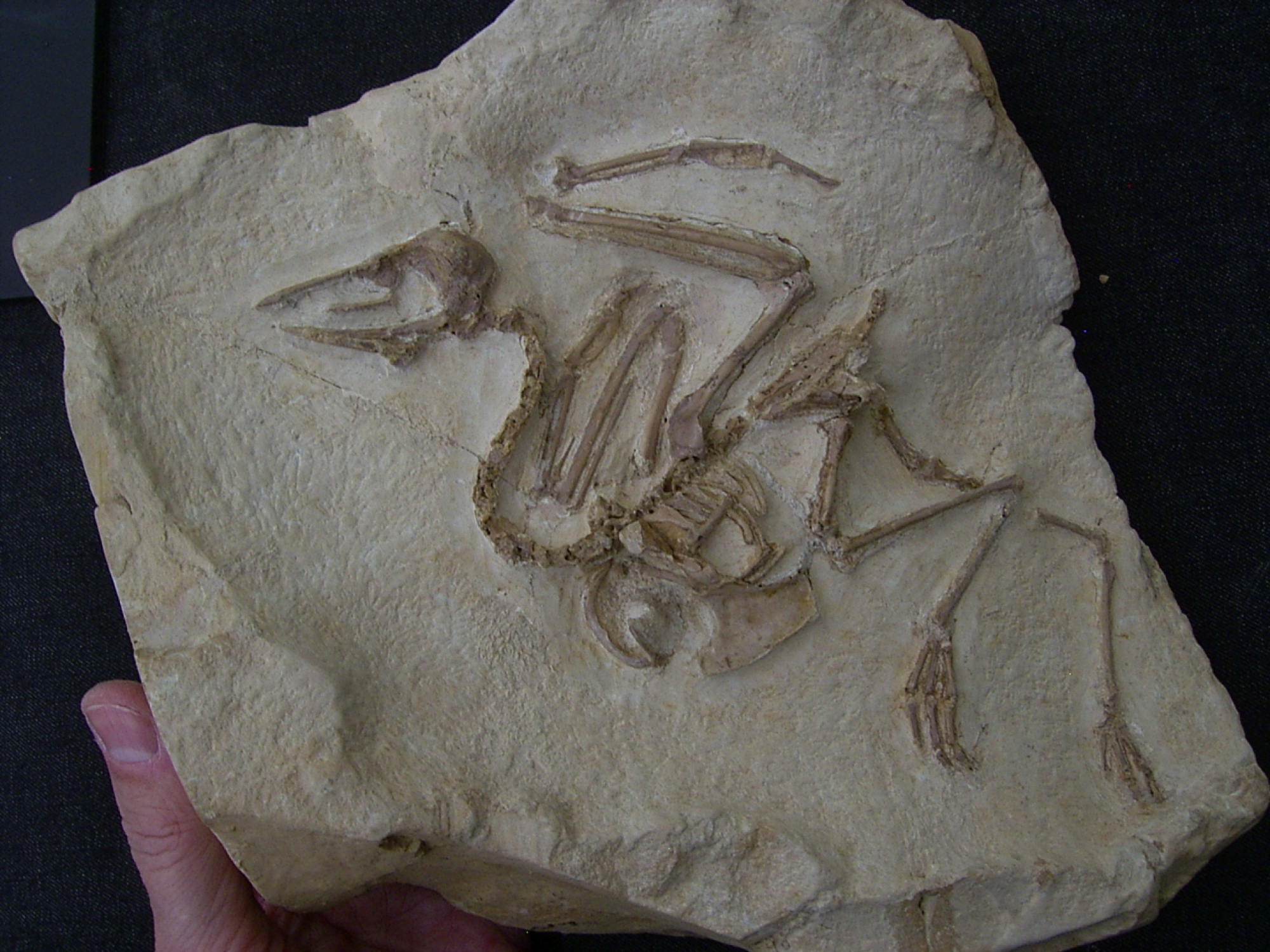
We are pleased to offer you another top-quality specimen for sale. This is a fossilized skeleton of the early wading bird
Pseudocrypturus cercanaxious. The piece comes from the Eocene deposits of the famous Green River Formation near the town
of Kemmerer, Lincoln County, Wyoming, USA. Fish fossils are the most common finds there.
This is an extremely rare find; fish fossils are the most prevalent. Birds are true rarities, and complete specimens rarely reach
the collector's market. They usually go directly to scientific collections or museums.
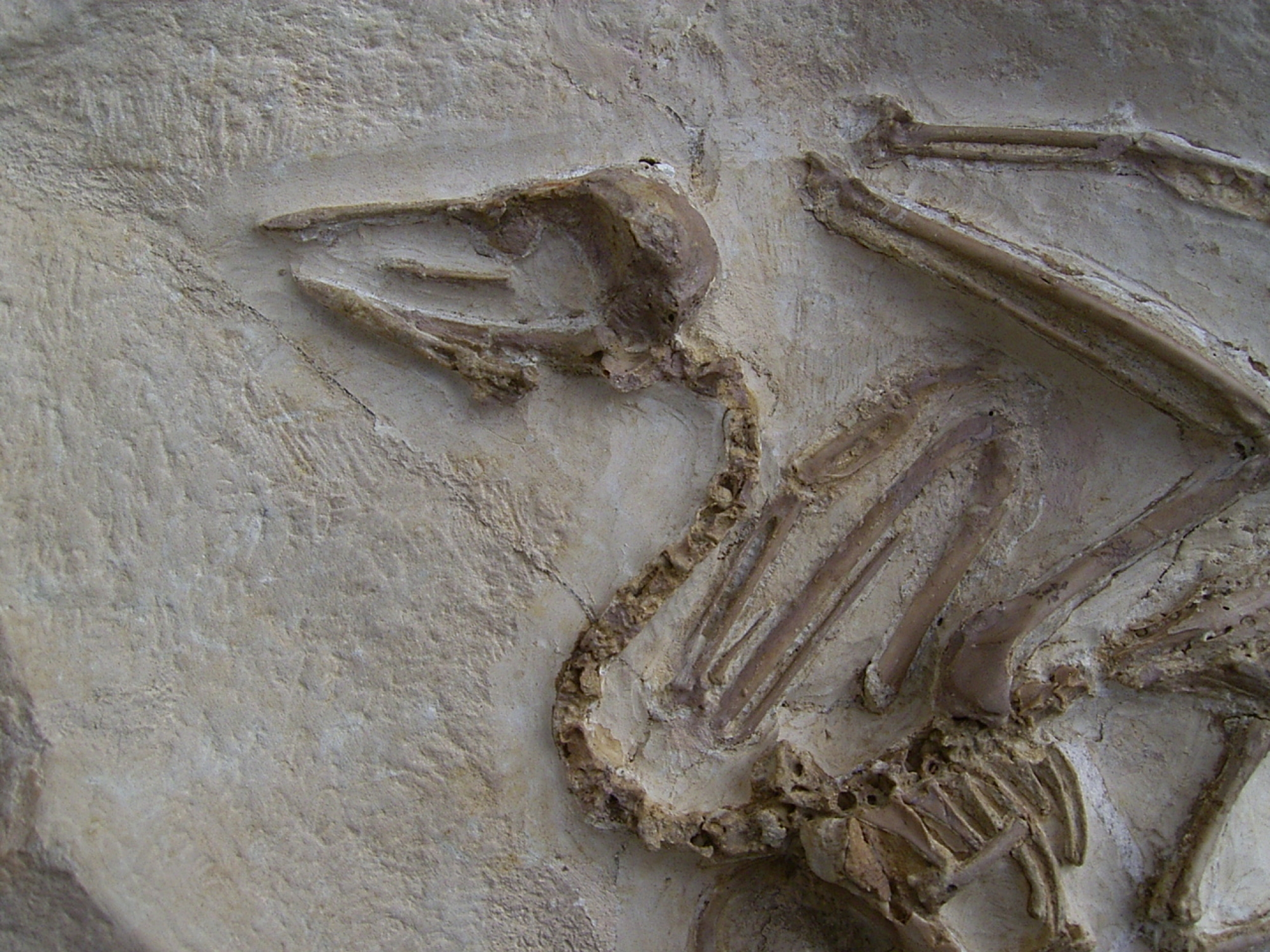
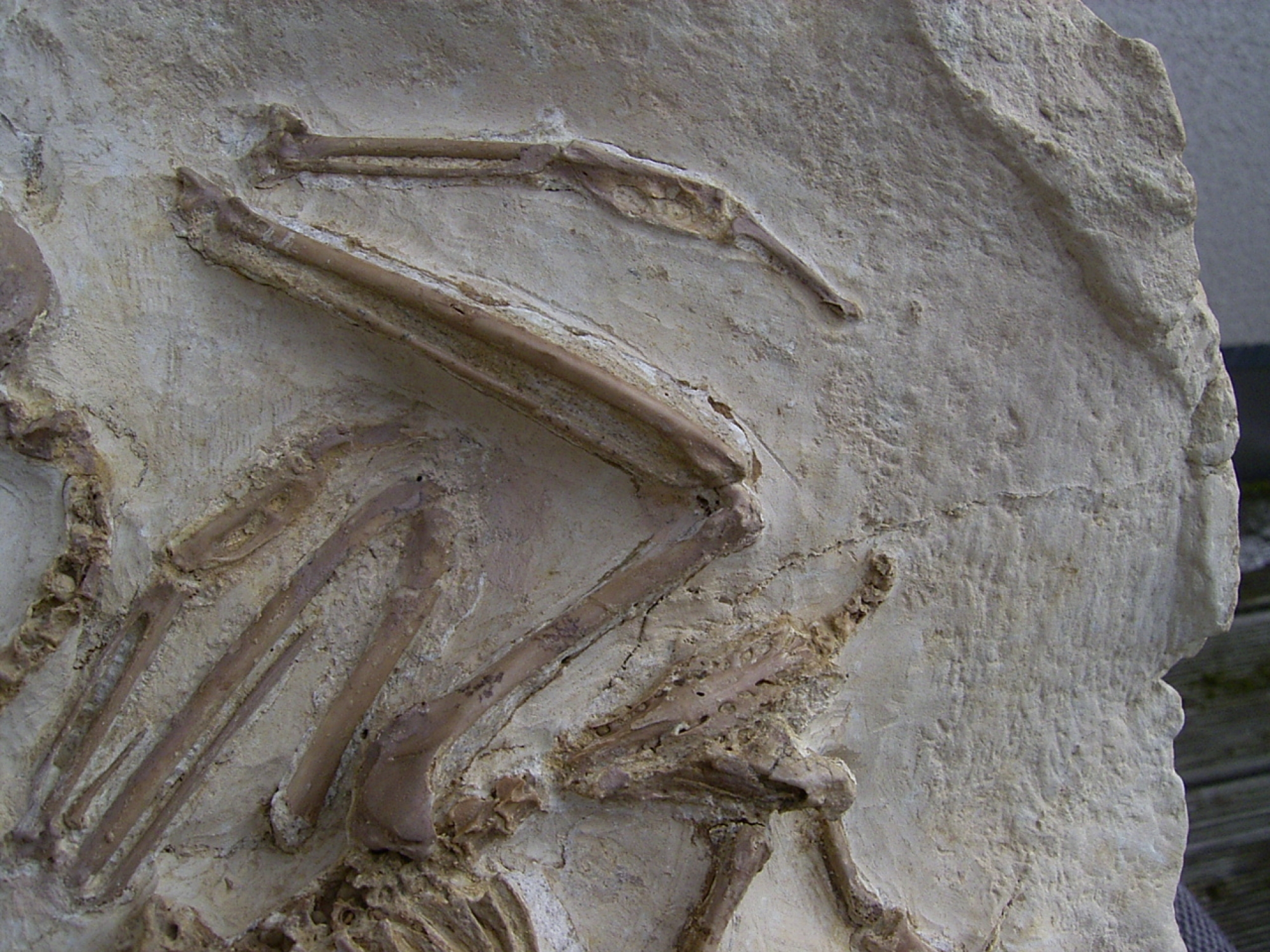
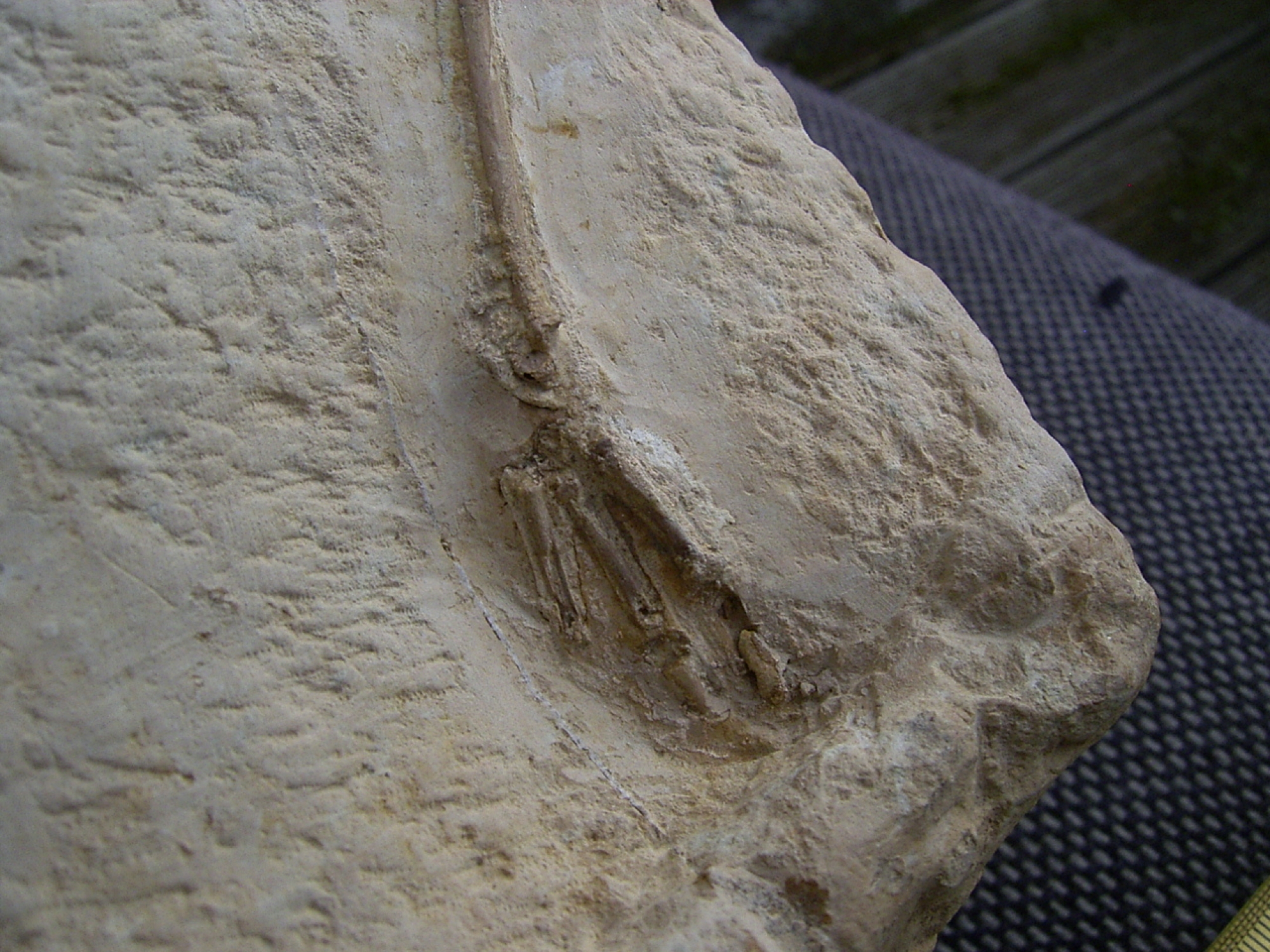
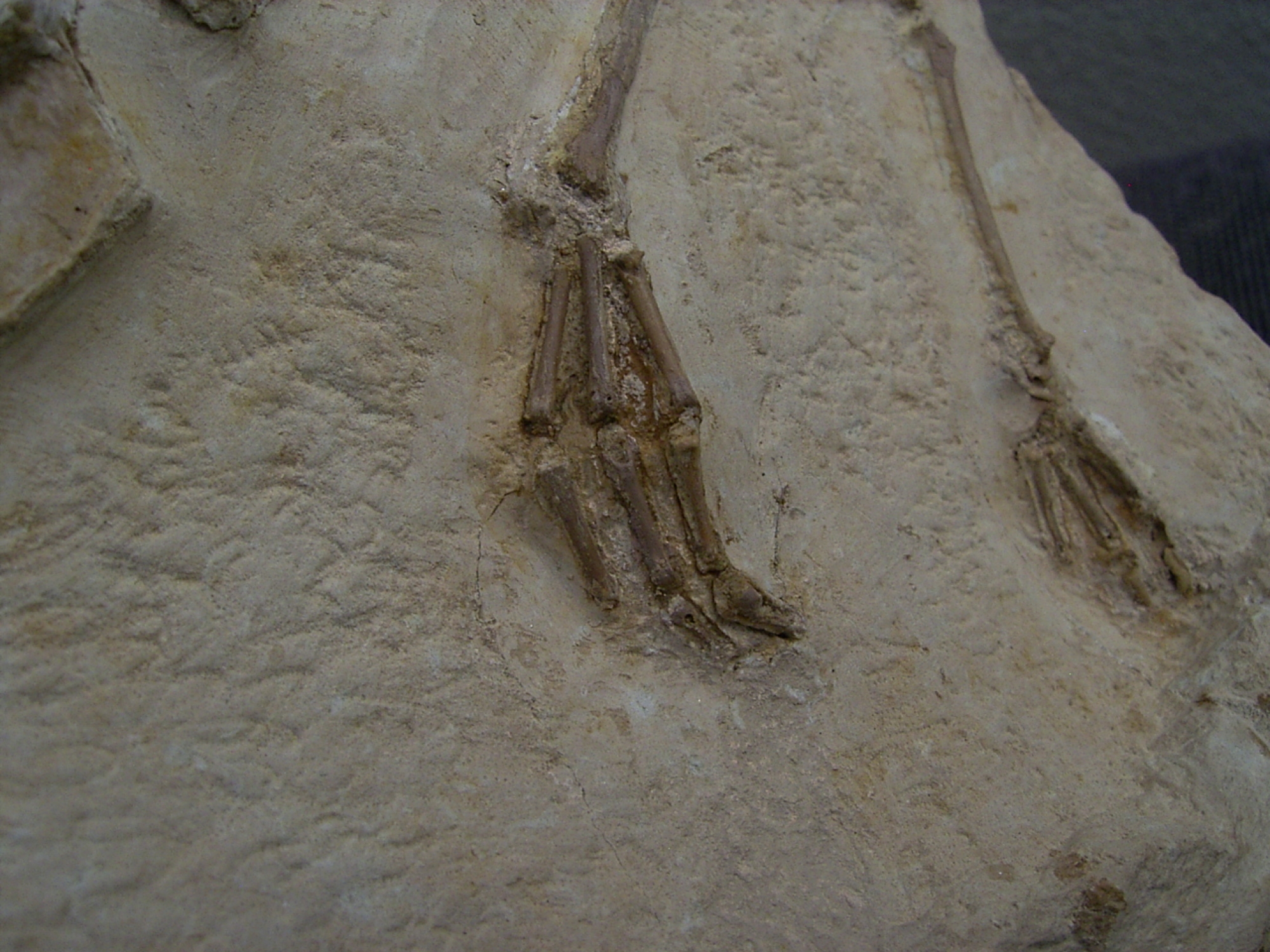
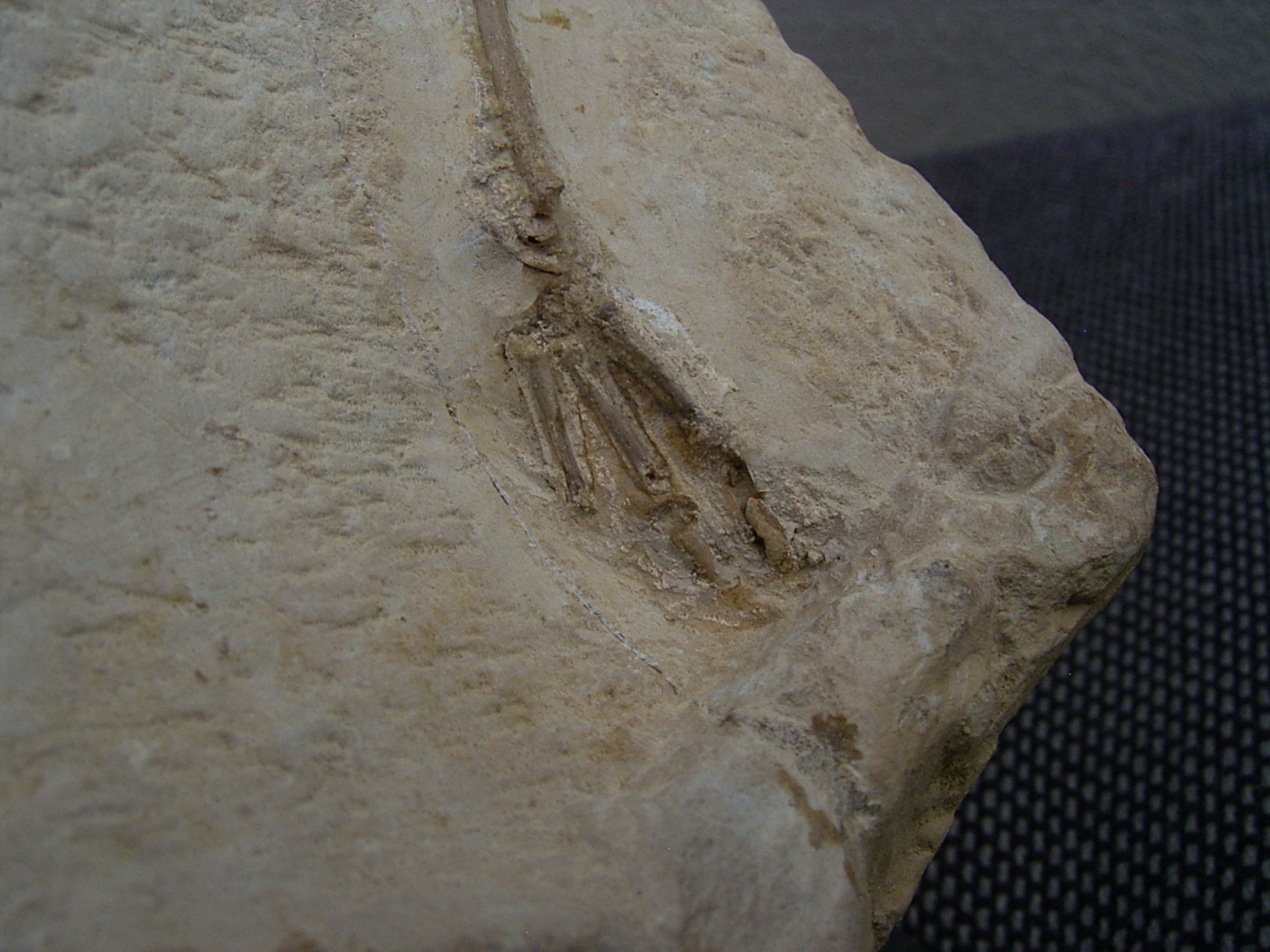
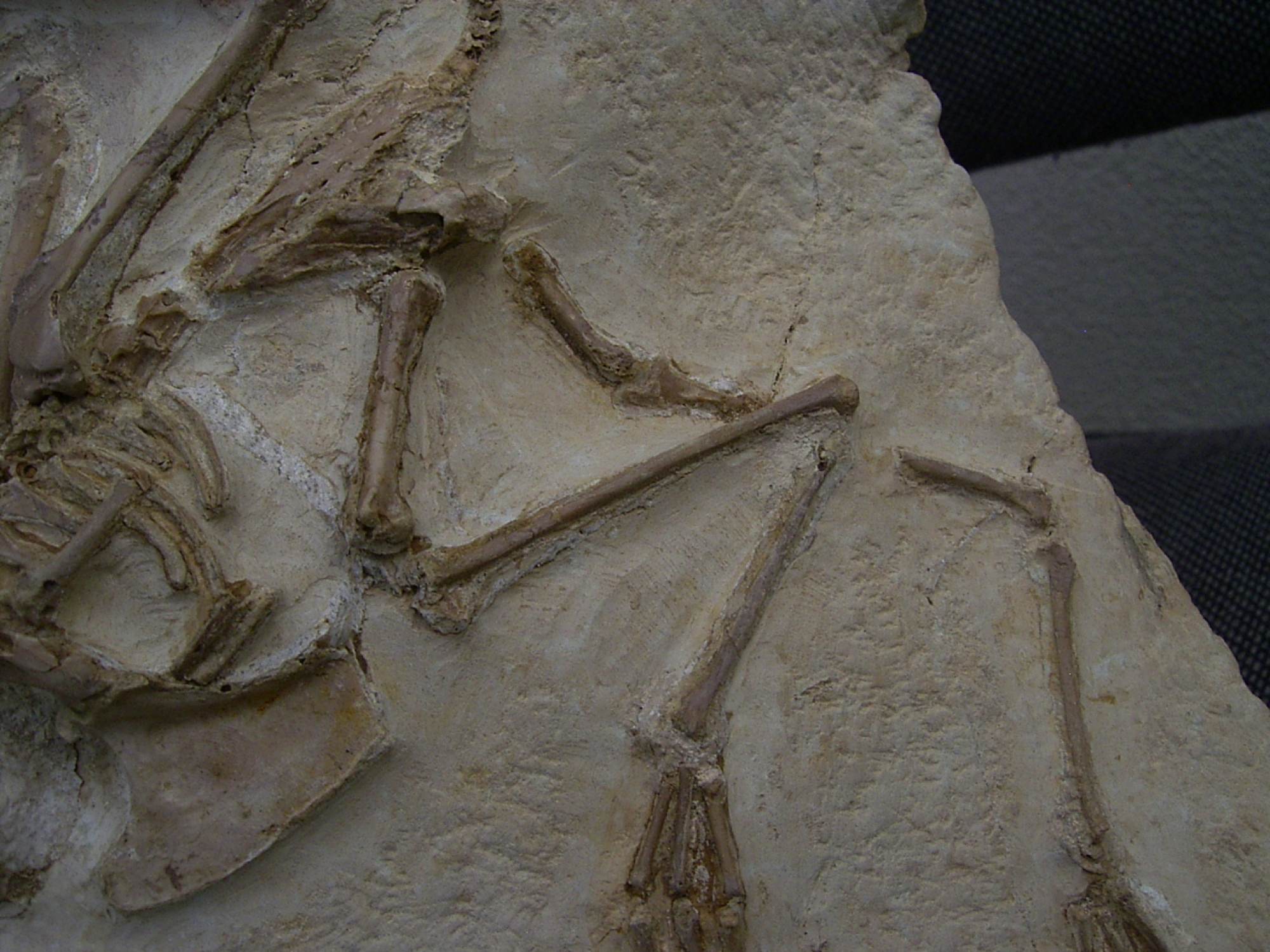
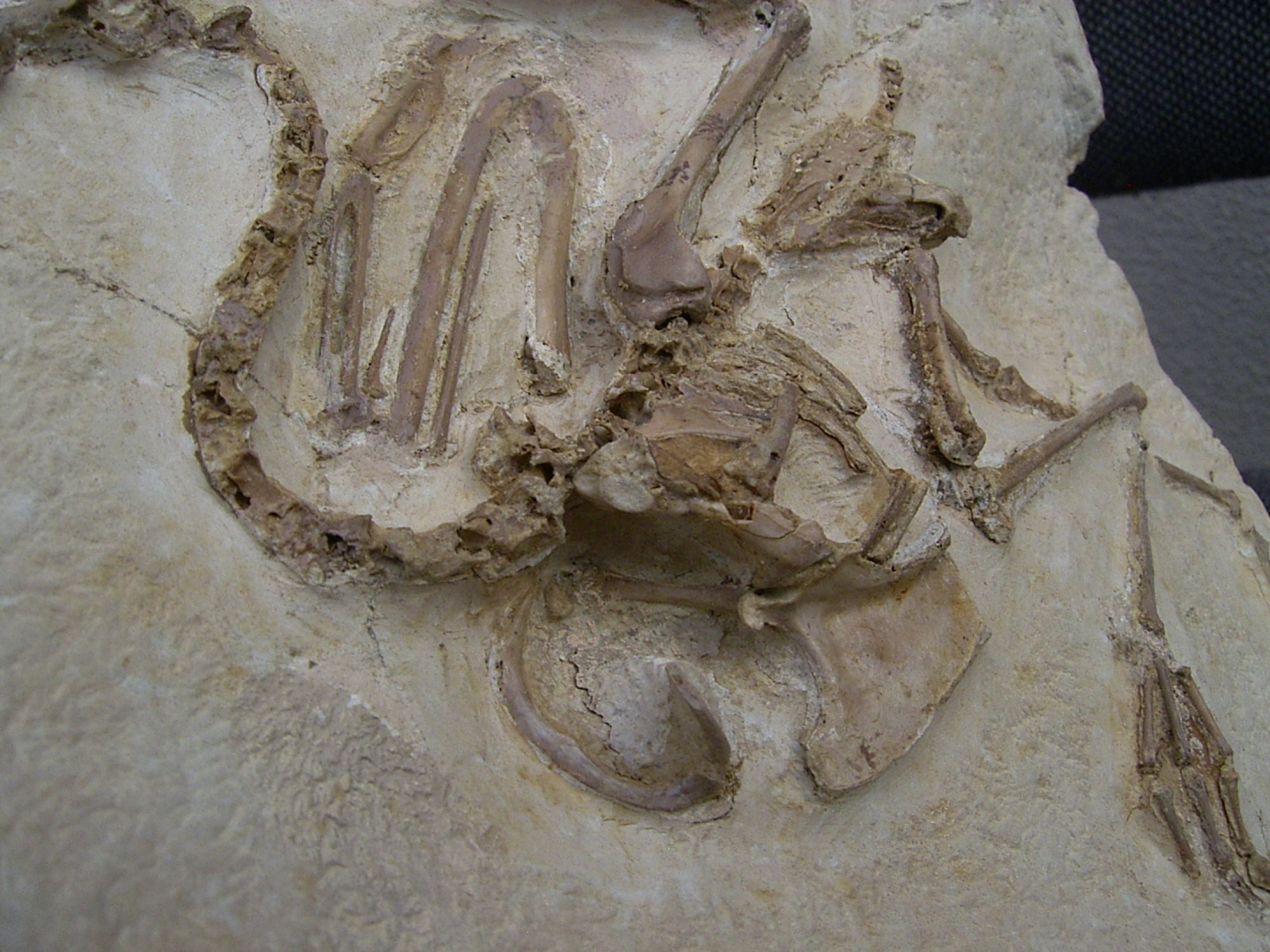
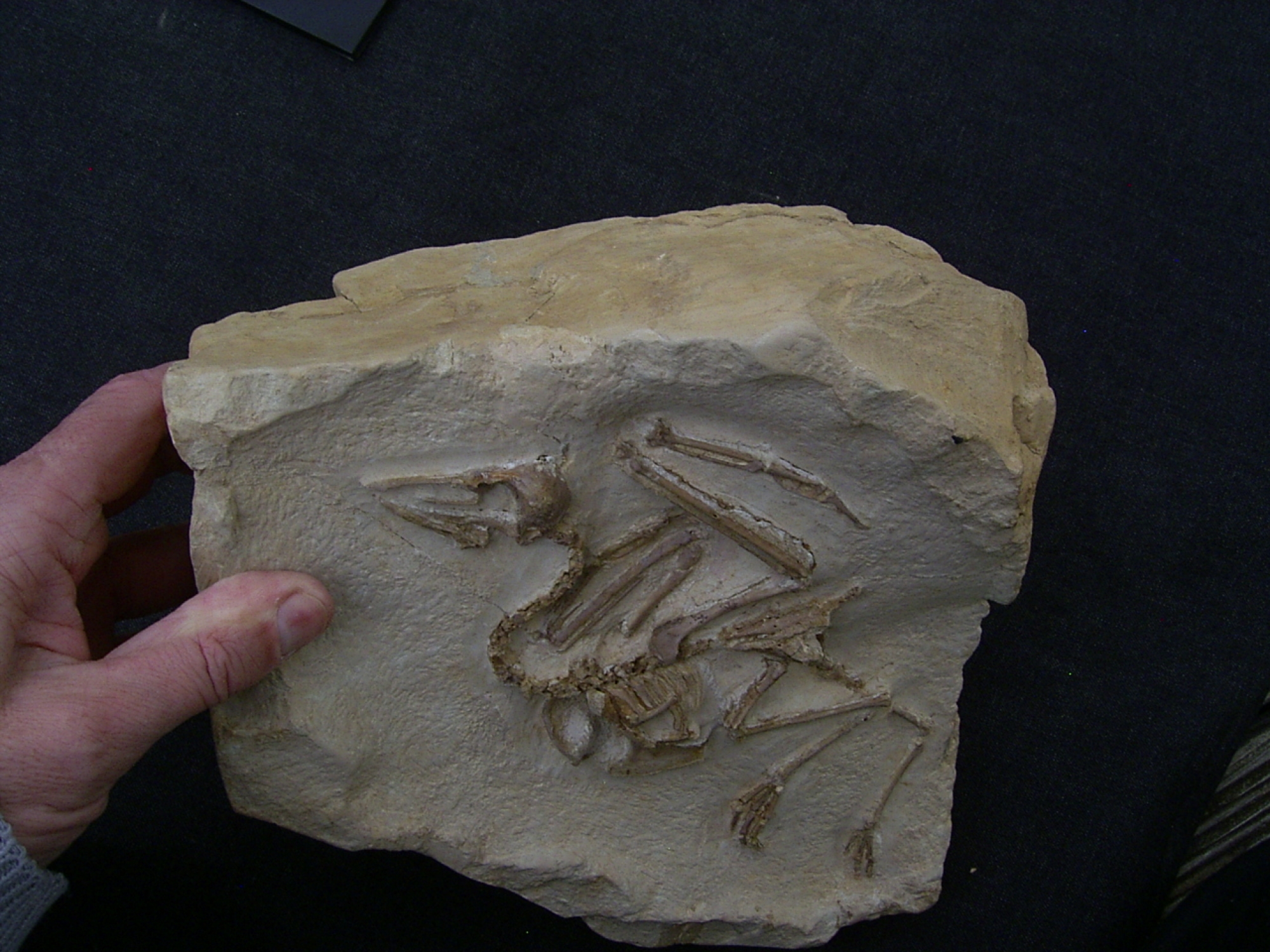
The skeleton offered here is complete and masterfully prepared. There are no additions; only a few cracks have been filled.
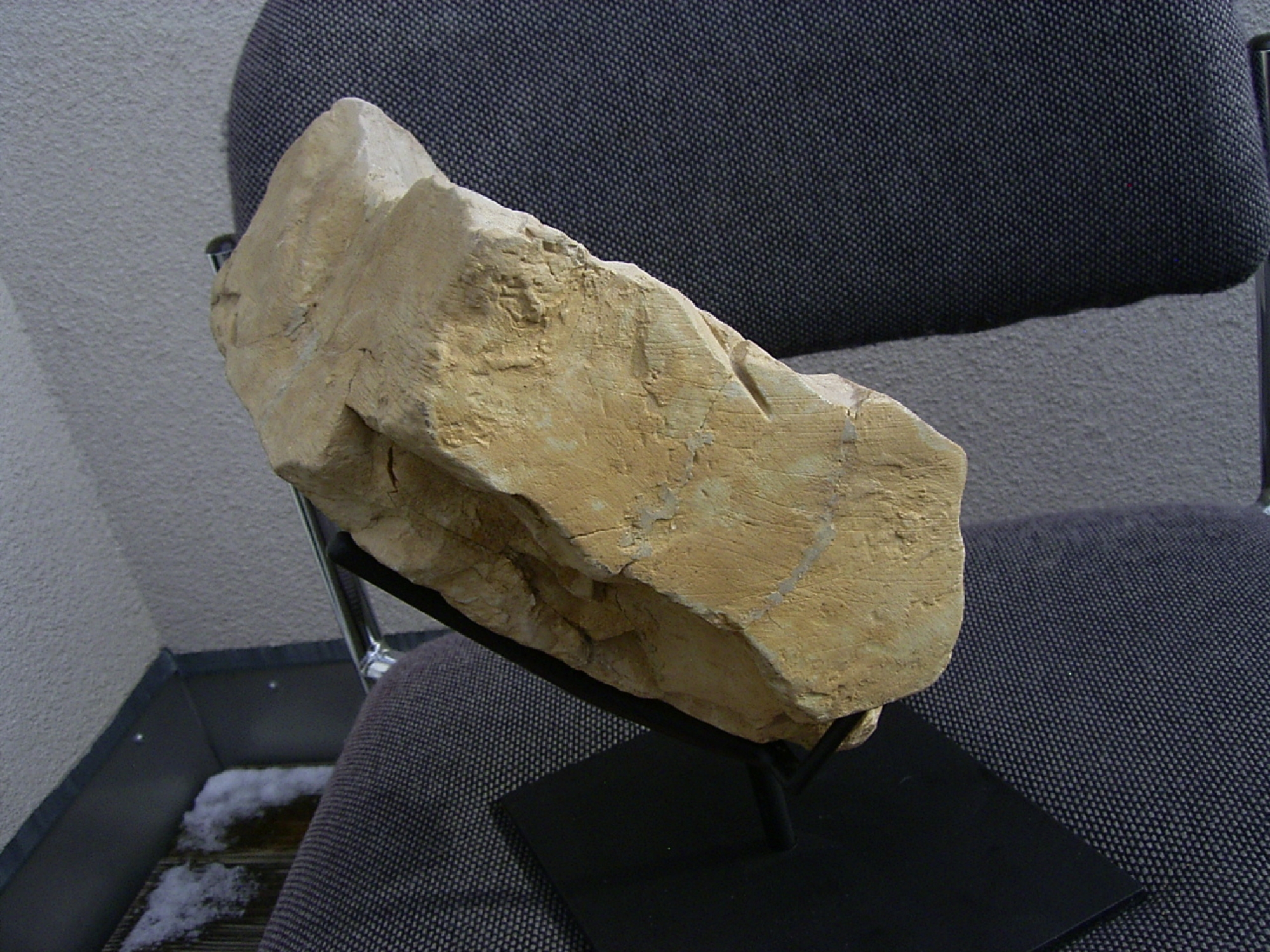
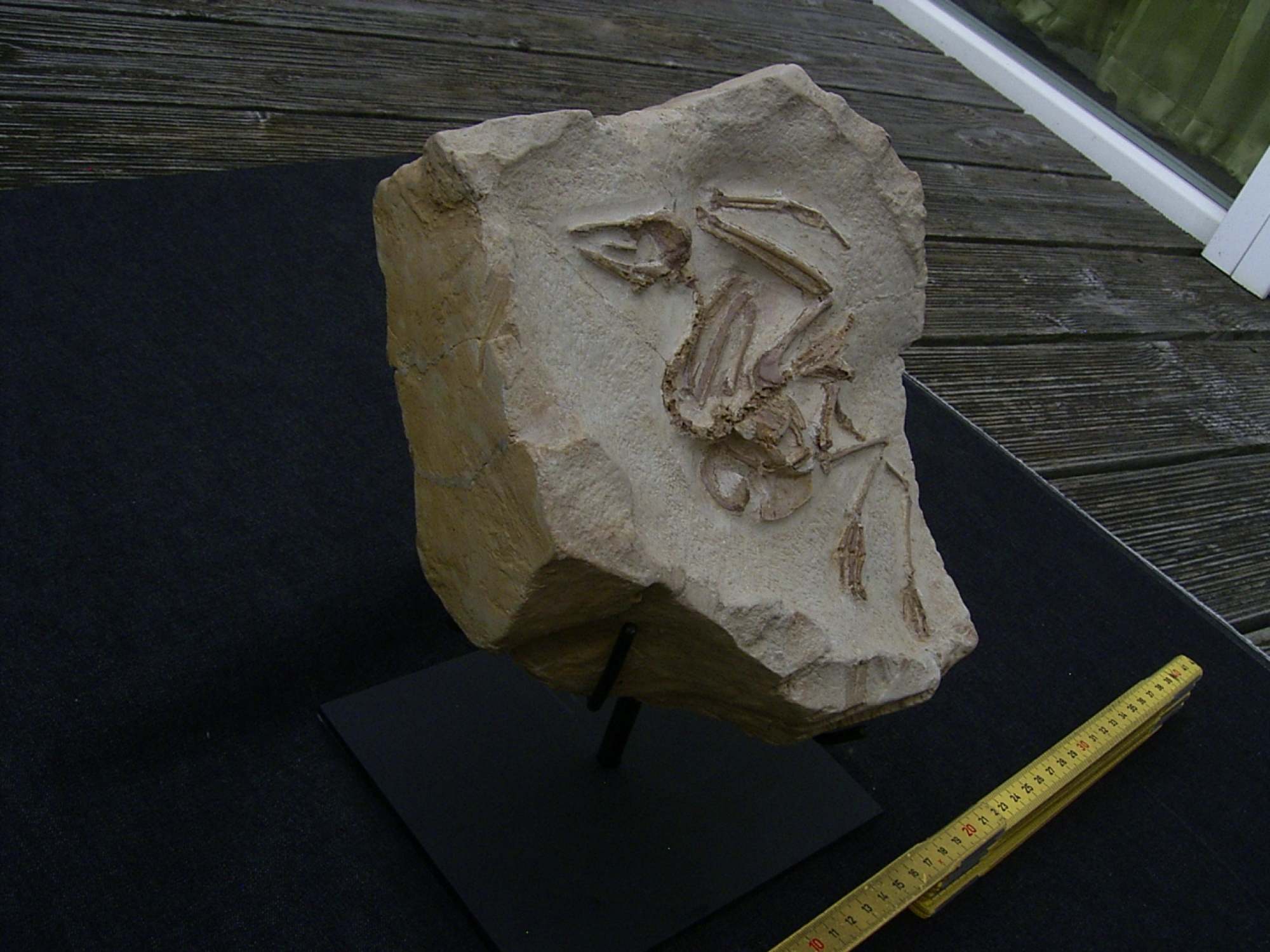
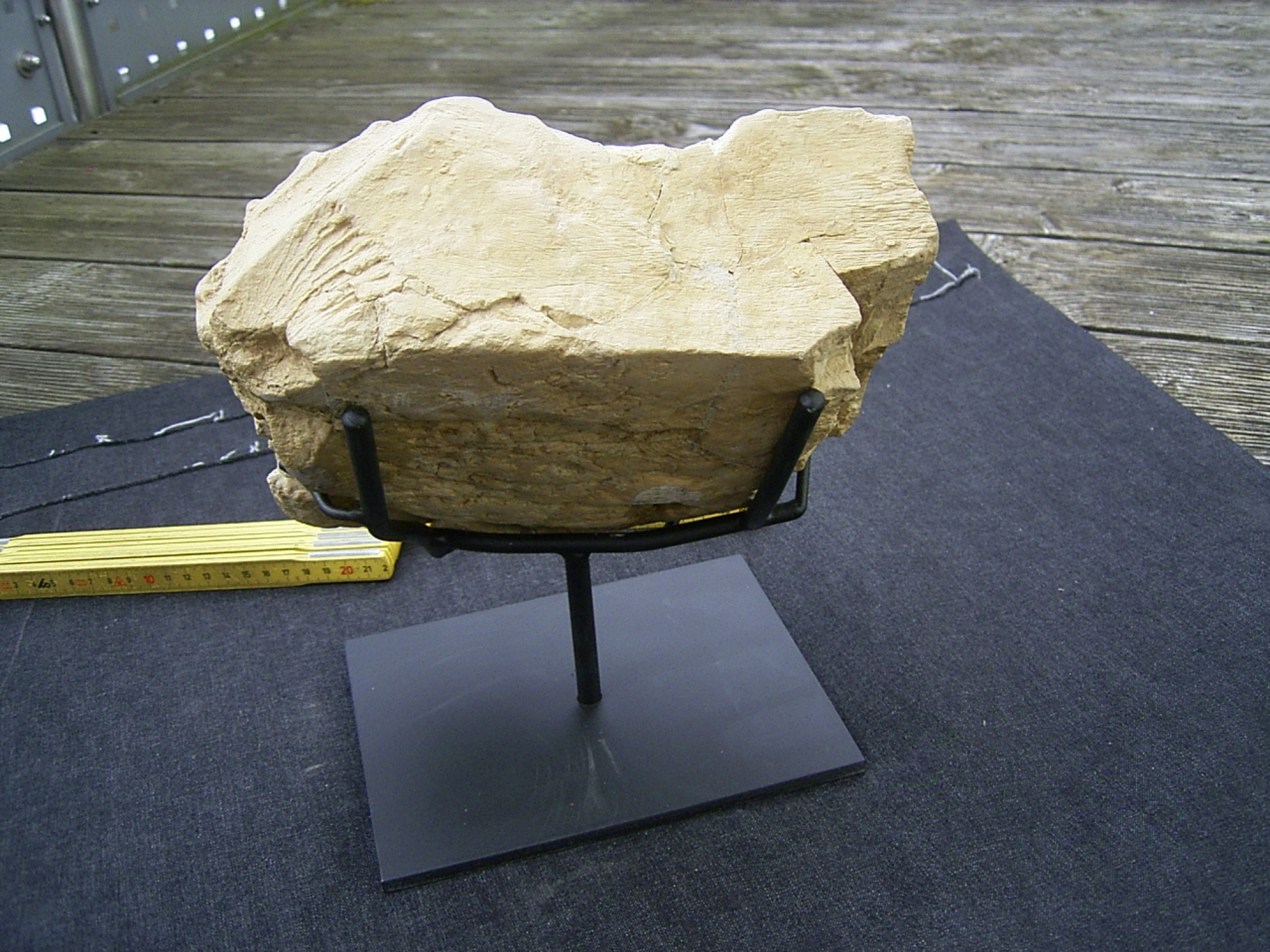
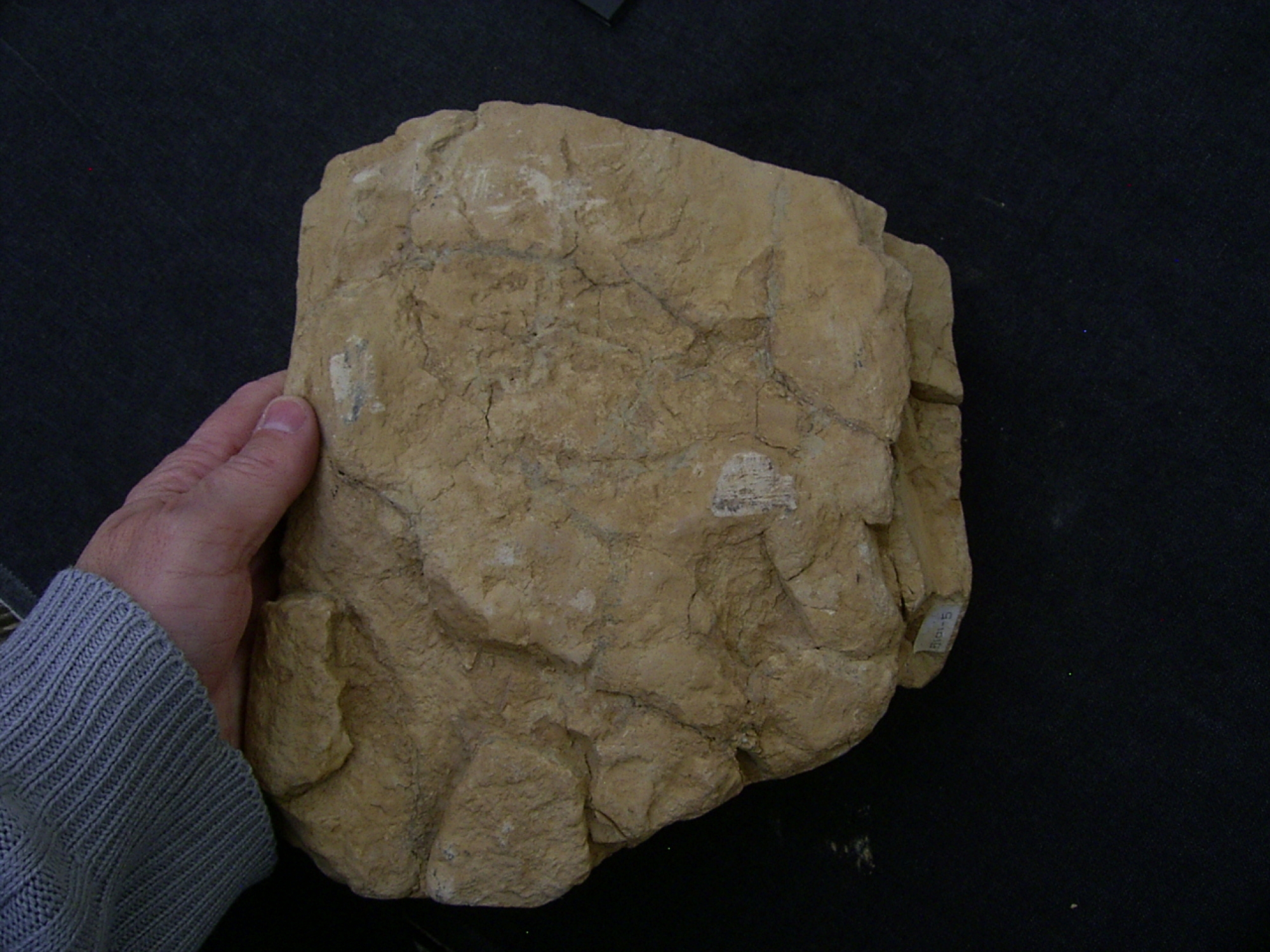
The largest dimension of the fossil is approximately 22 cm. The stone was broken and has been glued; it measures approximately
Top quality museum piece 34 x 21 x 9 cm.
Interesting: This piece doesn't come from the "usual" local limestone slabs, but was a geode (which made preparation quite complex).
This is the first time we've been able to offer you such an exhibit. We only have this one specimen; don't miss this rare opportunity!
Pseudocrypturus cercanaxious
is a fascinating find from the Green River Formation (Eozaen, approx. 50 million years ago) in Wyoming, USA. It is considered one of
the most important pieces of evidence for the early evolution of birds.
The False Tinamous:
The name literally means "false tinam" (Pseudo-Crypturus), as it bears a striking resemblance to modern tinamous (Tinamus) from South
America, but is not directly related to them.
Key Characteristics:
Relationships: It belongs to the group Lithornithiformes. These are primitive, flight-capable birds that are at the base of the Palaeognathae
(ancient jawed birds). This makes it an early relative of ostriches, emus, and tinamous.
Body structure:
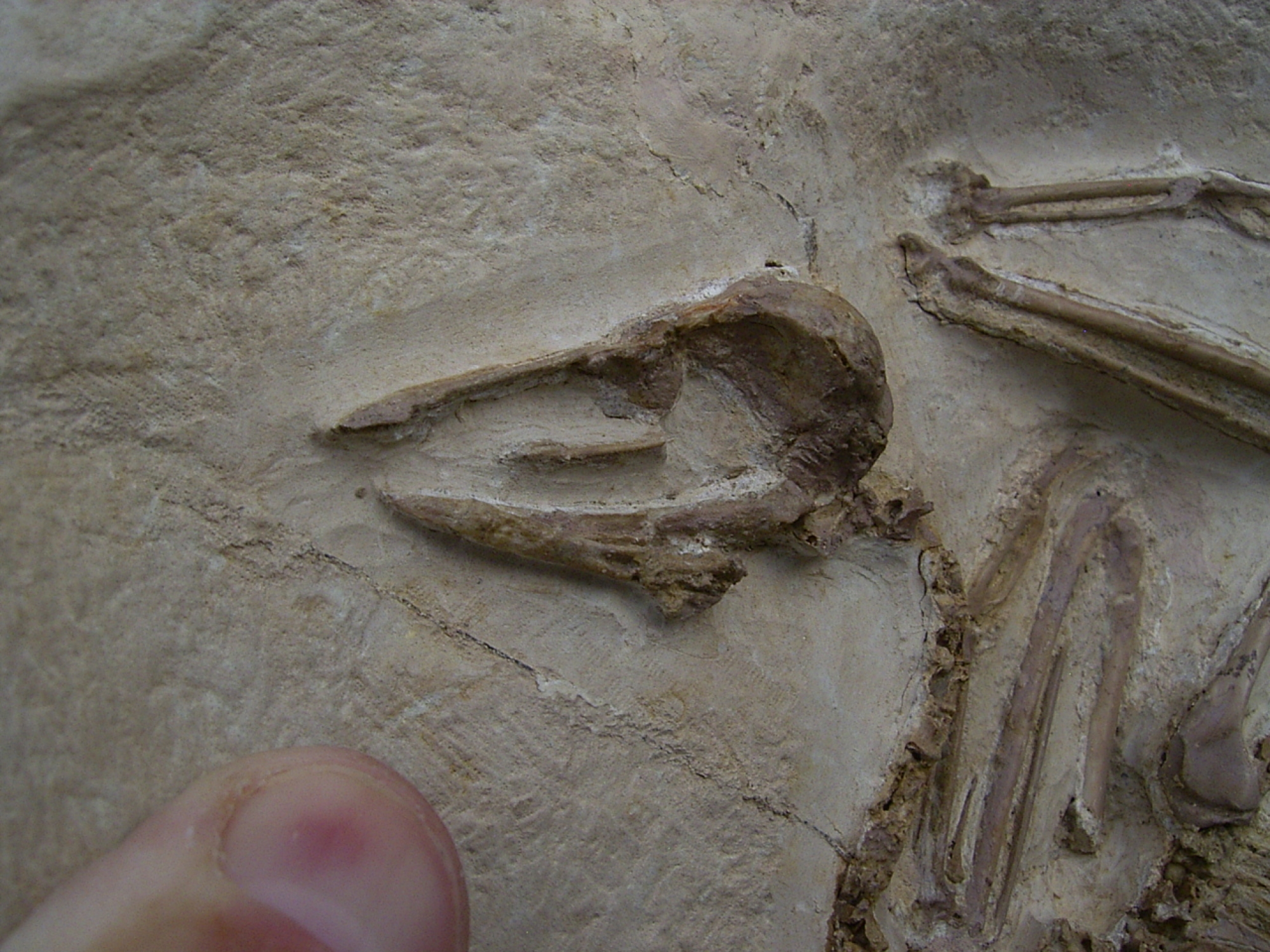
It possessed a long, slender beak, suggesting that it searched for food (insects, larvae) in mud or soft soil – similar to a
modern-day snipe.
Lifestyle: Despite its powerful wings, it probably spent a lot of time on the ground.
Significance for Research
This fossil is a prime example of the excellent preservation found in the Green River Formation. While birds rarely fossilize due to their
hollow, fragile bones, this find provides a complete skeleton. It proves that the Paleognathians were widespread and highly diverse in
the Northern Hemisphere during the Eozaen.
Pseudocrypturus cercanaxious from the famous Green River Formation in Wyoming is the perfect example of an early wading bird type.
Here are the facts about the false tinamou:
1. The Look: A Mix of Old and New
Although it belongs to the Paleognathians—related to ostriches and emus—it looked more like a cross between a modern tinamou and
a curlew.
The Beak: It had a long, tweezer-like beak. This is the classic tool of a wader, used to probe for invertebrate delicacies in the mud of
shallow lake shores.
The legs: Its anatomy suggests that it was agile on the ground and in shallow water.
2. Habitat: The Subtropical Lake District
Around 52 million years ago, Wyoming was not a dusty highland, but a lush lake landscape.
Pseudocrypturus likely foraged for food along the shorelines of these lakes.
The fine-grained sediments at the bottom of these lakes preserved its delicate, hollow bones so perfectly that we now have almost
complete skeletons—a rarity among fossil birds.
3. Why the name Pseudocrypturus?
Scientists like Houde, who described the bird in 1988, noted its striking resemblance to the modern-day crypturus (a tinamous).
However, analysis revealed that it belonged to the extinct Lithornithidae family. It is therefore a decoy—a primitive bird that already
occupied the ecological niche of today's wading birds.
Pseudocrypturus cercanaxious. The piece comes from the Eocene deposits of the famous Green River Formation near the town
of Kemmerer, Lincoln County, Wyoming, USA. Fish fossils are the most common finds there.
This is an extremely rare find; fish fossils are the most prevalent. Birds are true rarities, and complete specimens rarely reach
the collector's market. They usually go directly to scientific collections or museums.
The skeleton offered here is complete and masterfully prepared. There are no additions; only a few cracks have been filled.
The largest dimension of the fossil is approximately 22 cm. The stone was broken and has been glued; it measures approximately
Top quality museum piece 34 x 21 x 9 cm.
Interesting: This piece doesn't come from the "usual" local limestone slabs, but was a geode (which made preparation quite complex).
This is the first time we've been able to offer you such an exhibit. We only have this one specimen; don't miss this rare opportunity!
Pseudocrypturus cercanaxious
is a fascinating find from the Green River Formation (Eozaen, approx. 50 million years ago) in Wyoming, USA. It is considered one of
the most important pieces of evidence for the early evolution of birds.
The False Tinamous:
The name literally means "false tinam" (Pseudo-Crypturus), as it bears a striking resemblance to modern tinamous (Tinamus) from South
America, but is not directly related to them.
Key Characteristics:
Relationships: It belongs to the group Lithornithiformes. These are primitive, flight-capable birds that are at the base of the Palaeognathae
(ancient jawed birds). This makes it an early relative of ostriches, emus, and tinamous.
Body structure:
It possessed a long, slender beak, suggesting that it searched for food (insects, larvae) in mud or soft soil – similar to a
modern-day snipe.
Lifestyle: Despite its powerful wings, it probably spent a lot of time on the ground.
Significance for Research
This fossil is a prime example of the excellent preservation found in the Green River Formation. While birds rarely fossilize due to their
hollow, fragile bones, this find provides a complete skeleton. It proves that the Paleognathians were widespread and highly diverse in
the Northern Hemisphere during the Eozaen.
Pseudocrypturus cercanaxious from the famous Green River Formation in Wyoming is the perfect example of an early wading bird type.
Here are the facts about the false tinamou:
1. The Look: A Mix of Old and New
Although it belongs to the Paleognathians—related to ostriches and emus—it looked more like a cross between a modern tinamou and
a curlew.
The Beak: It had a long, tweezer-like beak. This is the classic tool of a wader, used to probe for invertebrate delicacies in the mud of
shallow lake shores.
The legs: Its anatomy suggests that it was agile on the ground and in shallow water.
2. Habitat: The Subtropical Lake District
Around 52 million years ago, Wyoming was not a dusty highland, but a lush lake landscape.
Pseudocrypturus likely foraged for food along the shorelines of these lakes.
The fine-grained sediments at the bottom of these lakes preserved its delicate, hollow bones so perfectly that we now have almost
complete skeletons—a rarity among fossil birds.
3. Why the name Pseudocrypturus?
Scientists like Houde, who described the bird in 1988, noted its striking resemblance to the modern-day crypturus (a tinamous).
However, analysis revealed that it belonged to the extinct Lithornithidae family. It is therefore a decoy—a primitive bird that already
occupied the ecological niche of today's wading birds.
Categories
Last viewed: