- Customer group: Guest
-


- Home

- Details
- More images
Products description
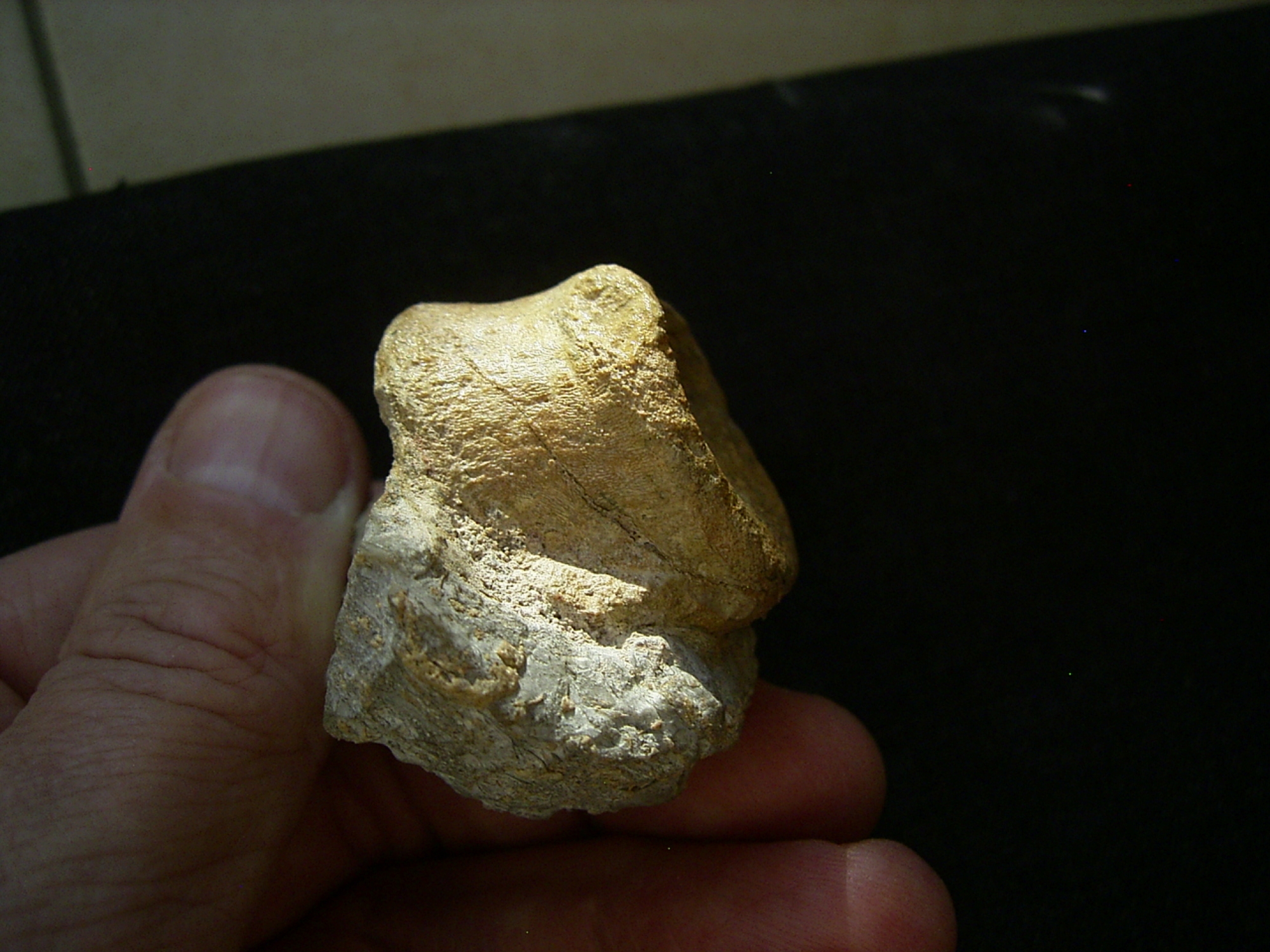
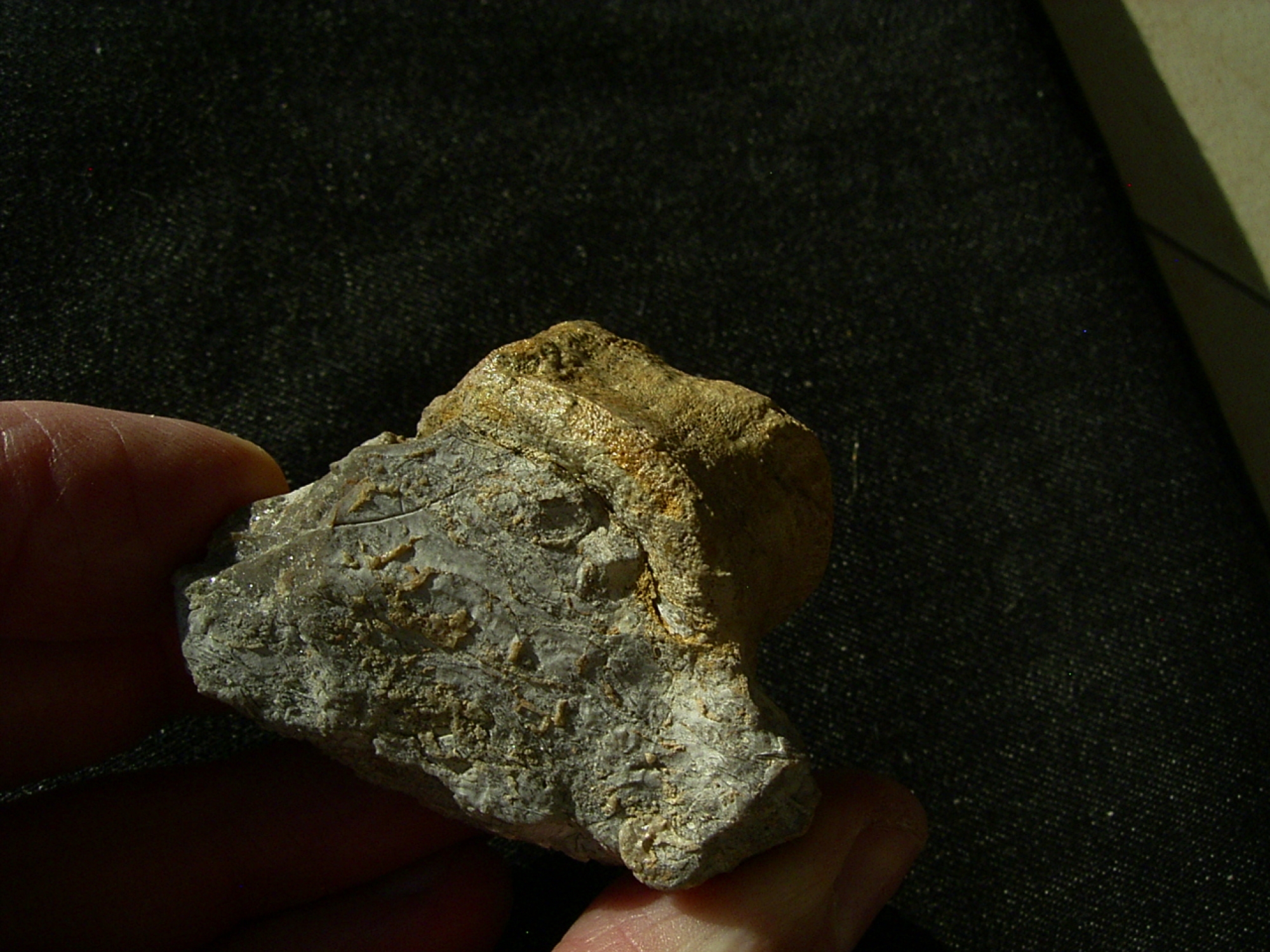
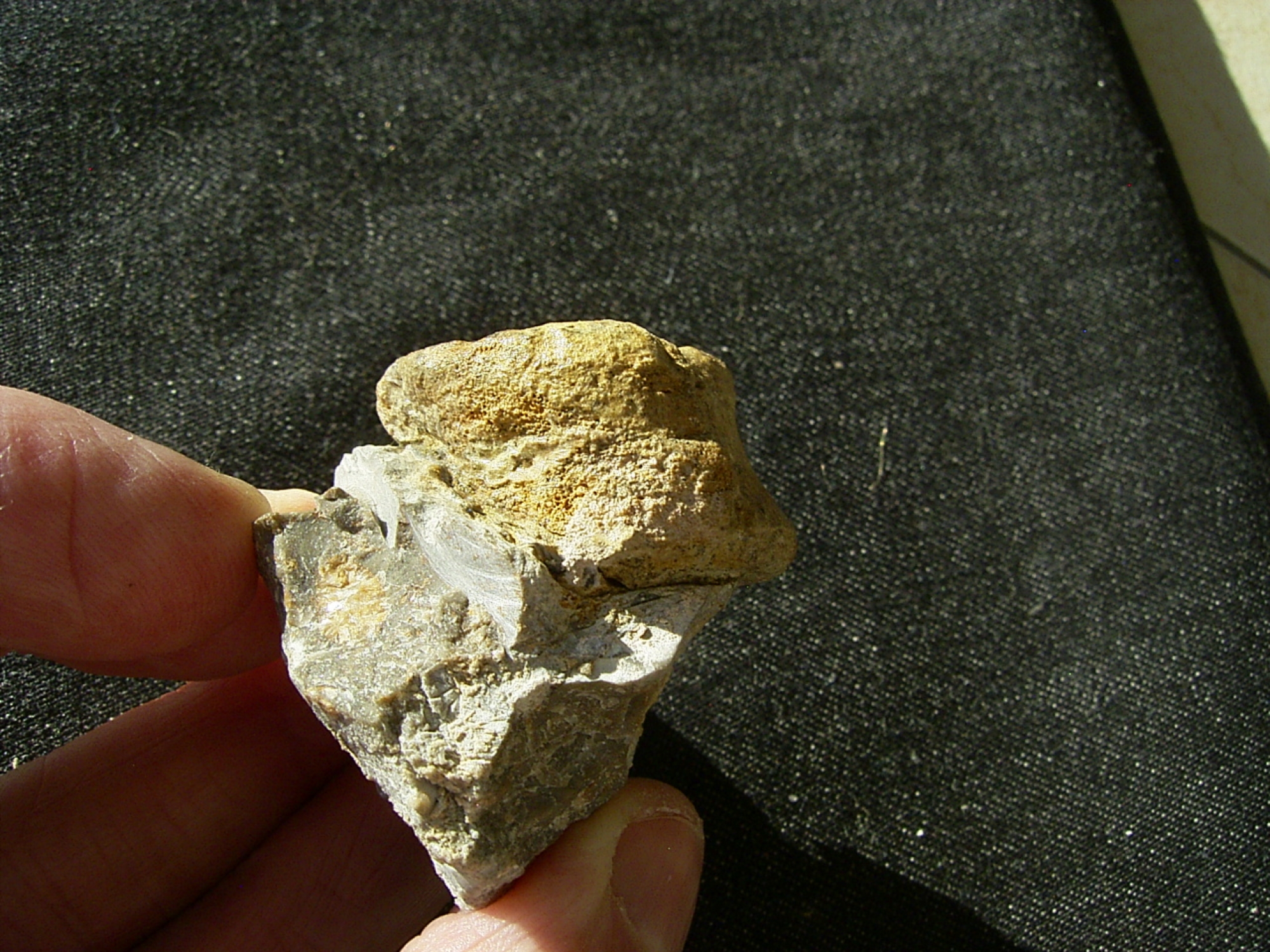
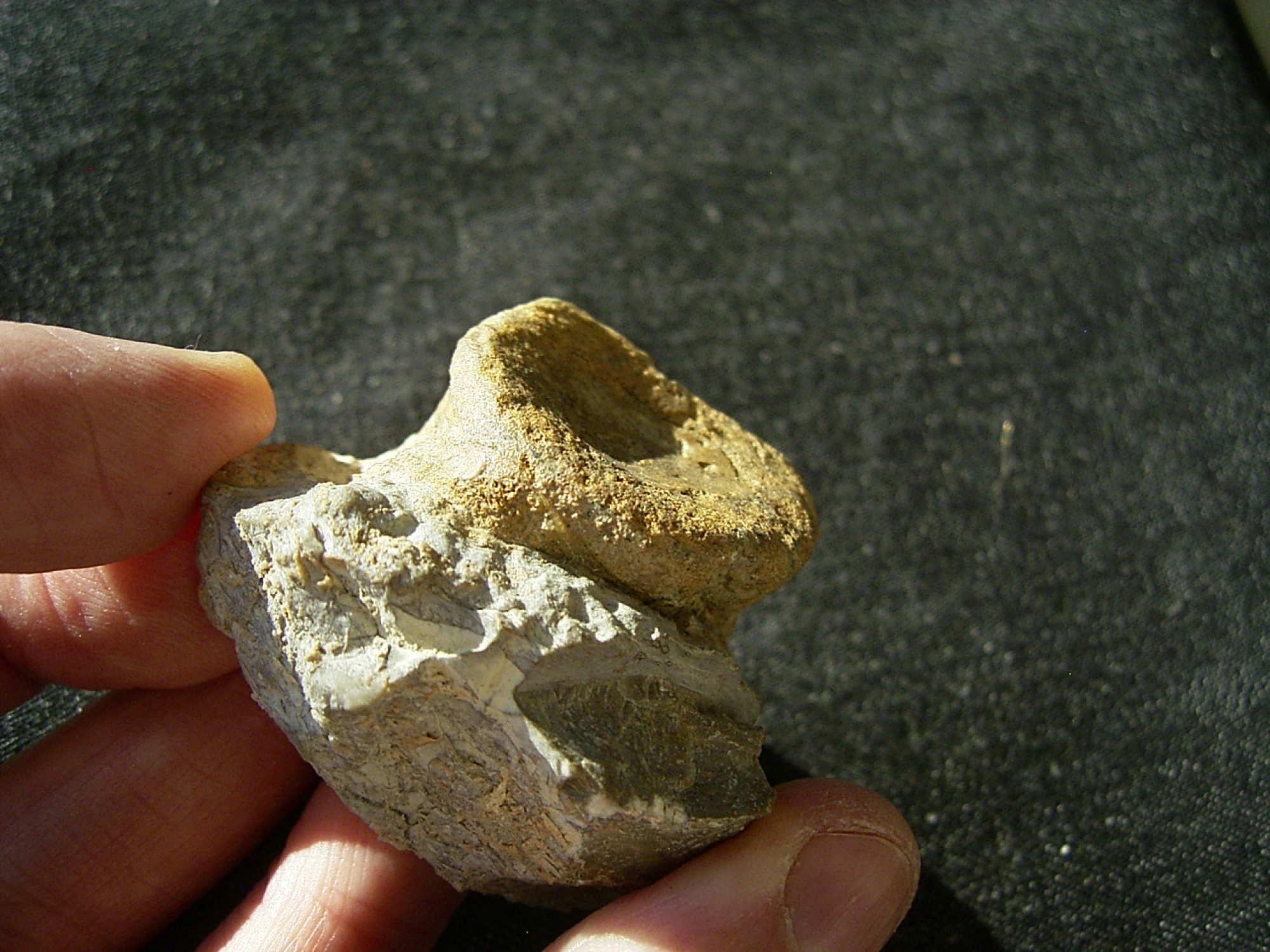
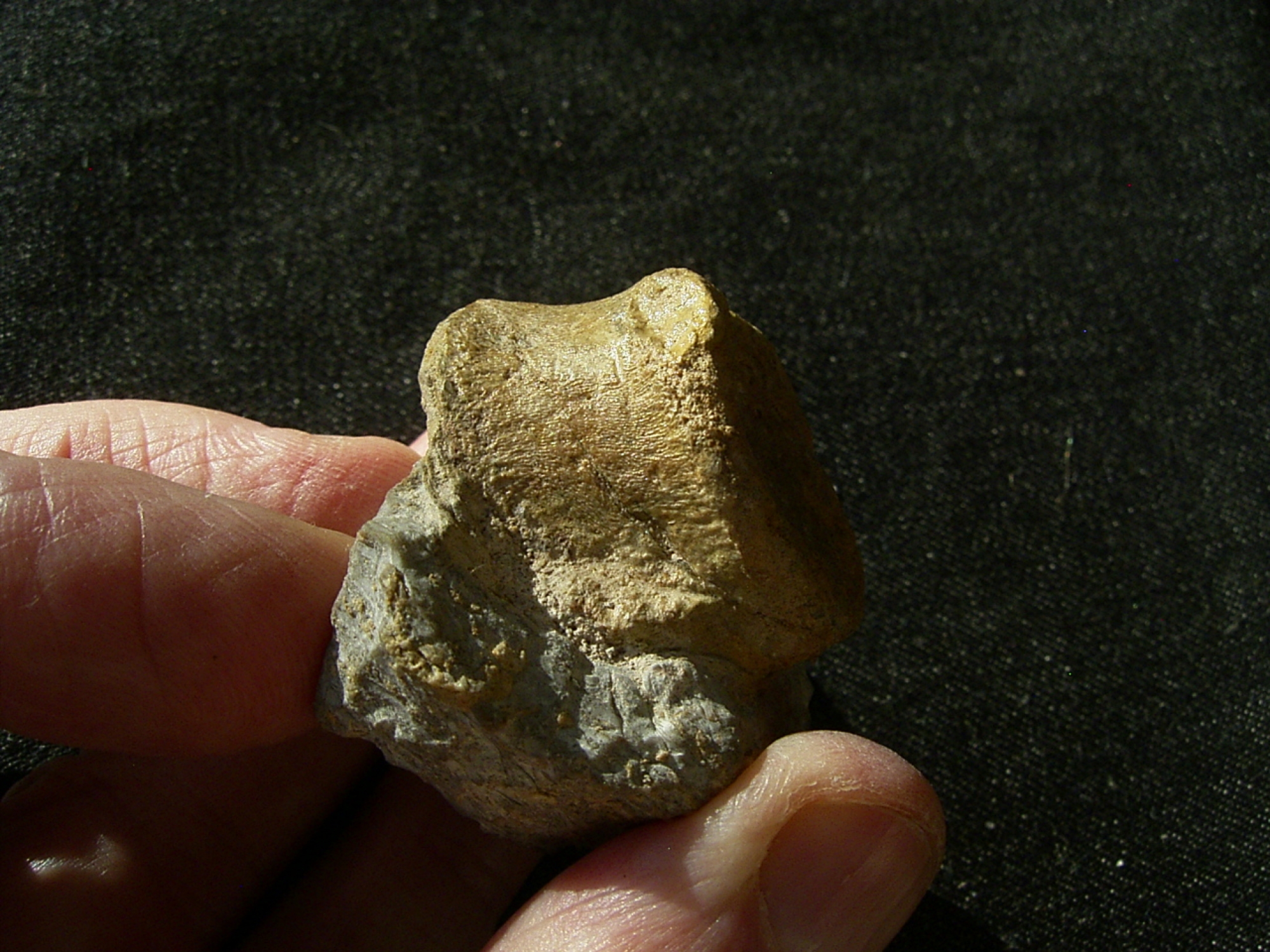
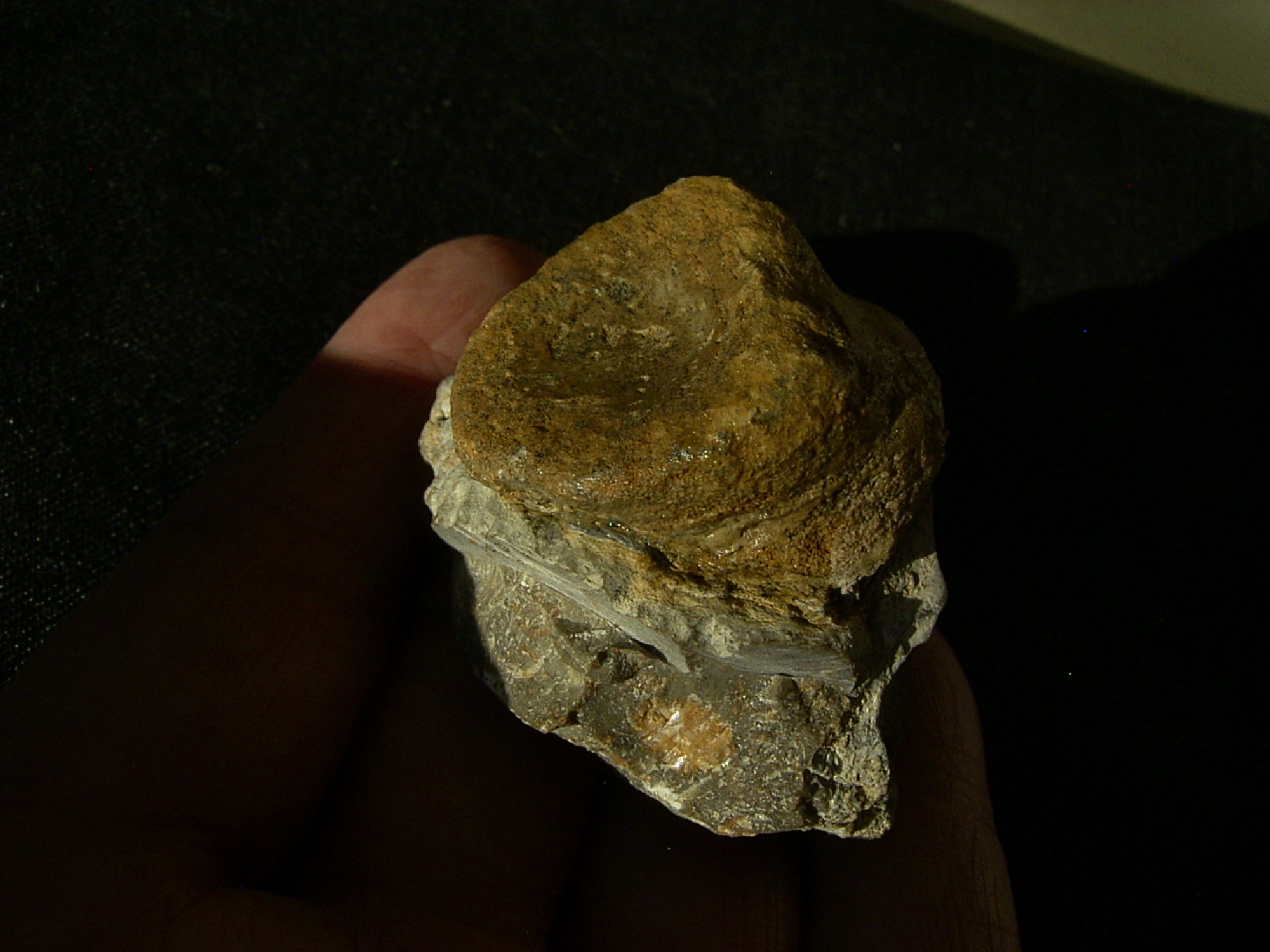
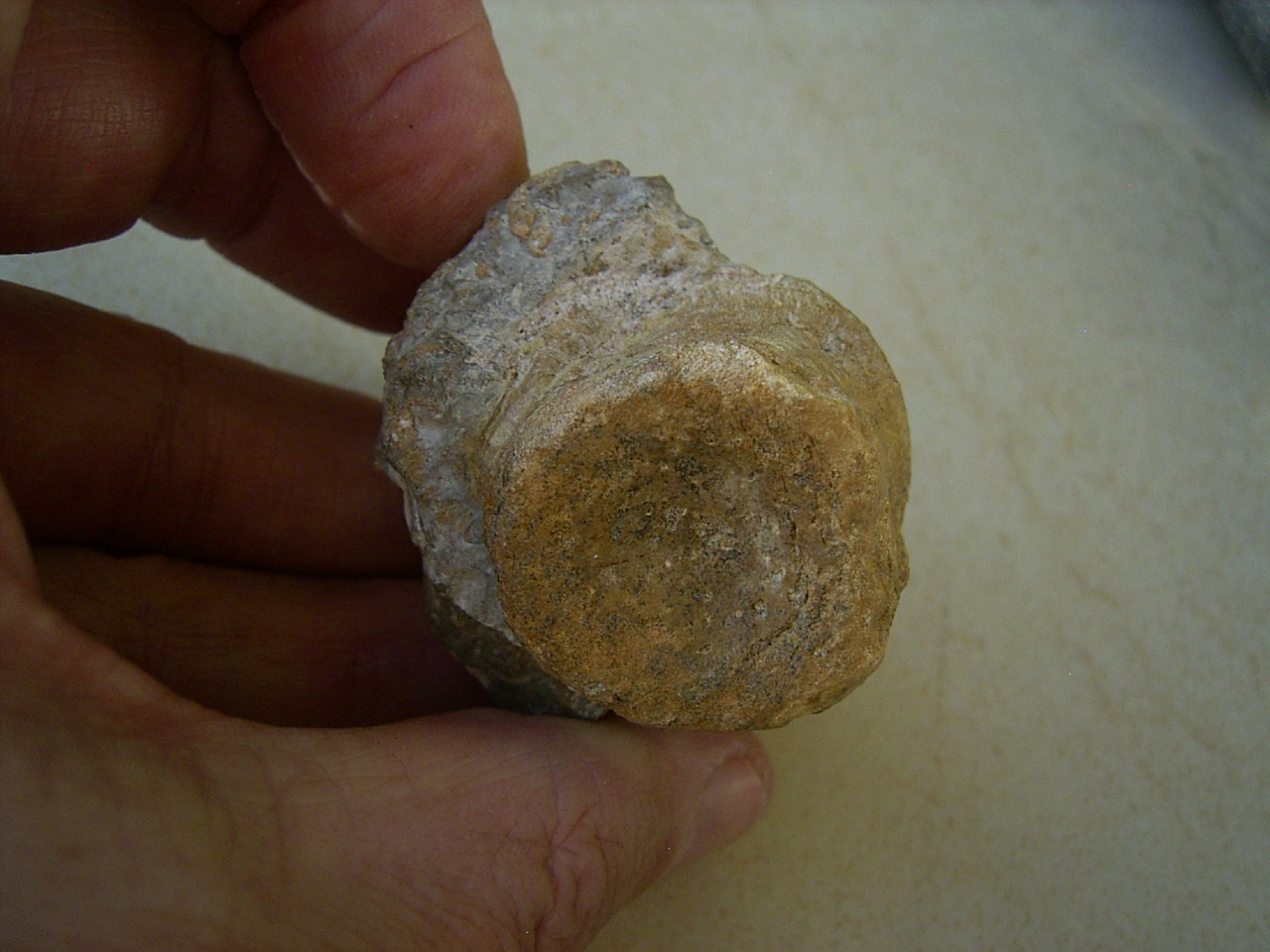
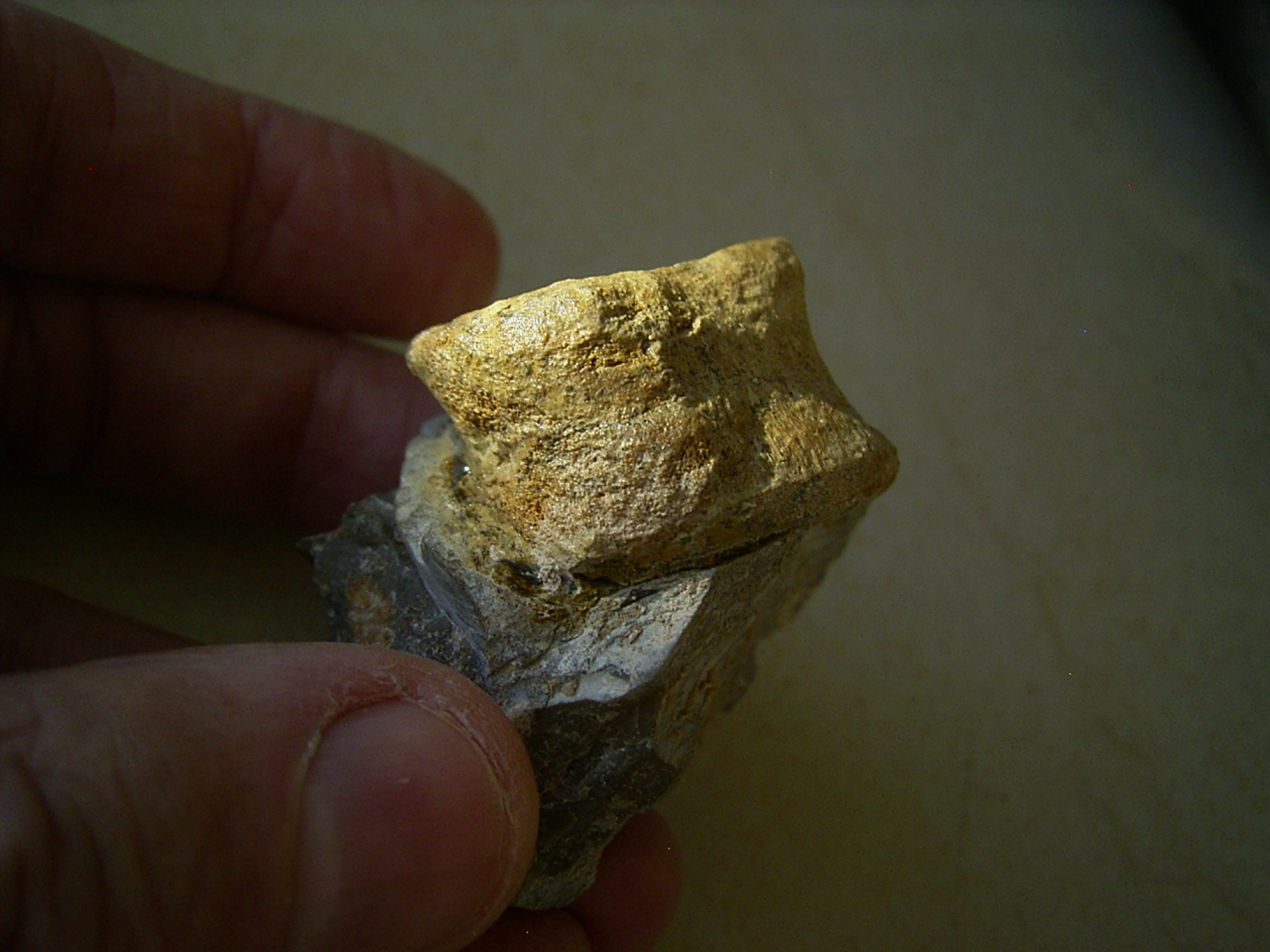
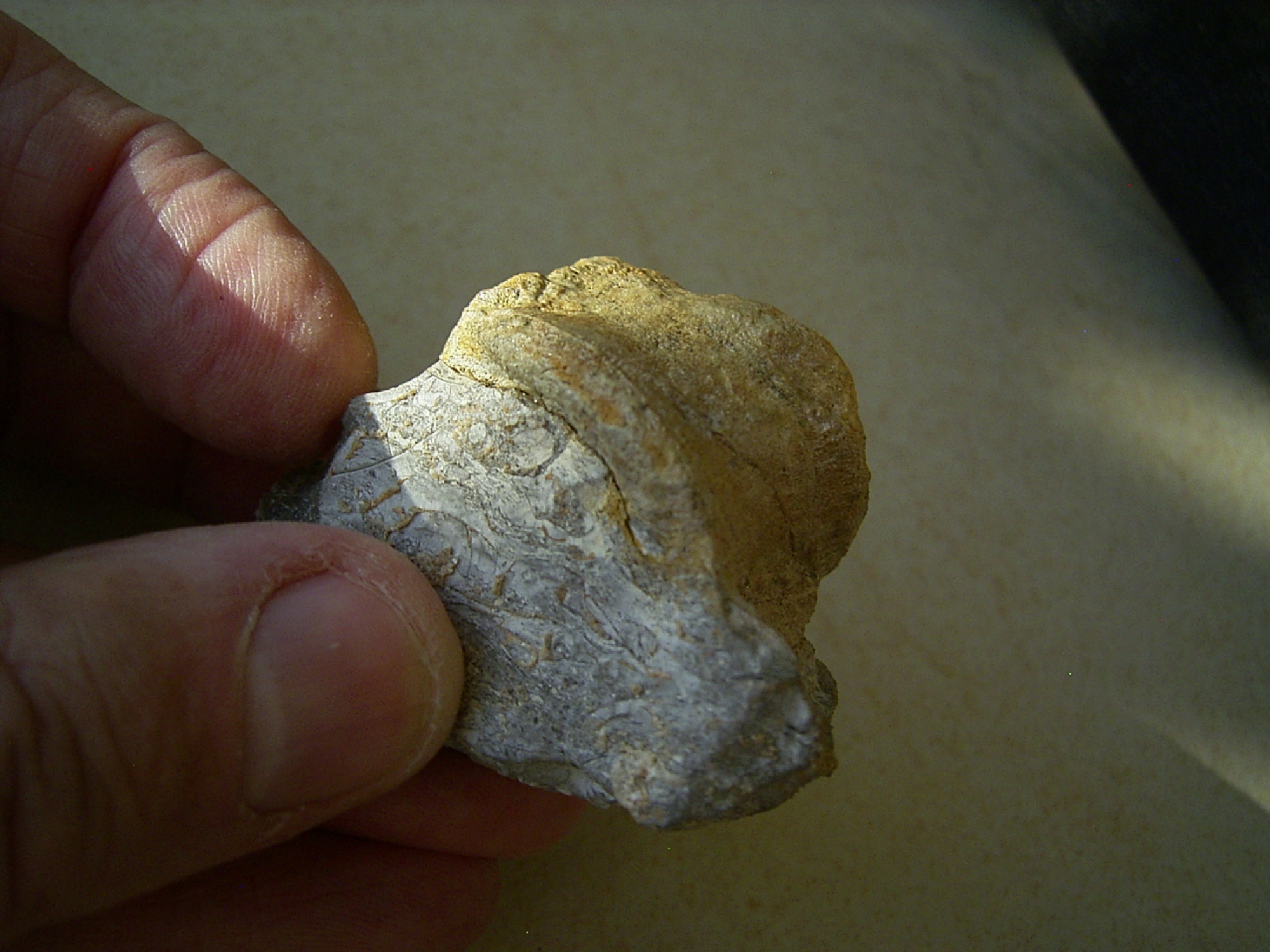
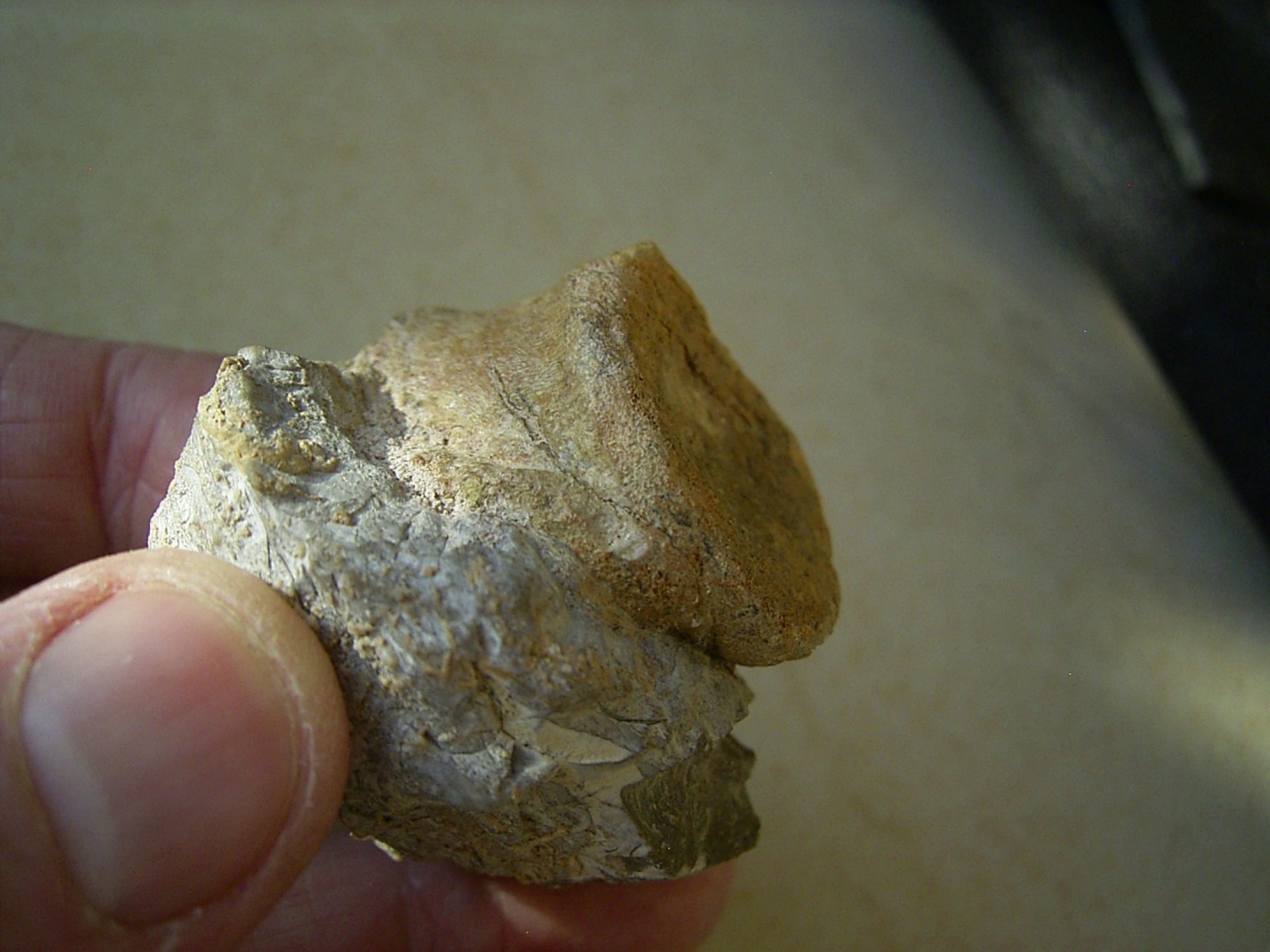
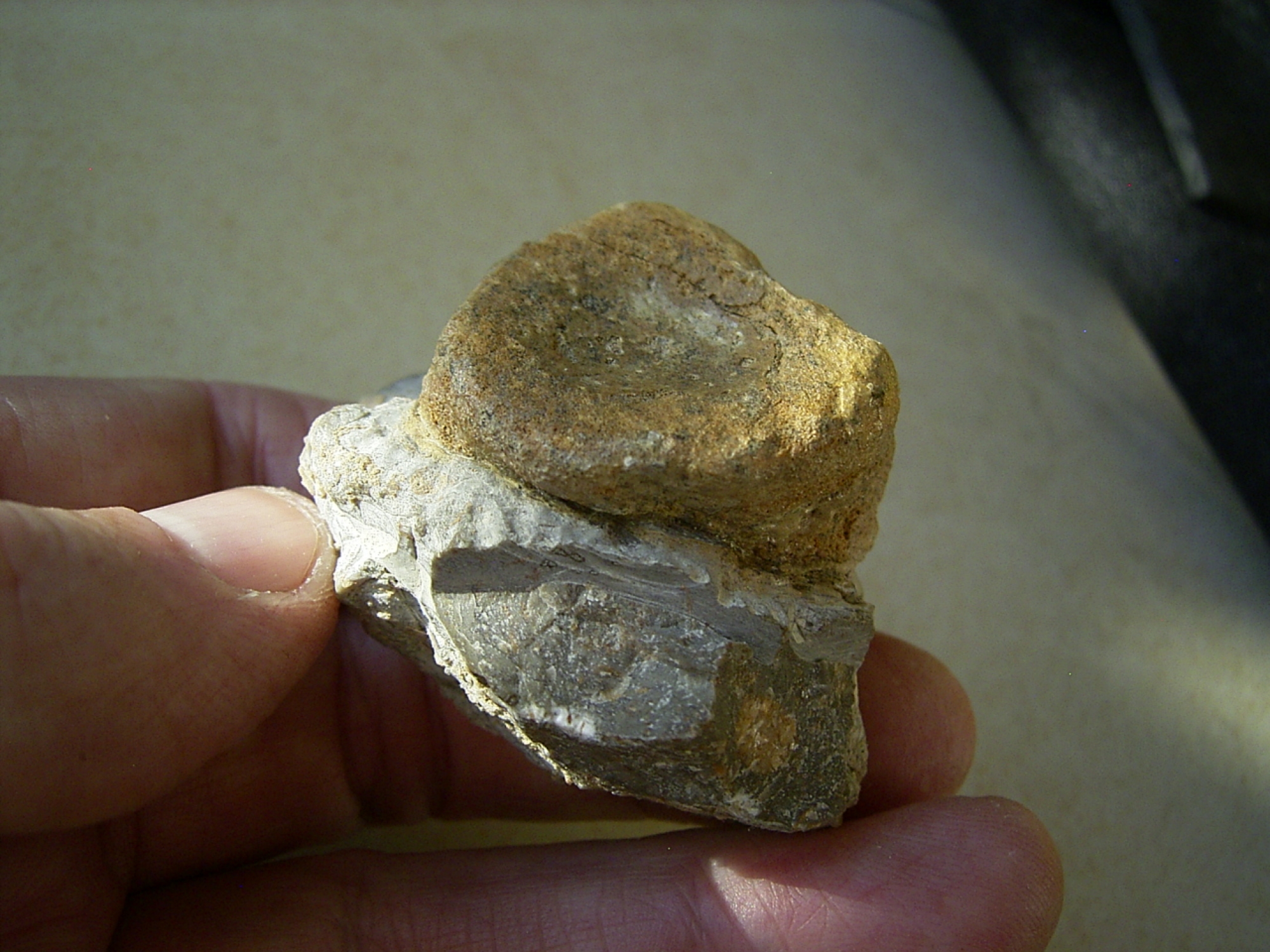
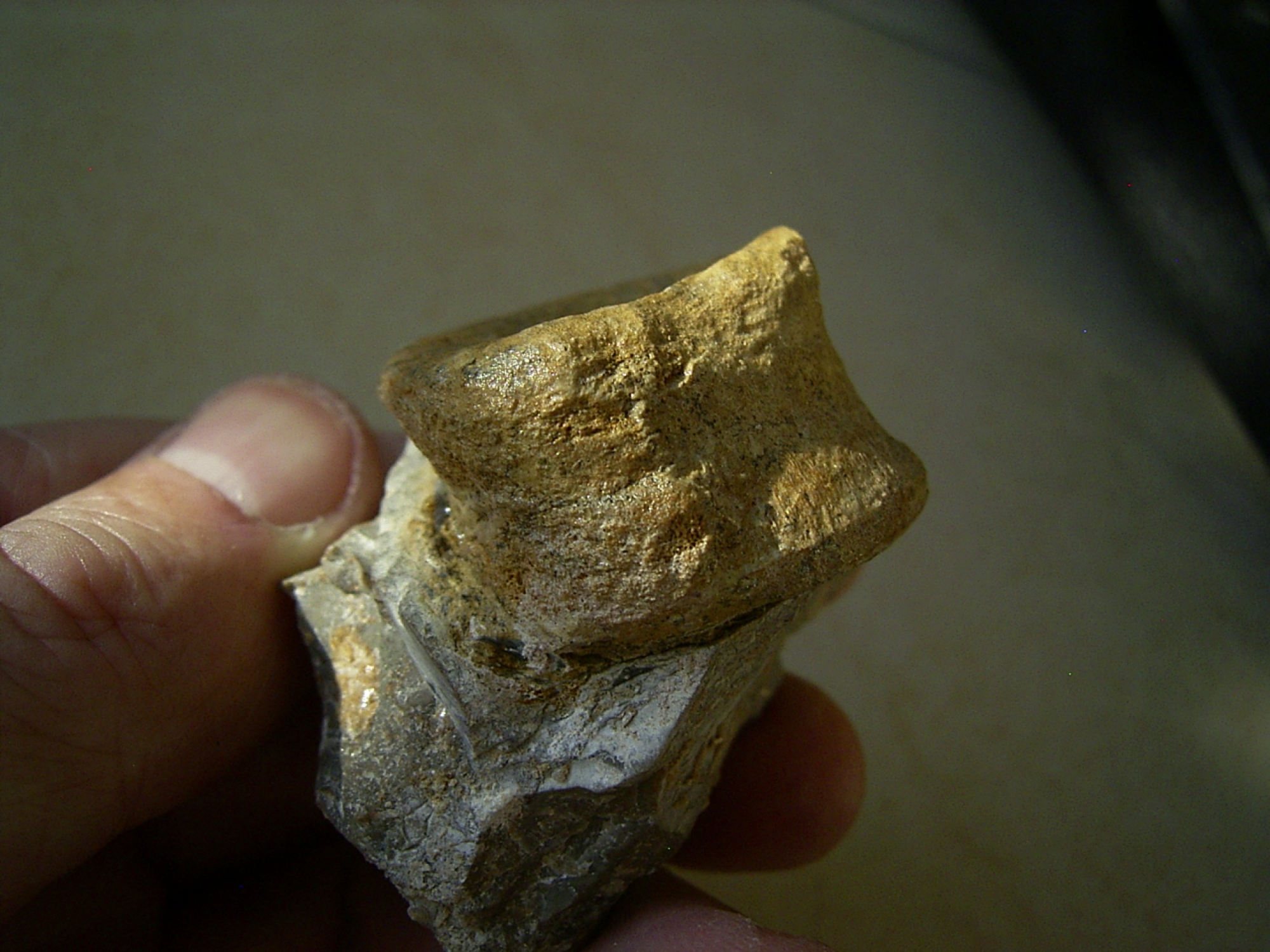
This Blezingeria vertebra comes from the famous Upper Muschelkalk (Middle Triassic) strata of Berlichingen in Germany.
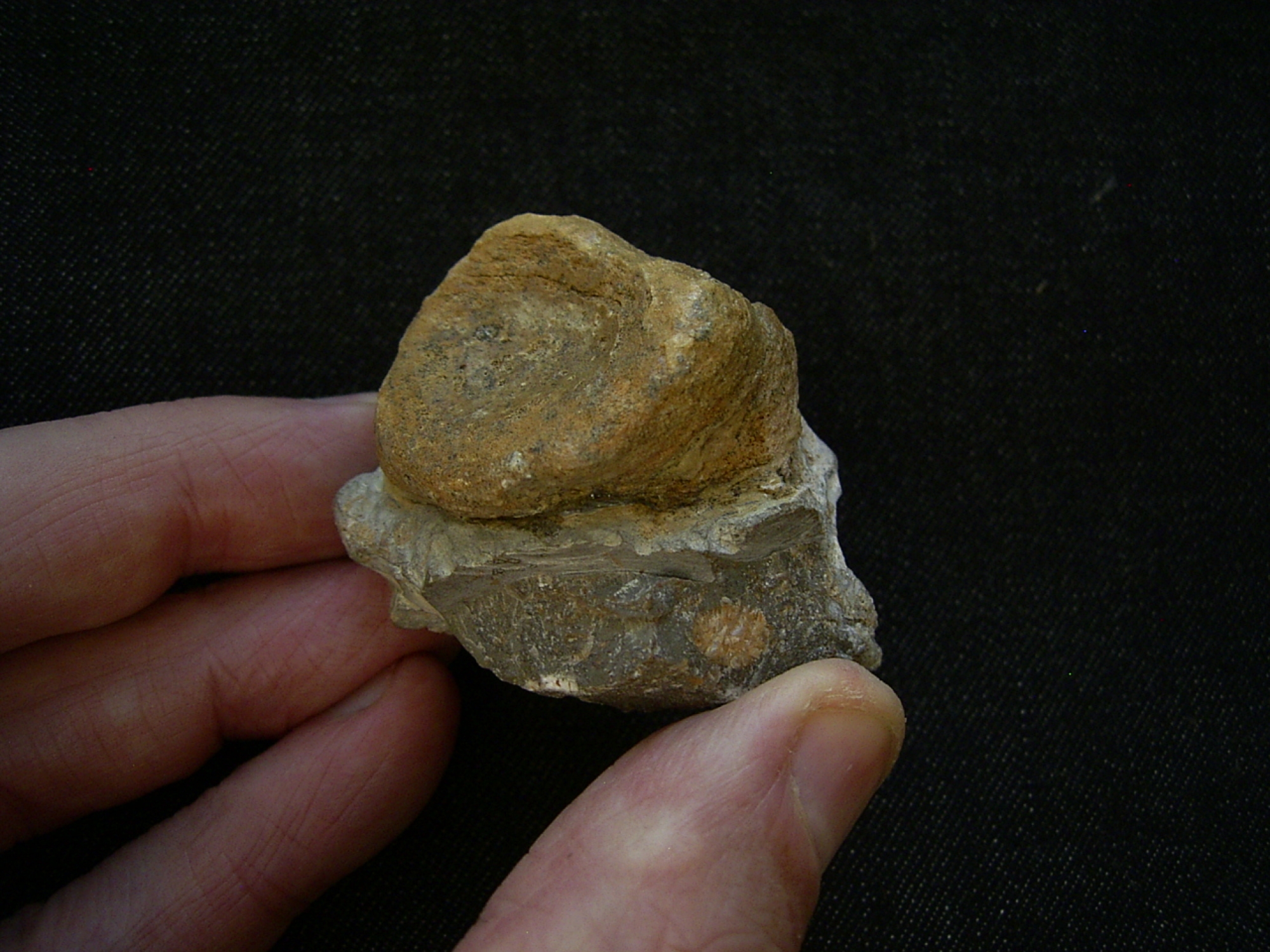
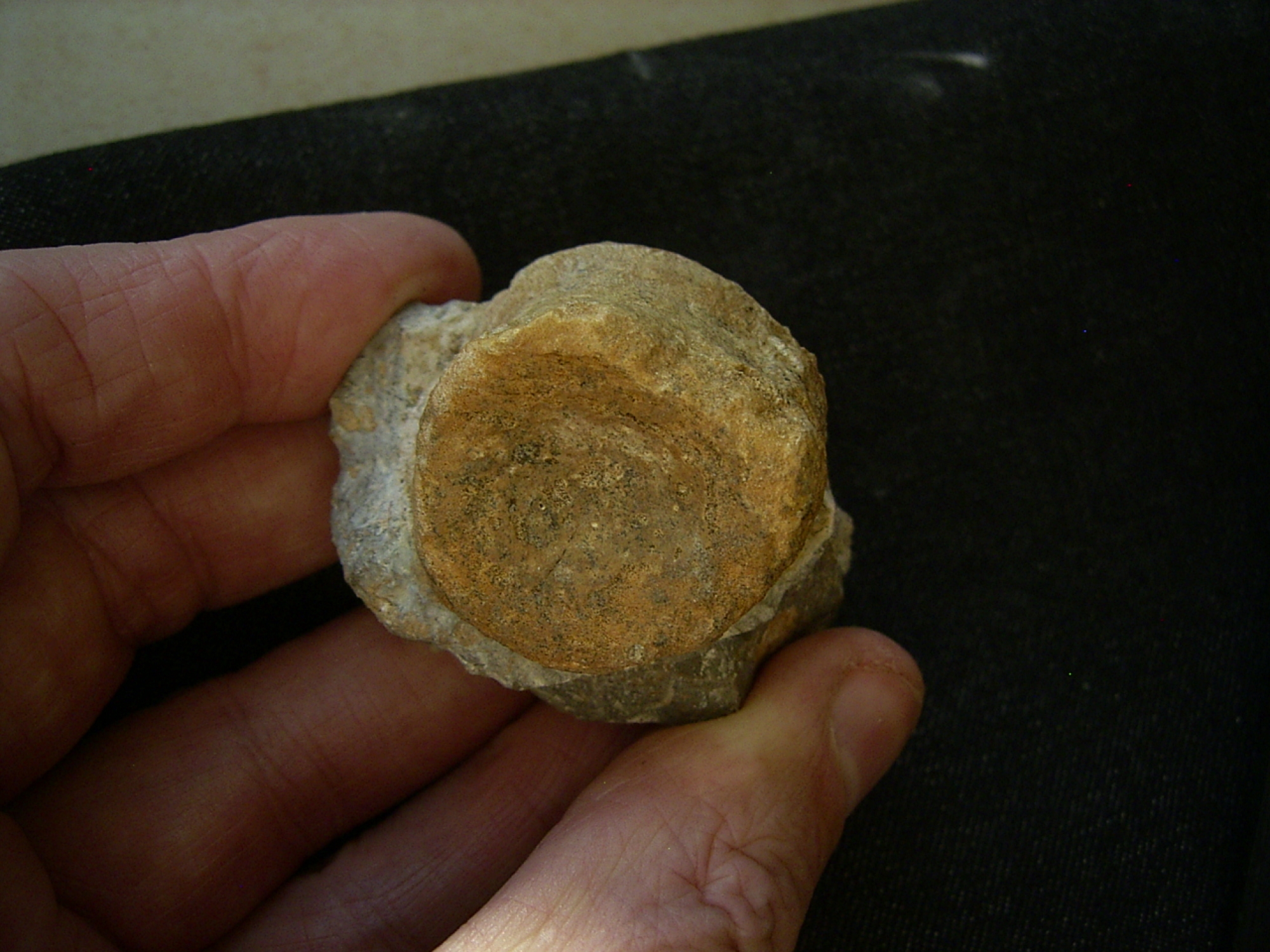
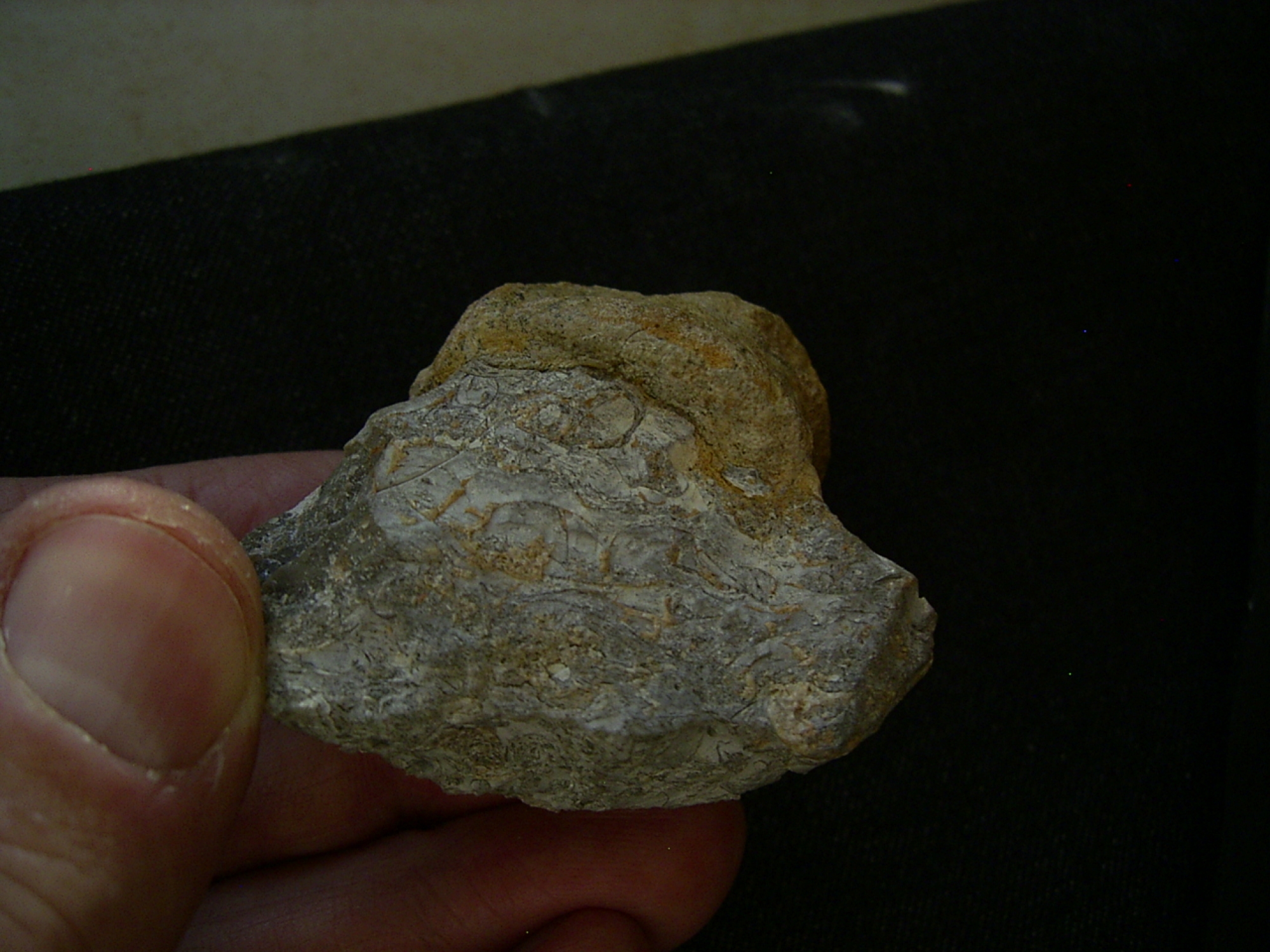
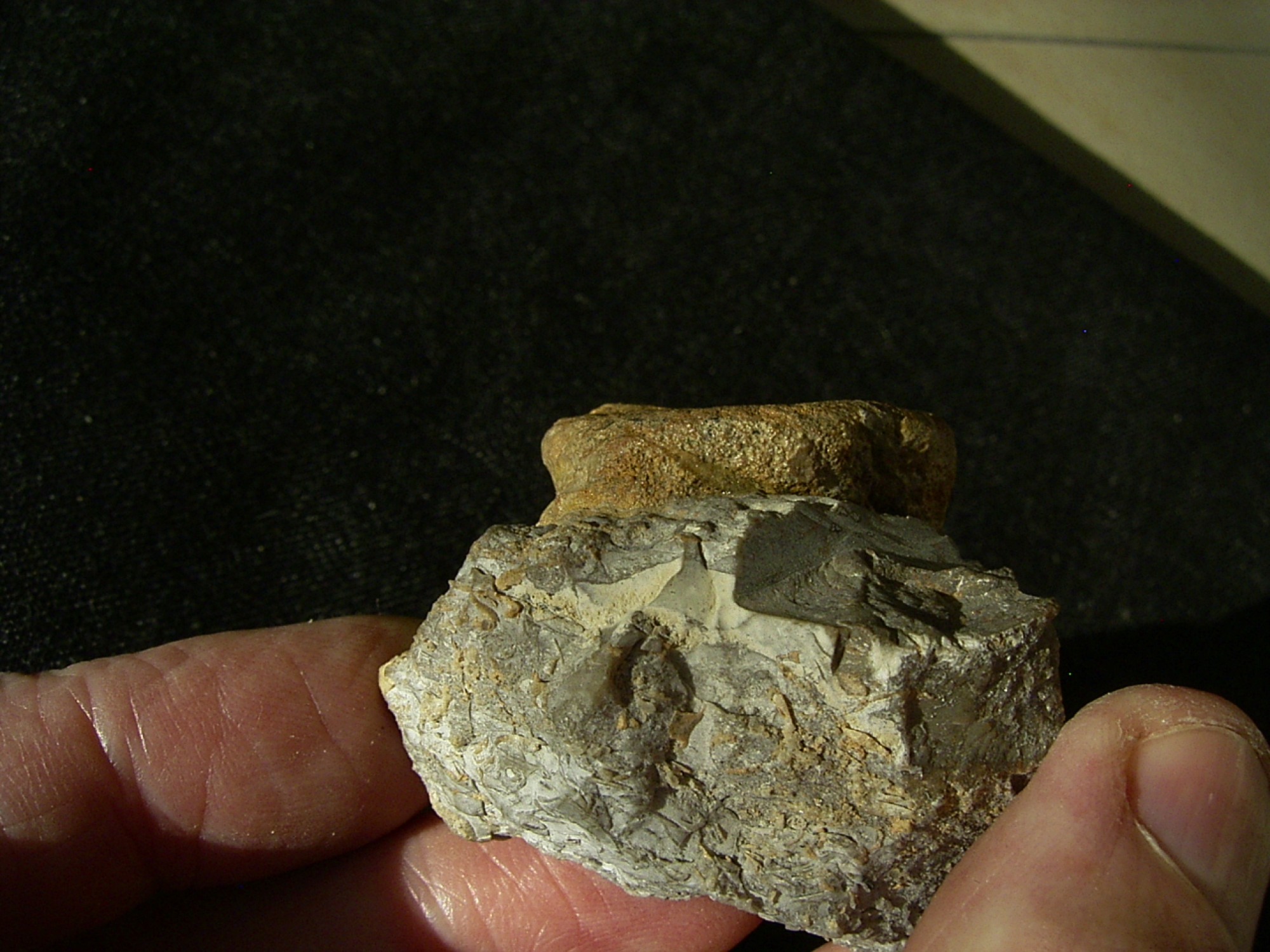
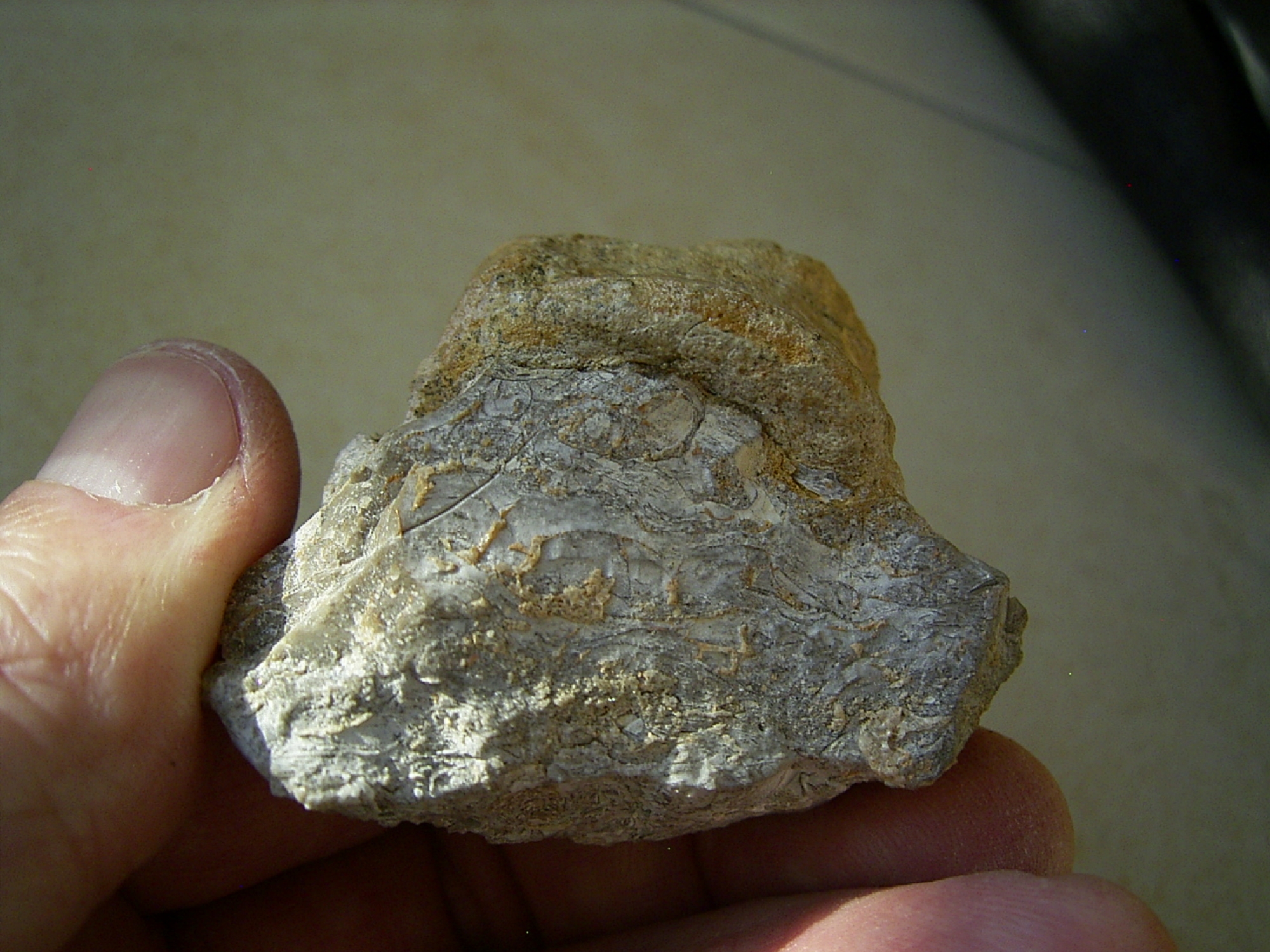
The fossil is completely preserved and well-prepared, still attached to a piece of the original rock.
The vertebra measures approximately 3 x 2 cm. With matrix, the specimen measures approximately 5 x 4 x 4 cm.
The fossil comes from an old collection. According to the accompanying label, it was found on September 20, 1992.
Extinct locality, rarely offered species, no manipulation whatsoever!
Blezingeria was a marine eosuchian (an early marine reptile) from the Triassic period, specifically from the Muschelkalk.
The mystery: Until now, almost exclusively vertebrae have been discovered. A complete skull or skeleton is still missing,
is why its exact appearance remains a mystery.
Relationships: It is thought to be similar to Askeptosaurus and is often classified as a thalattosaur.
Interesting discovery site and naming:
The discovery of Blezingeria (and other reptiles) in Berlichingen is closely linked to the region's former quarrying operations.
In the 19th and early 20th centuries, the hard Trochitenkalk limestone (Upper Muschelkalk) was intensively mined there.
Here are the specific circumstances of the discovery:
The Berlichingen Nothosaurus: One of the most spectacular finds is an almost complete skeleton of Nothosaurus juvenilis,
discovered in the layers of the basal Upper Muschelkalk. It is considered one of the best-preserved specimens of its kind.
The role of Dr. Blezinger: The namesake, Richard Blezinger, a pharmacist from Crailsheim, was a passionate fossil collector.
He maintained close contact with the quarry workers in Berlichingen. These quarrymen secured distinctive bone finds for a small
tip before they were crushed in the gravel plant.
Stratigraphy (found layer): The fossils mostly originate from the Trochitenkalk Formation (mo1). The reptile layers at the base of
the Upper Muschelkalk were particularly rich in fossils.
Condition of the finds: In contrast to the often complete skeletons from the Lettenkeuper (overlying layer), marine reptiles in the
Muschelkalk of Berlichingen mostly occur as disarticulates (disintegrated individual bones). This suggests that the carcasses
disintegrated in shallow, turbulent water before being embedded.
Notable finds: In addition to Blezingeria, vertebrae and teeth of Nothosaurus, as well as pavement teeth of Placodus (a type of reptile),
were discovered here, often embedded in hard limestone beds.
Today, many of these classic quarries in and around Berlichingen are abandoned or overgrown. The most important original specimens
are now housed in state collections such as the State Museum of Natural History in Stuttgart.
The fossil is completely preserved and well-prepared, still attached to a piece of the original rock.
The vertebra measures approximately 3 x 2 cm. With matrix, the specimen measures approximately 5 x 4 x 4 cm.
The fossil comes from an old collection. According to the accompanying label, it was found on September 20, 1992.
Extinct locality, rarely offered species, no manipulation whatsoever!
Blezingeria was a marine eosuchian (an early marine reptile) from the Triassic period, specifically from the Muschelkalk.
The mystery: Until now, almost exclusively vertebrae have been discovered. A complete skull or skeleton is still missing,
is why its exact appearance remains a mystery.
Relationships: It is thought to be similar to Askeptosaurus and is often classified as a thalattosaur.
Interesting discovery site and naming:
The discovery of Blezingeria (and other reptiles) in Berlichingen is closely linked to the region's former quarrying operations.
In the 19th and early 20th centuries, the hard Trochitenkalk limestone (Upper Muschelkalk) was intensively mined there.
Here are the specific circumstances of the discovery:
The Berlichingen Nothosaurus: One of the most spectacular finds is an almost complete skeleton of Nothosaurus juvenilis,
discovered in the layers of the basal Upper Muschelkalk. It is considered one of the best-preserved specimens of its kind.
The role of Dr. Blezinger: The namesake, Richard Blezinger, a pharmacist from Crailsheim, was a passionate fossil collector.
He maintained close contact with the quarry workers in Berlichingen. These quarrymen secured distinctive bone finds for a small
tip before they were crushed in the gravel plant.
Stratigraphy (found layer): The fossils mostly originate from the Trochitenkalk Formation (mo1). The reptile layers at the base of
the Upper Muschelkalk were particularly rich in fossils.
Condition of the finds: In contrast to the often complete skeletons from the Lettenkeuper (overlying layer), marine reptiles in the
Muschelkalk of Berlichingen mostly occur as disarticulates (disintegrated individual bones). This suggests that the carcasses
disintegrated in shallow, turbulent water before being embedded.
Notable finds: In addition to Blezingeria, vertebrae and teeth of Nothosaurus, as well as pavement teeth of Placodus (a type of reptile),
were discovered here, often embedded in hard limestone beds.
Today, many of these classic quarries in and around Berlichingen are abandoned or overgrown. The most important original specimens
are now housed in state collections such as the State Museum of Natural History in Stuttgart.
Categories
Last viewed: